Room 201.02
Holy Bohemia. Paris was a party
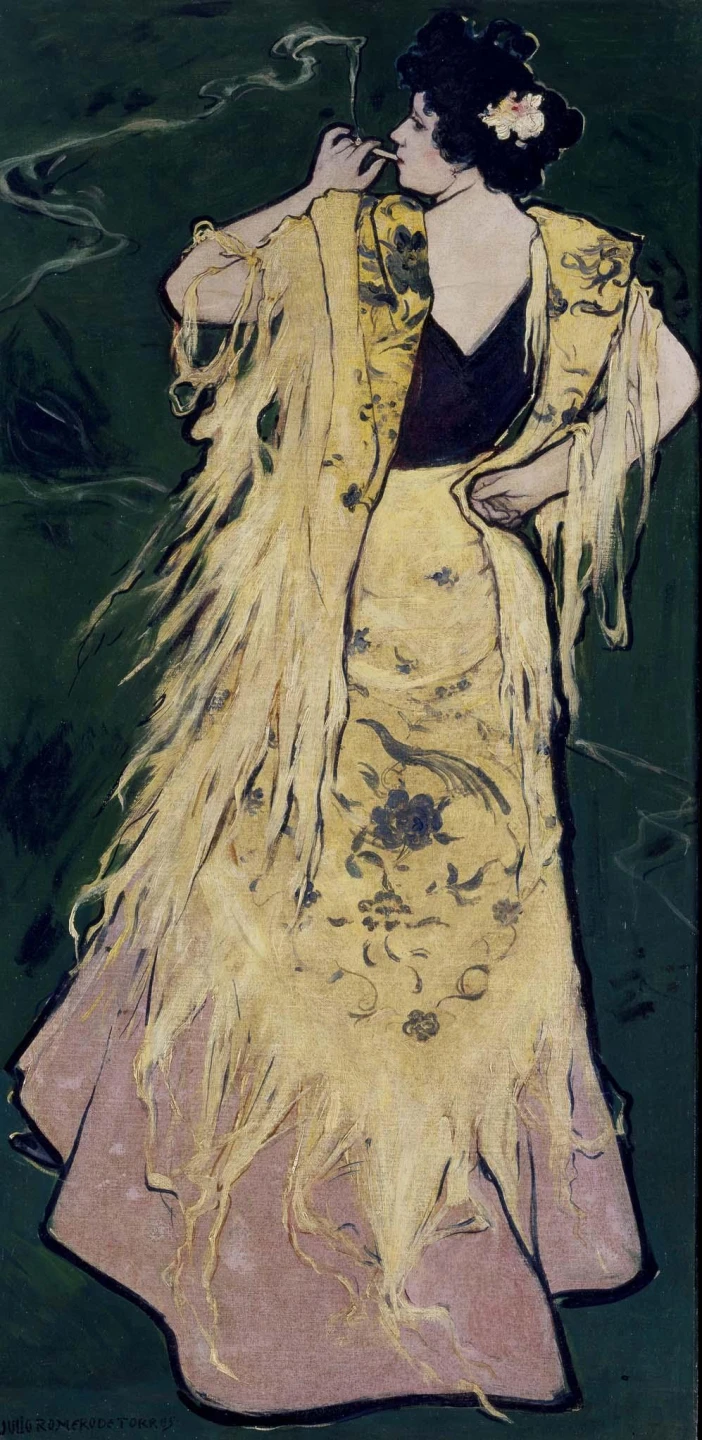
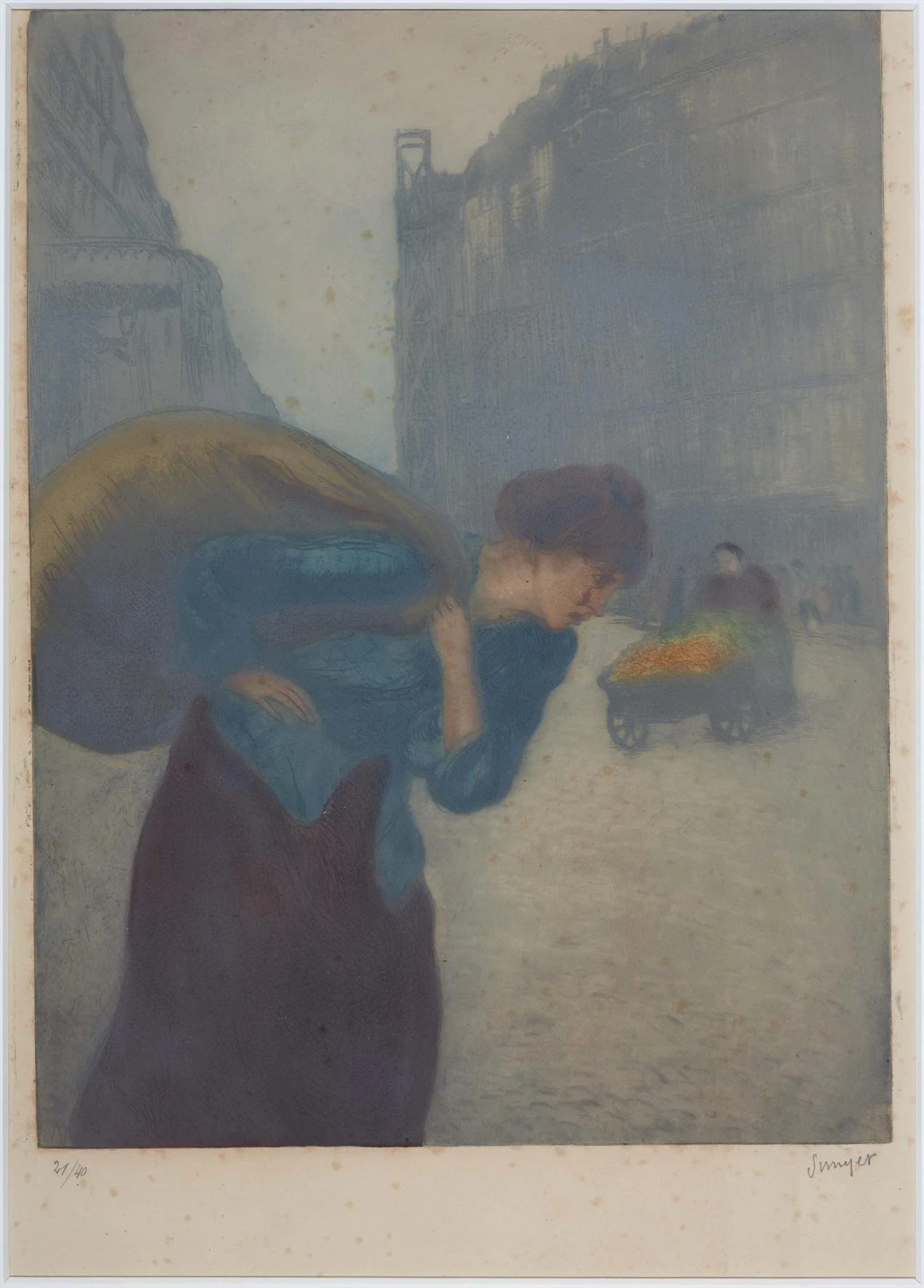
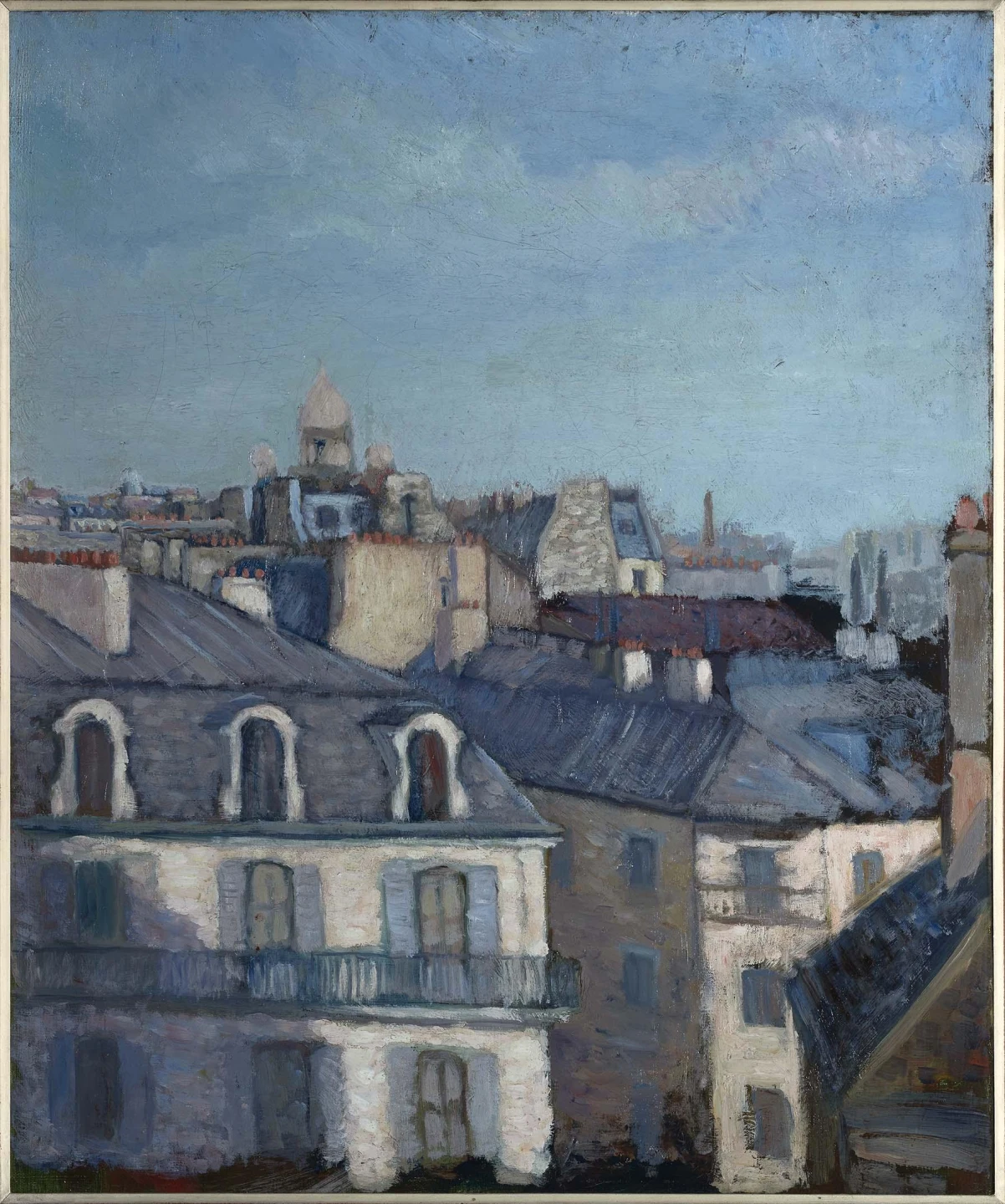
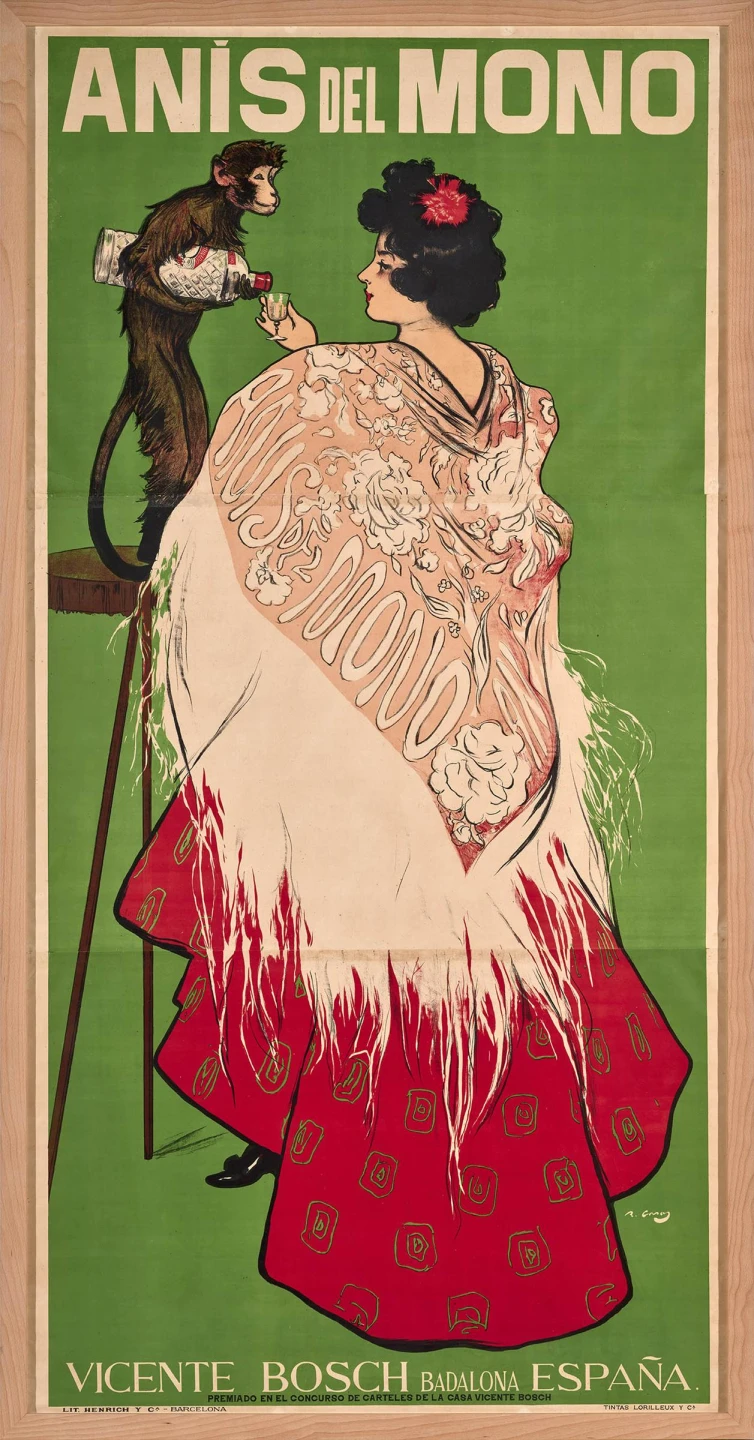
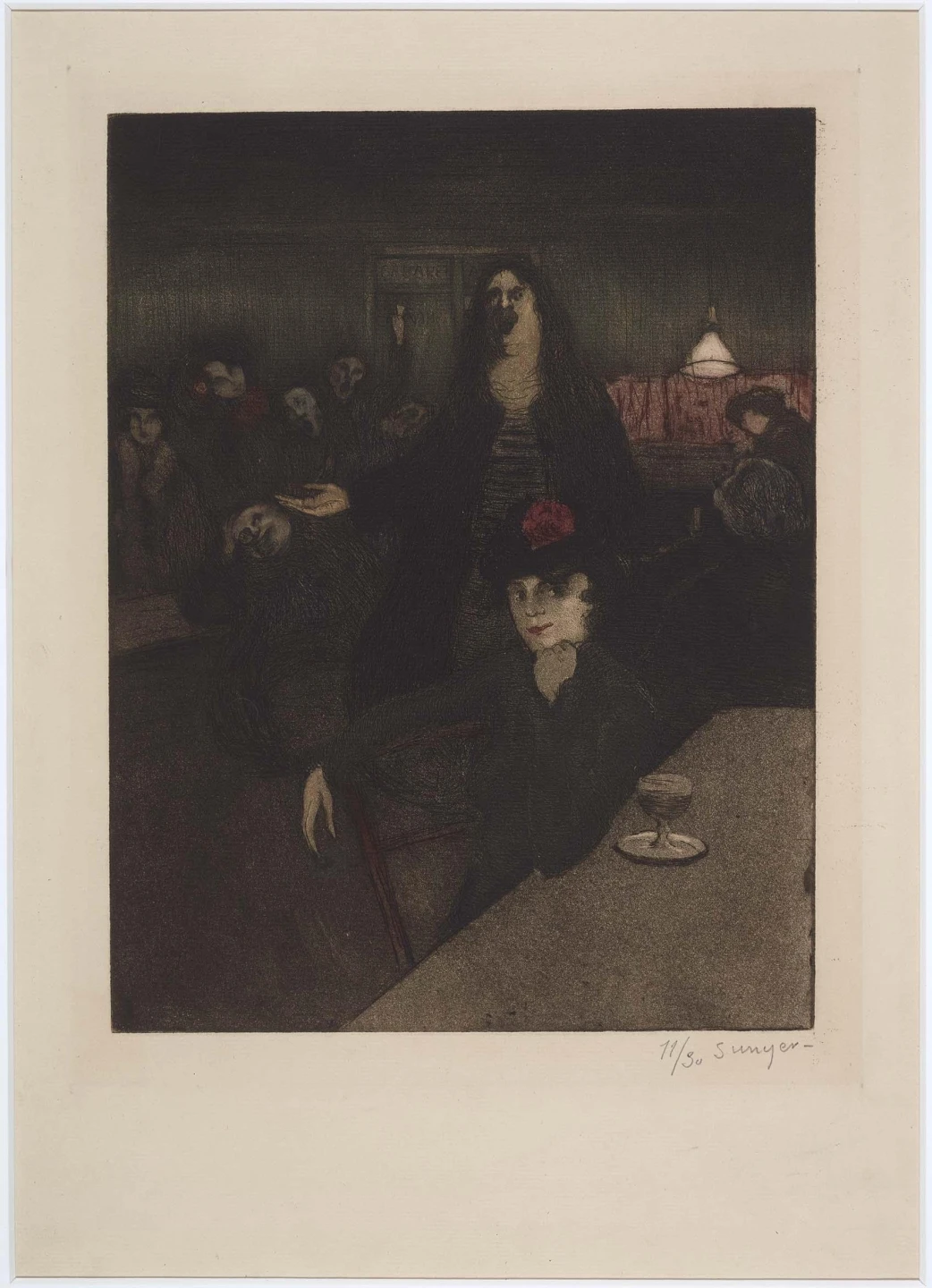
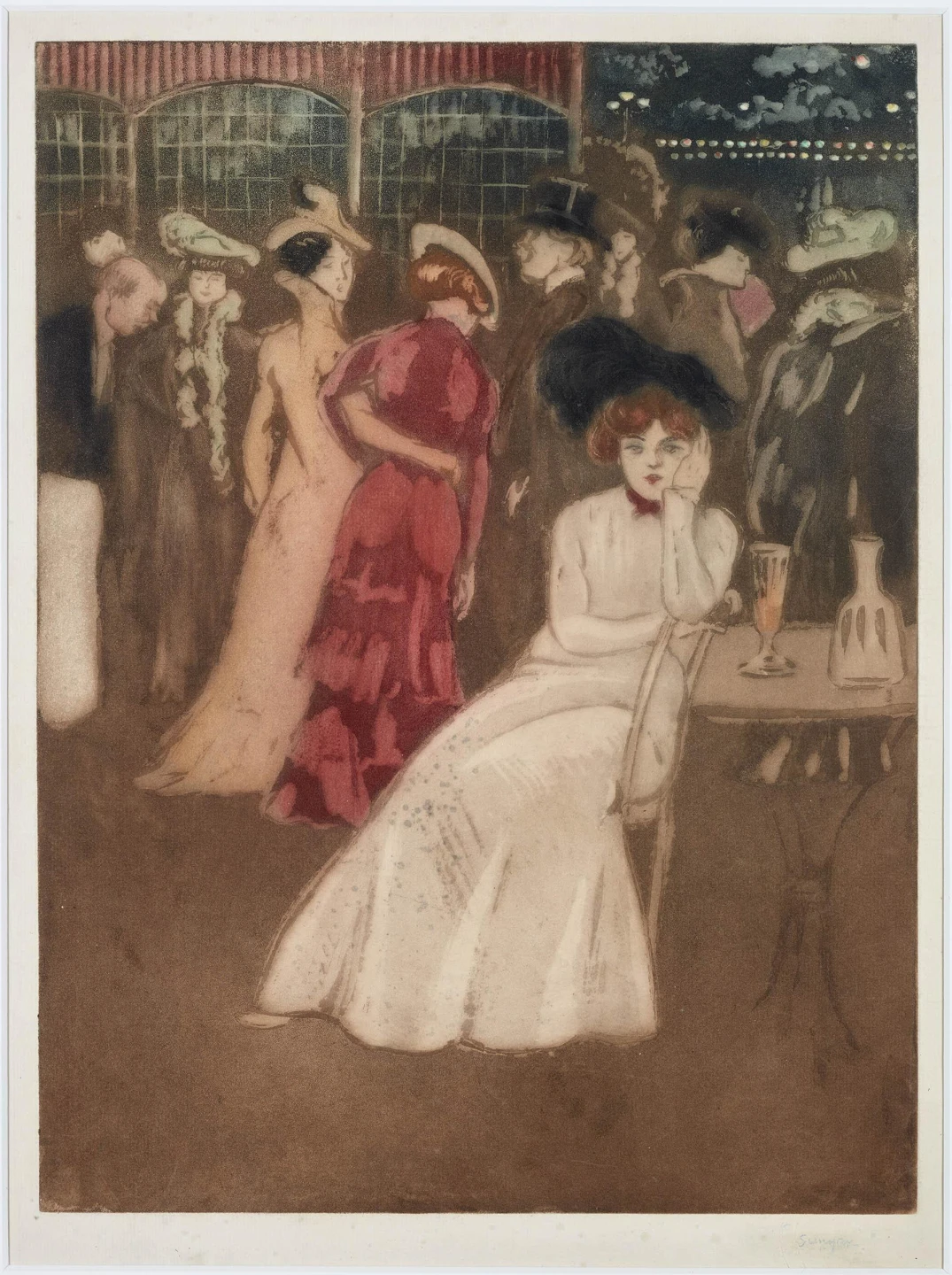
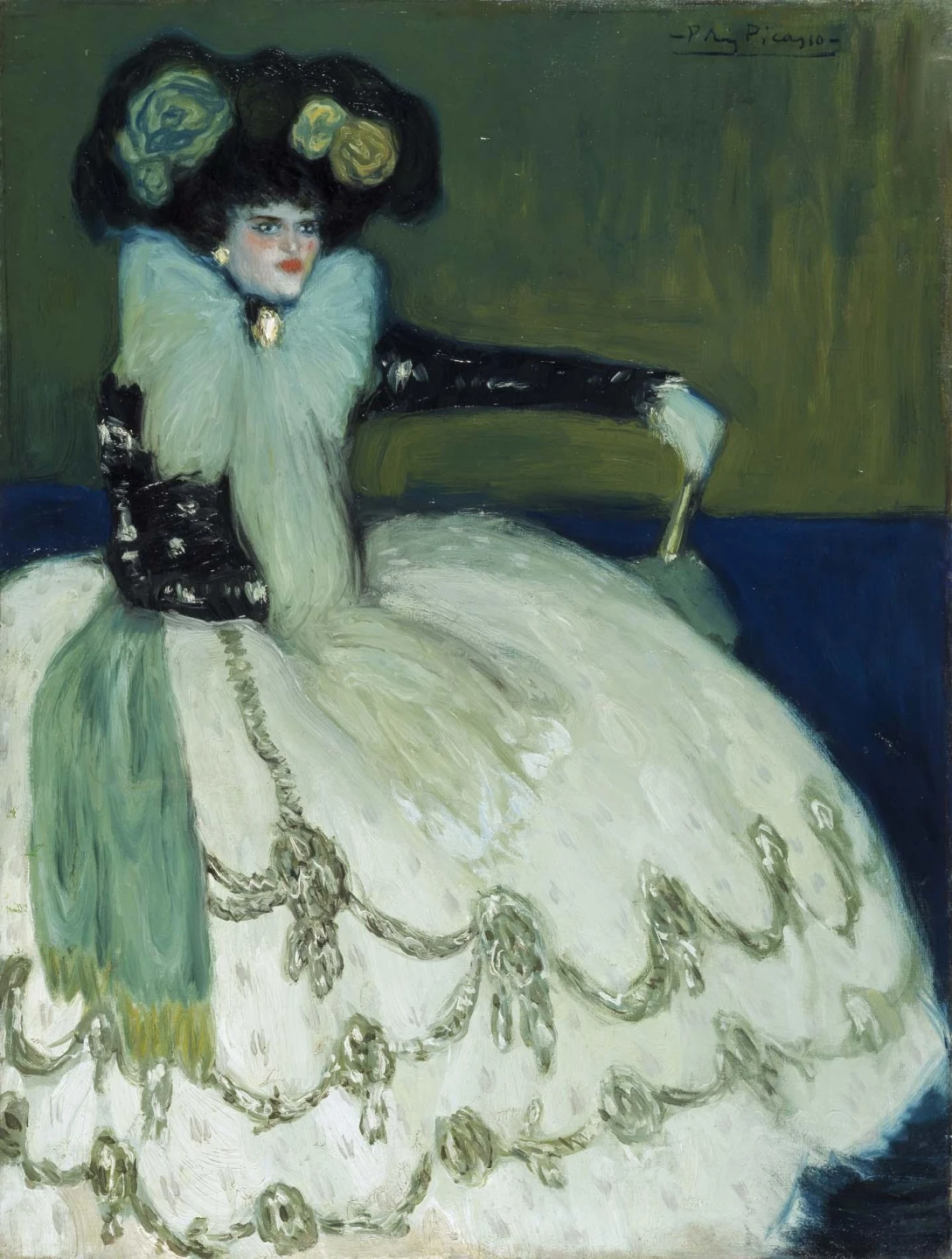
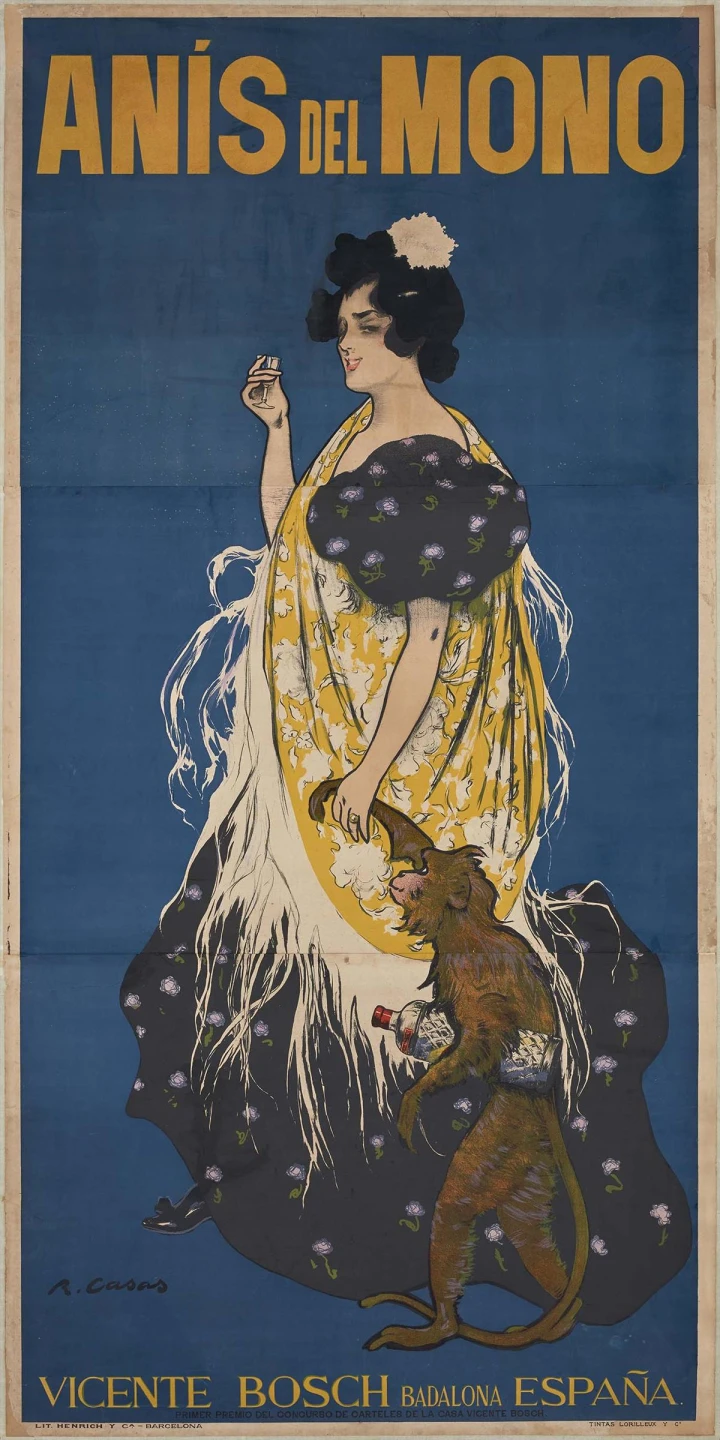
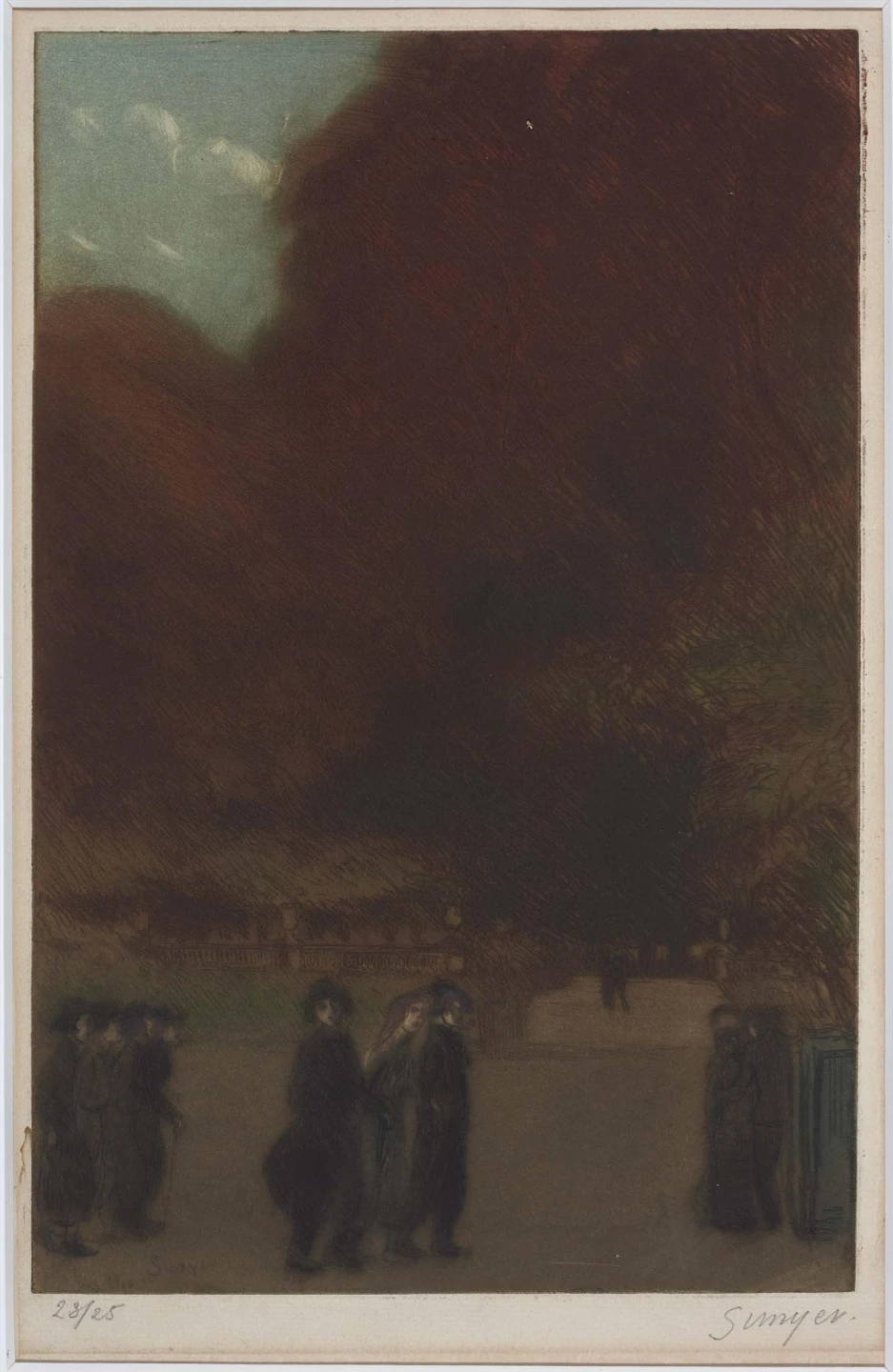
For many Spanish artists, as the nineteenth century made way for the twentieth, going to Paris meant creating distance from their culture of origin, perceived as outmoded and a reminder of a country submerged from 1898 in a deep-seated ideological and spiritual crisis. Yet, paradoxically, these French sojourns demanded from these artists the recovery of themes of Spanishness or the “stereotypically Spanish”, which was enjoying great commercial success in Europe. Although it was a mode of survival prolonging common places, these motifs with folkloric tones would ultimately converge in images conveying a focus on subordination and misery, an unusual compound that coexisted with other images reflecting the migrant’s fascination with this other world — cosmopolitan, sparkling, promising — of the European metropolis.
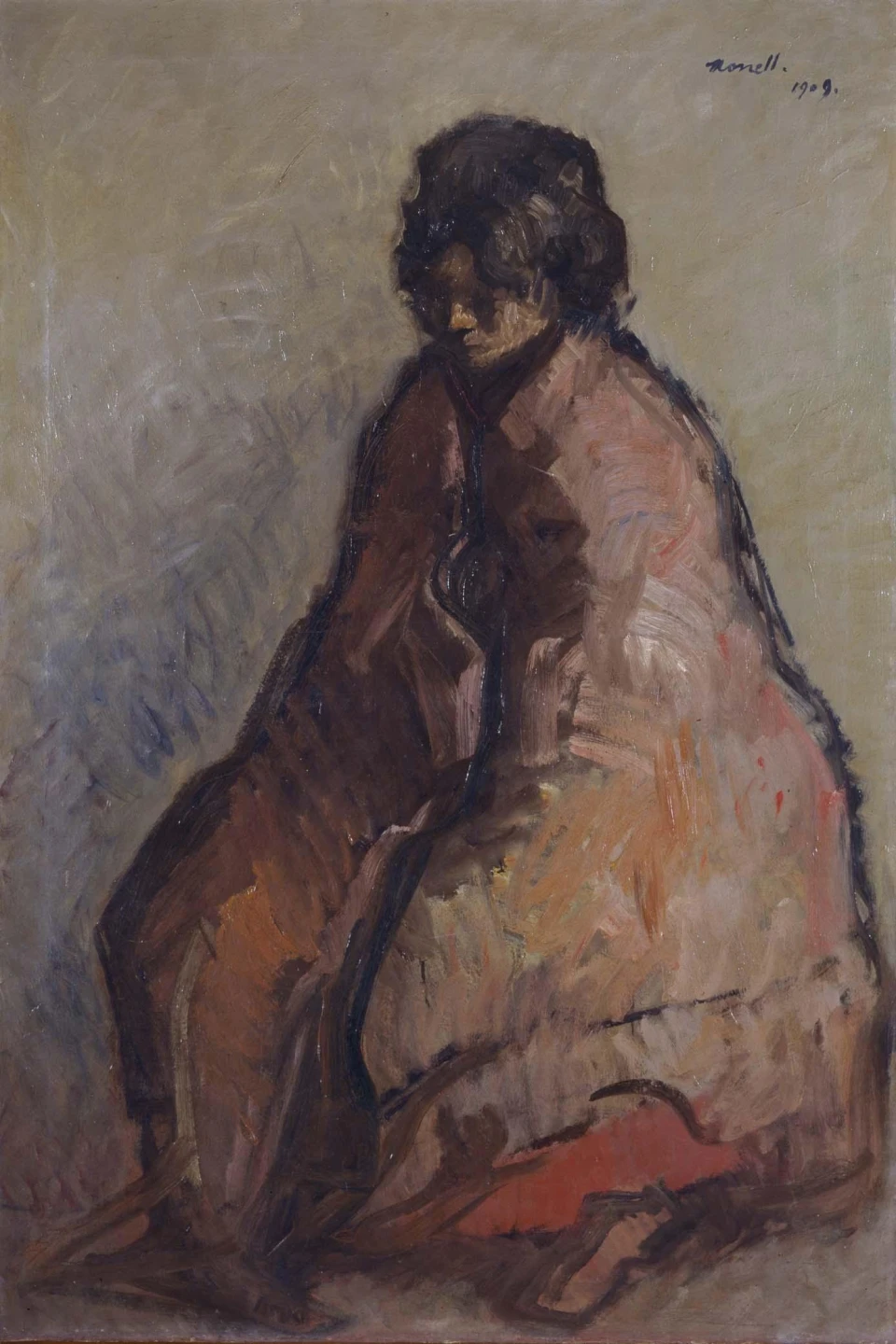
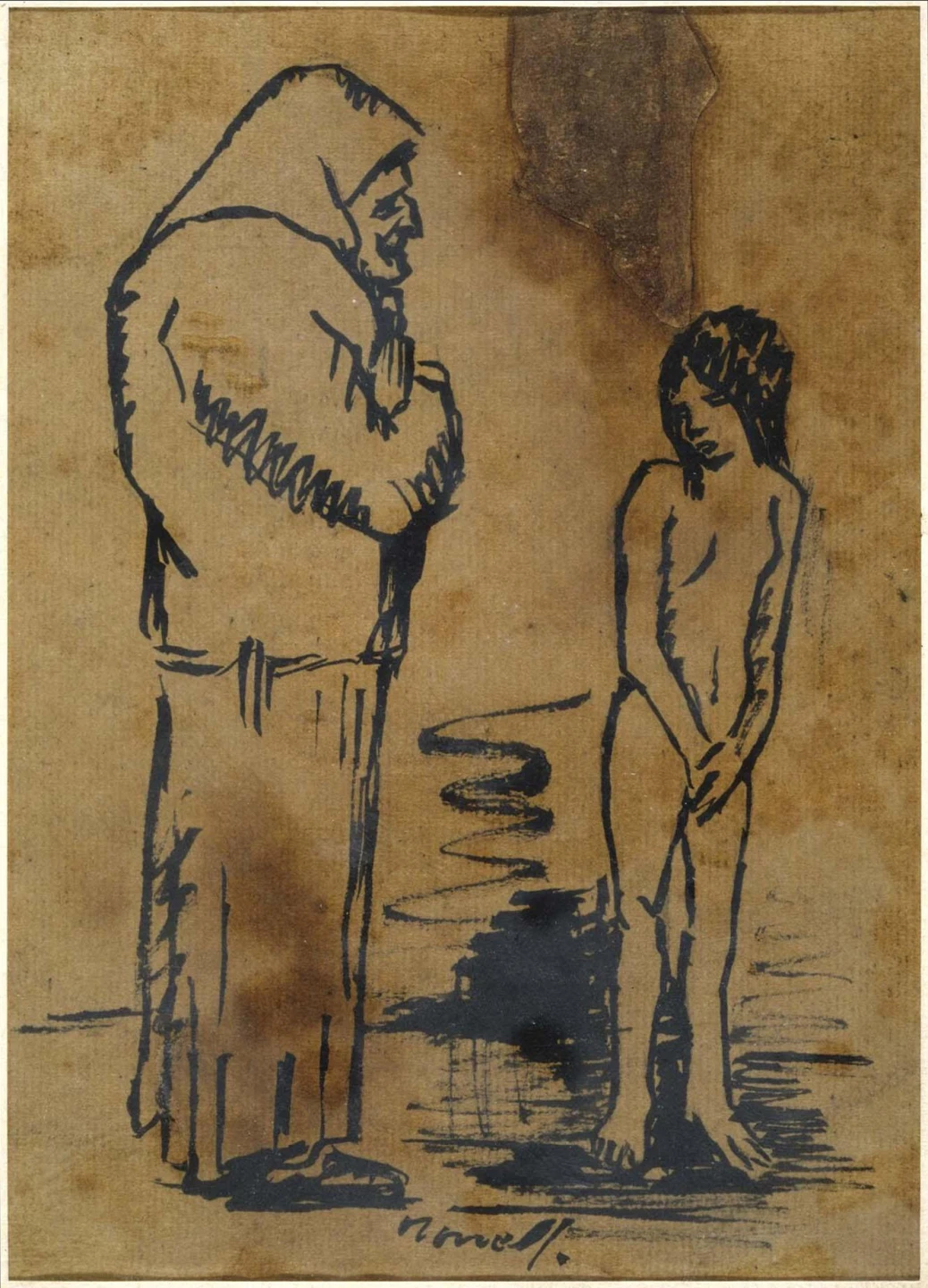
These artists’ interest in bohemia, the city’s streets, theatres, cafés and cabarets was taken to Spanish cities upon their return from Paris, and in their defiance of bourgeois society and academic artistic order, they would find, in the grim representation of disadvantaged sectors in each of their contexts, a form of rebellion and resistance. Representations of women of gypsy ethnicity thus shaped an image opposed to that desired by Catalan society, which aspired to become a point of reference of bourgeois capitalism in Spain. The persistent repetition of these themes by painters such as Isidre Nonell also intensified the will to boldly deconstruct the bourgeois portrait type: the sculptural and monumental treatment of the figures, their contrived postures, contorted and hidden, or impasto faces showing those depicted as devoid of identity, ousted from history.
49 artworks


Room 201.01
Holy bohemia. From slum to gran vía
Room 201.03
Holy Bohemia. Ramón Gómez dela Serna, the improbable artist