Room 205.17
Culture’s Proletarians. La Barraca and the Pedagogical Missions
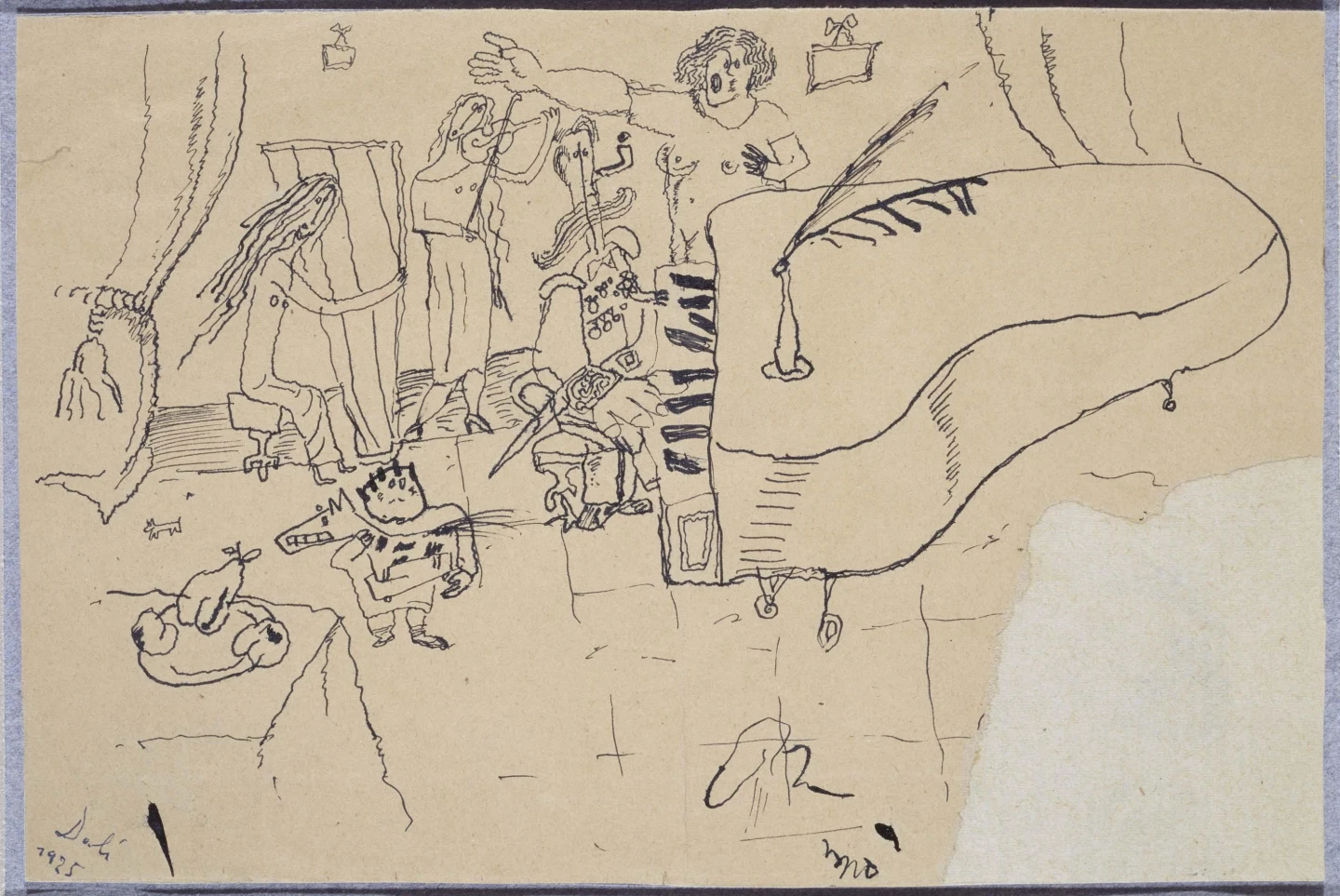
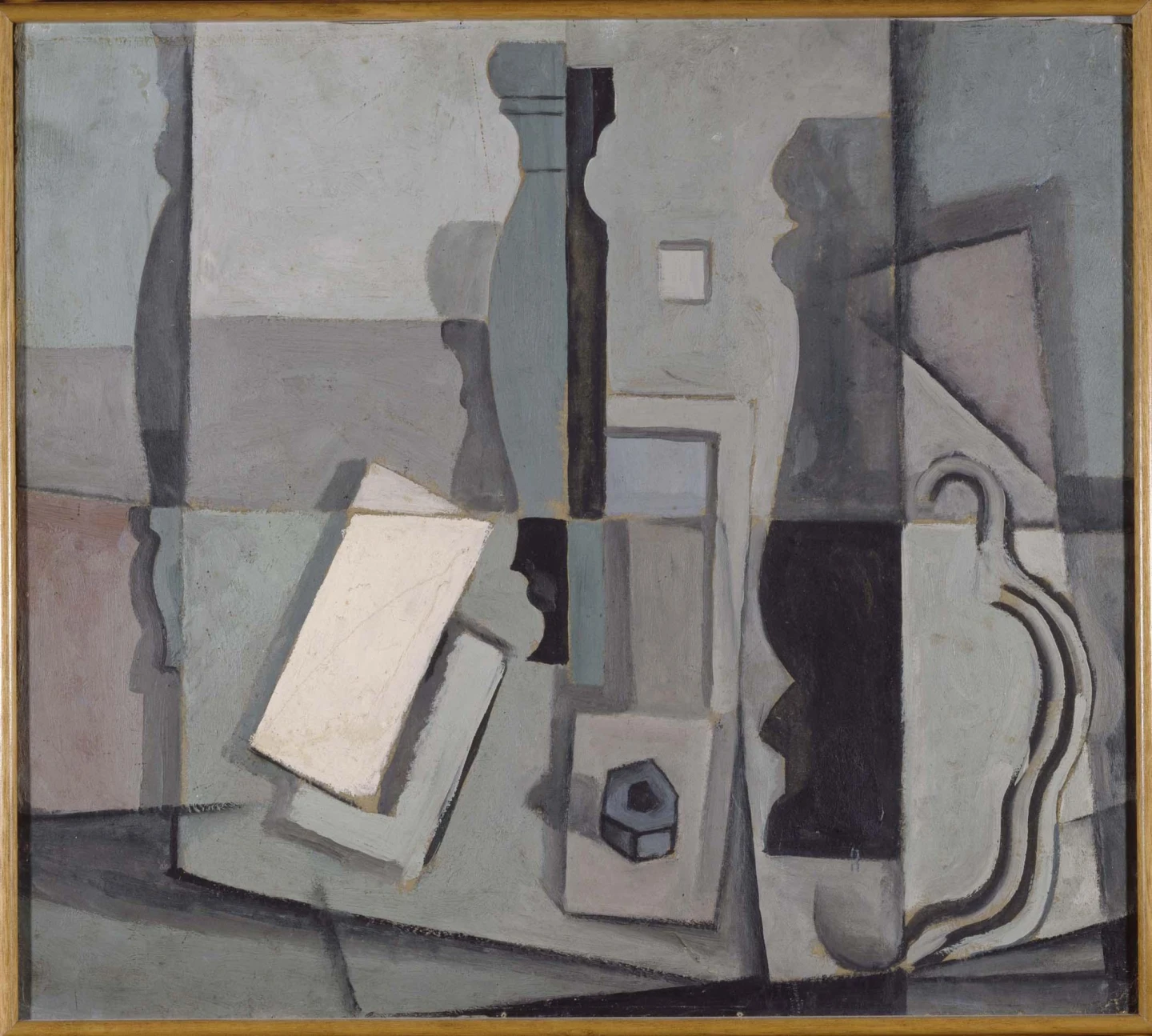
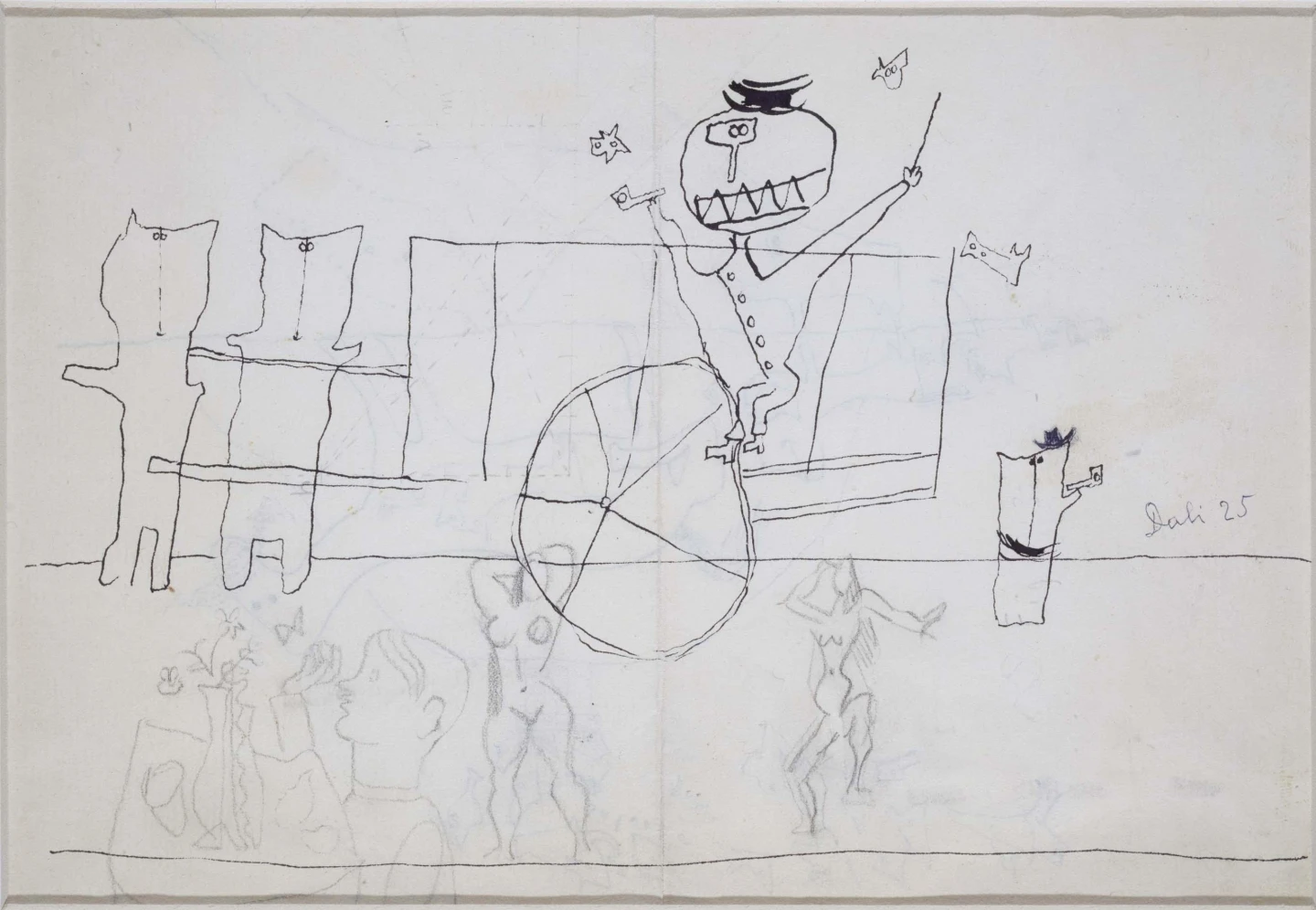
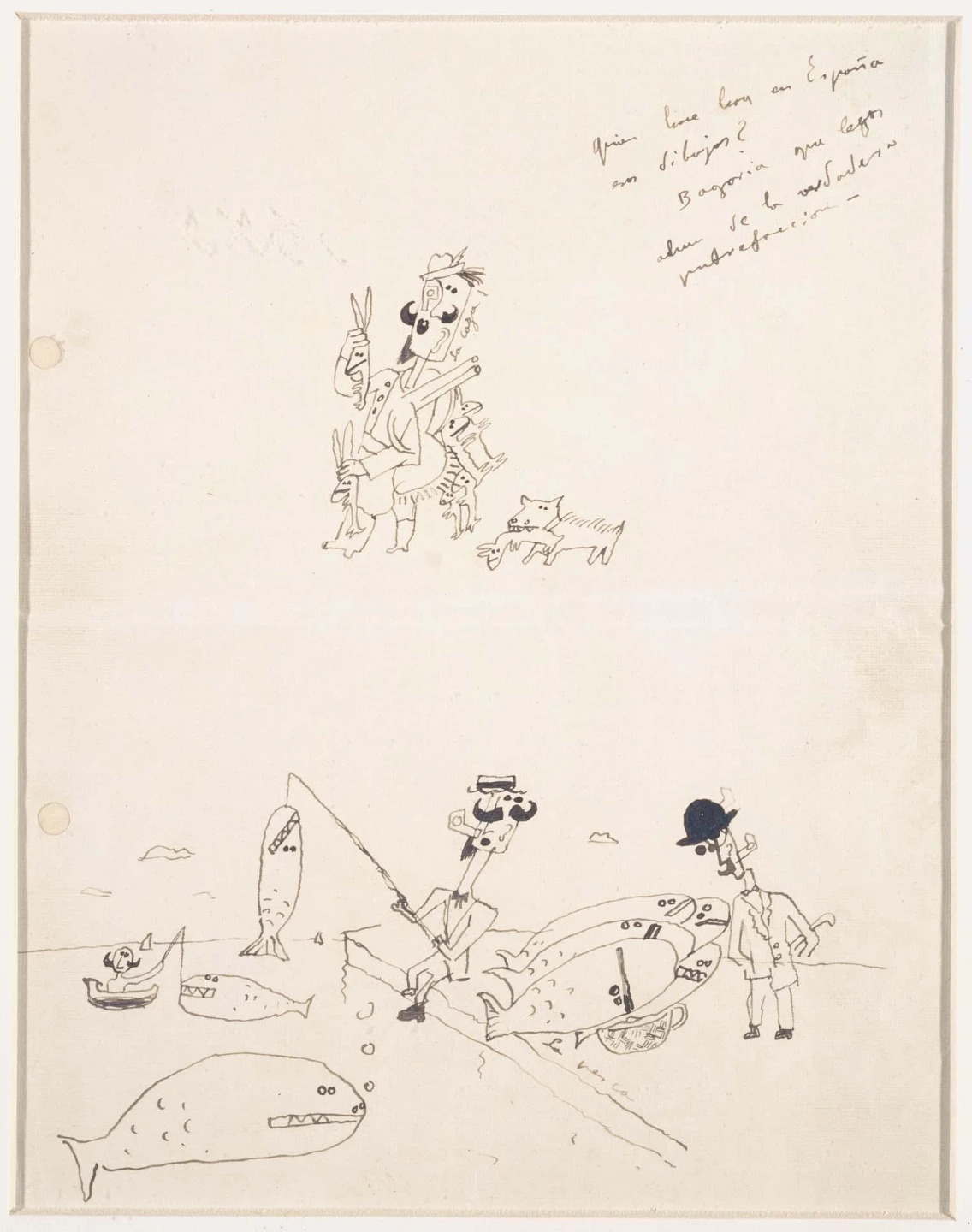
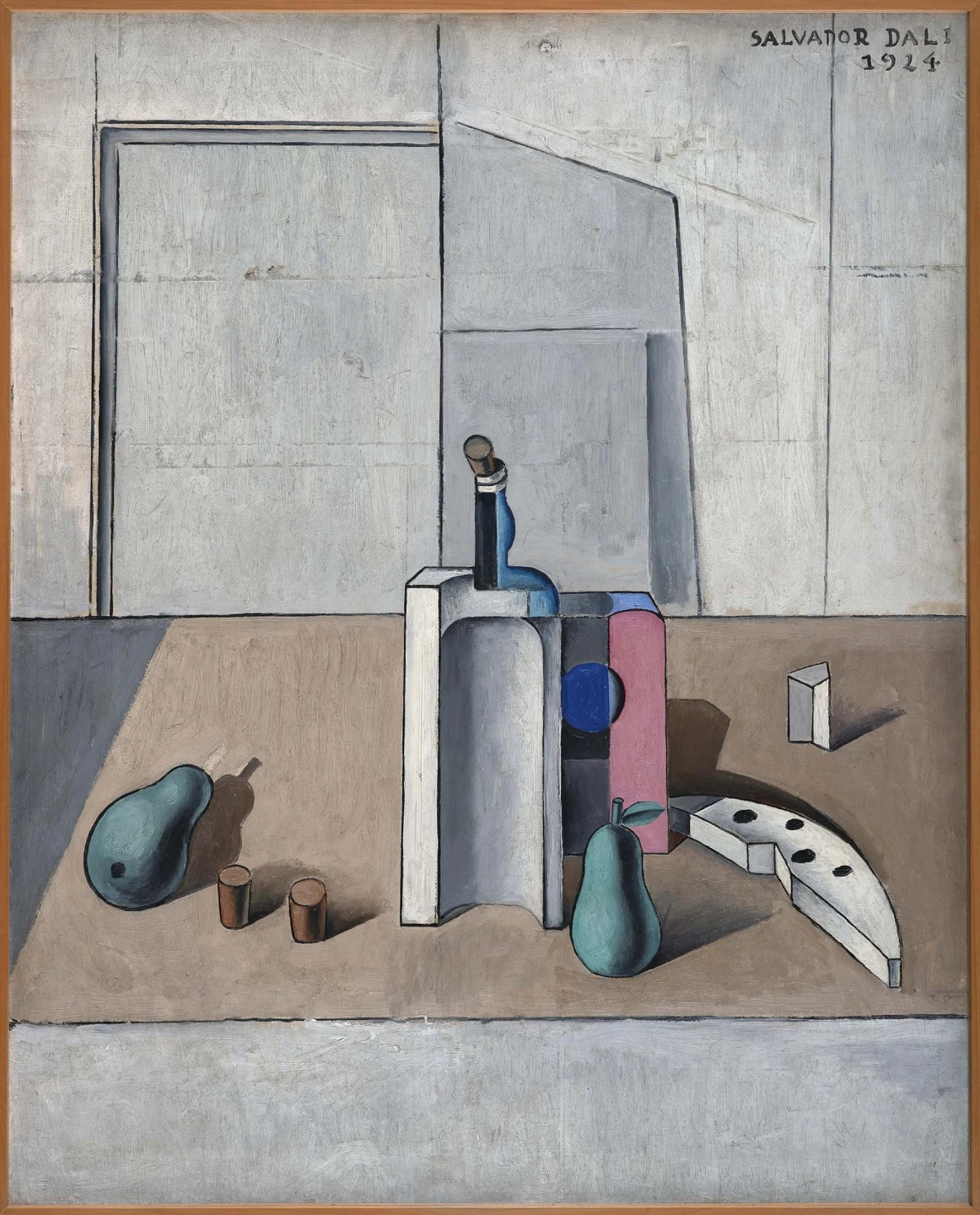
Setting out from the modernising ideas of the Free Institution of Education, founded in 1876 by Francisco Giner de los Ríos, the Student Residency of Madrid was created in 1910. A bona fide space of modernity, a forum for debate and a space to disseminate the intellectual landscape of the sciences and humanities in interwar Europe, its residents also included some of the pre-eminent figures in Spain’s avant-garde such as Salvador Dalí, Federico García Lorca and Luis Buñuel.
Also tied to the legacy of institutionalism were two cultural initiatives that surfaced during the Second Republic and aimed to displace the experience of culture and urban modernity towards rural areas. The first of these initiatives, from 1931 and overseen by Manuel Bartolomé Cossío, was the Pedagogical Missions — for just under the five years it was in operation, it brought to almost 7,000 towns and villages across Spain’s provinces, often for the first time, film screenings, Golden Age theatre productions, puppet theatre, mobile libraries and art exhibitions with copies of paintings from the Museo del Prado.
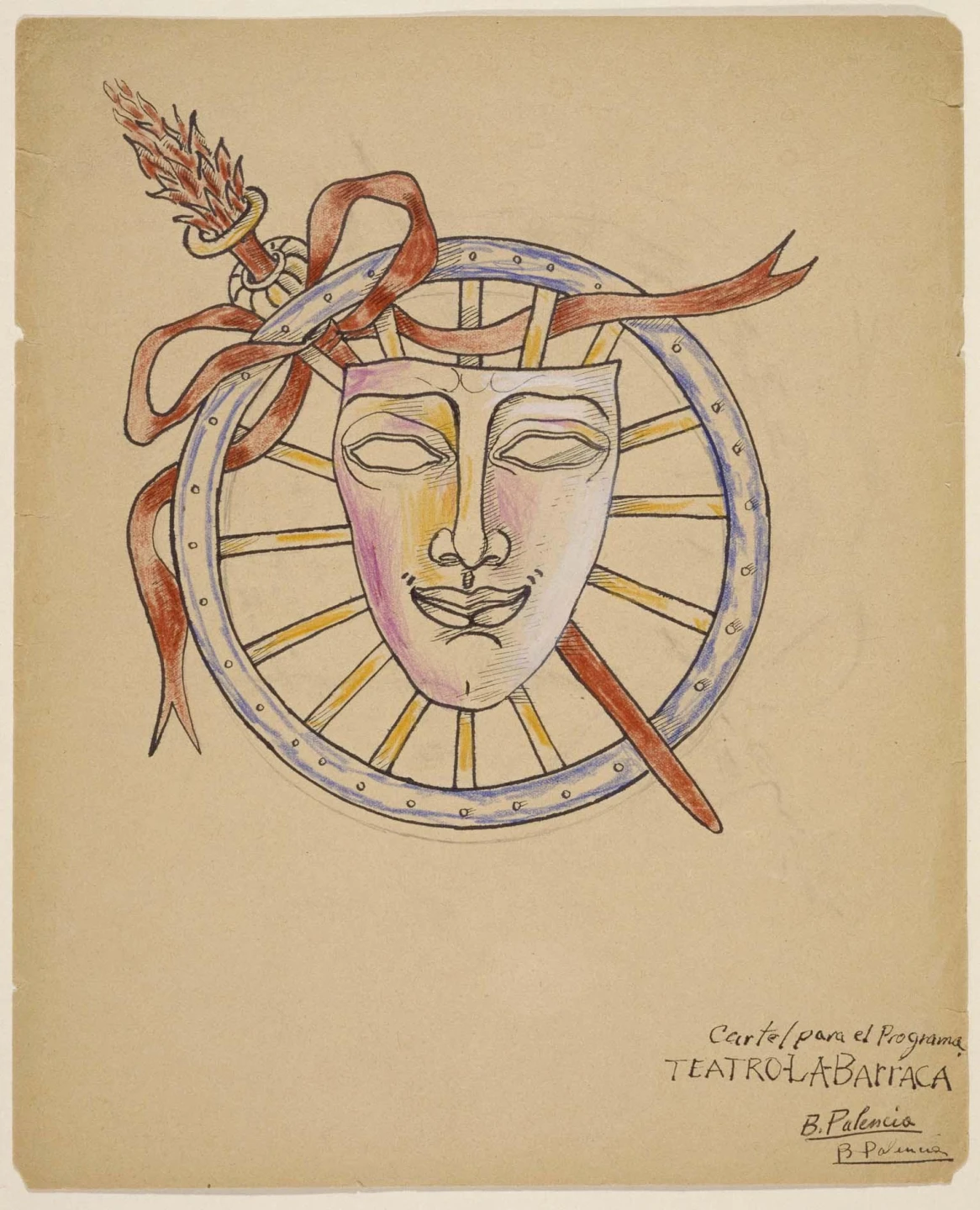
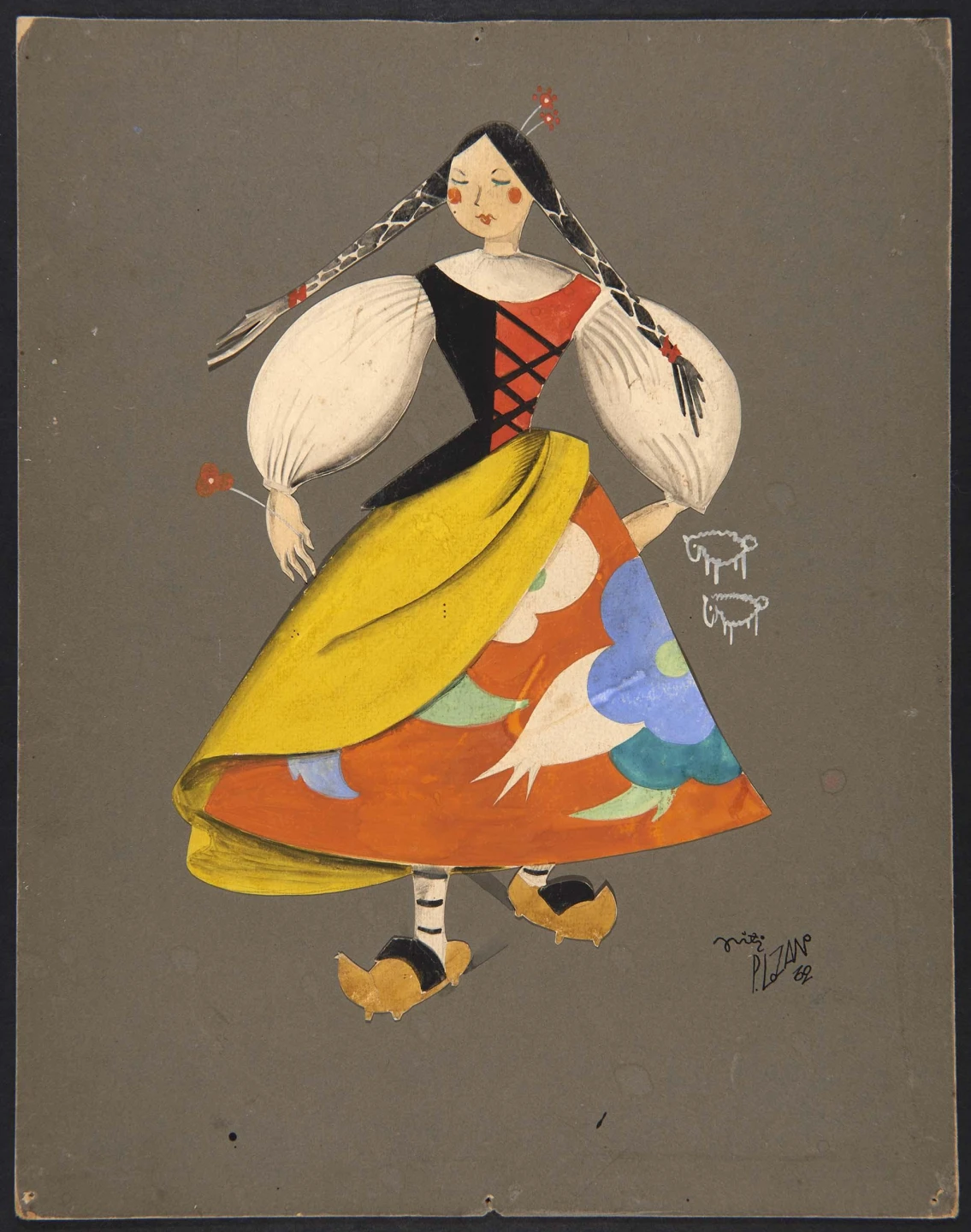
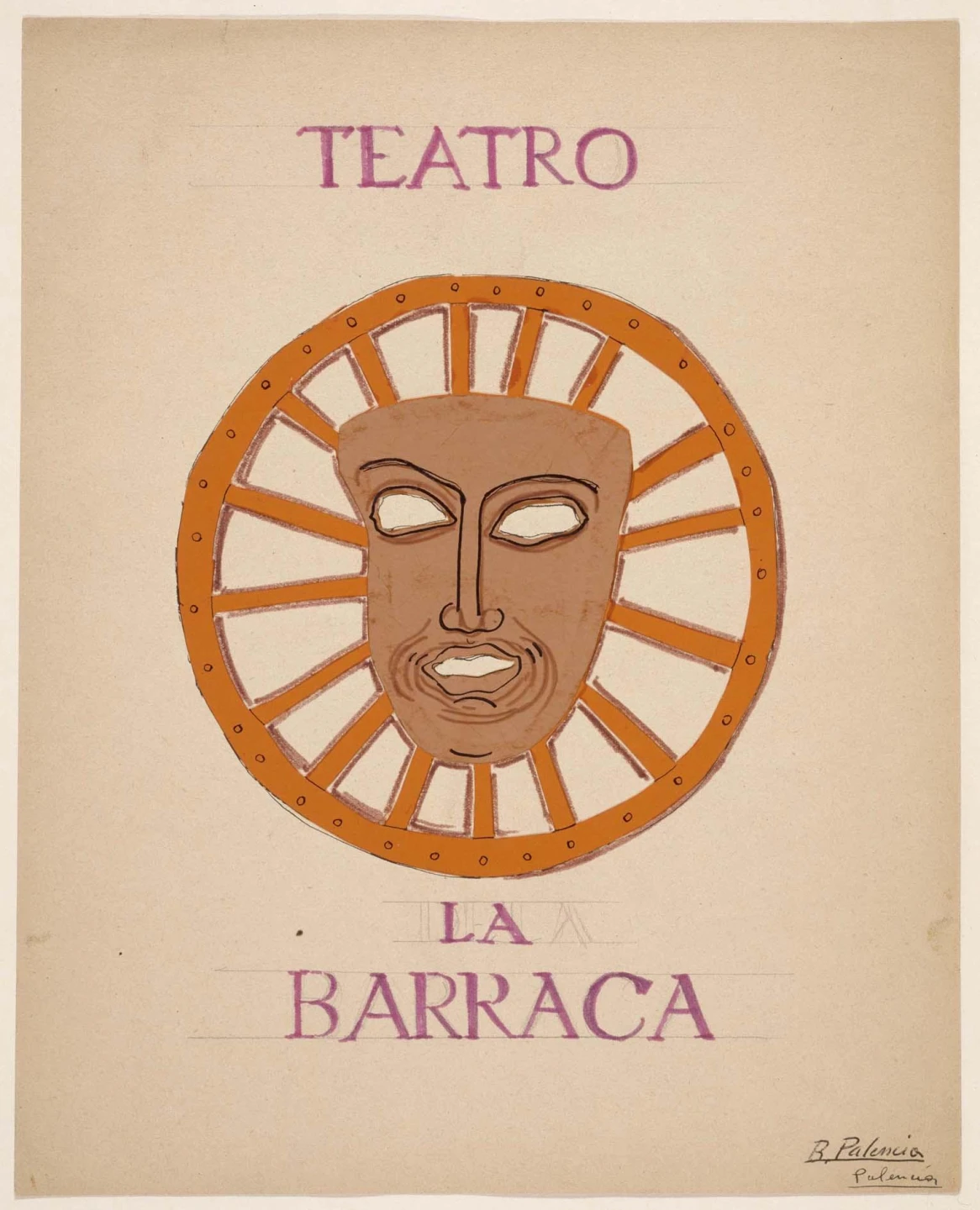
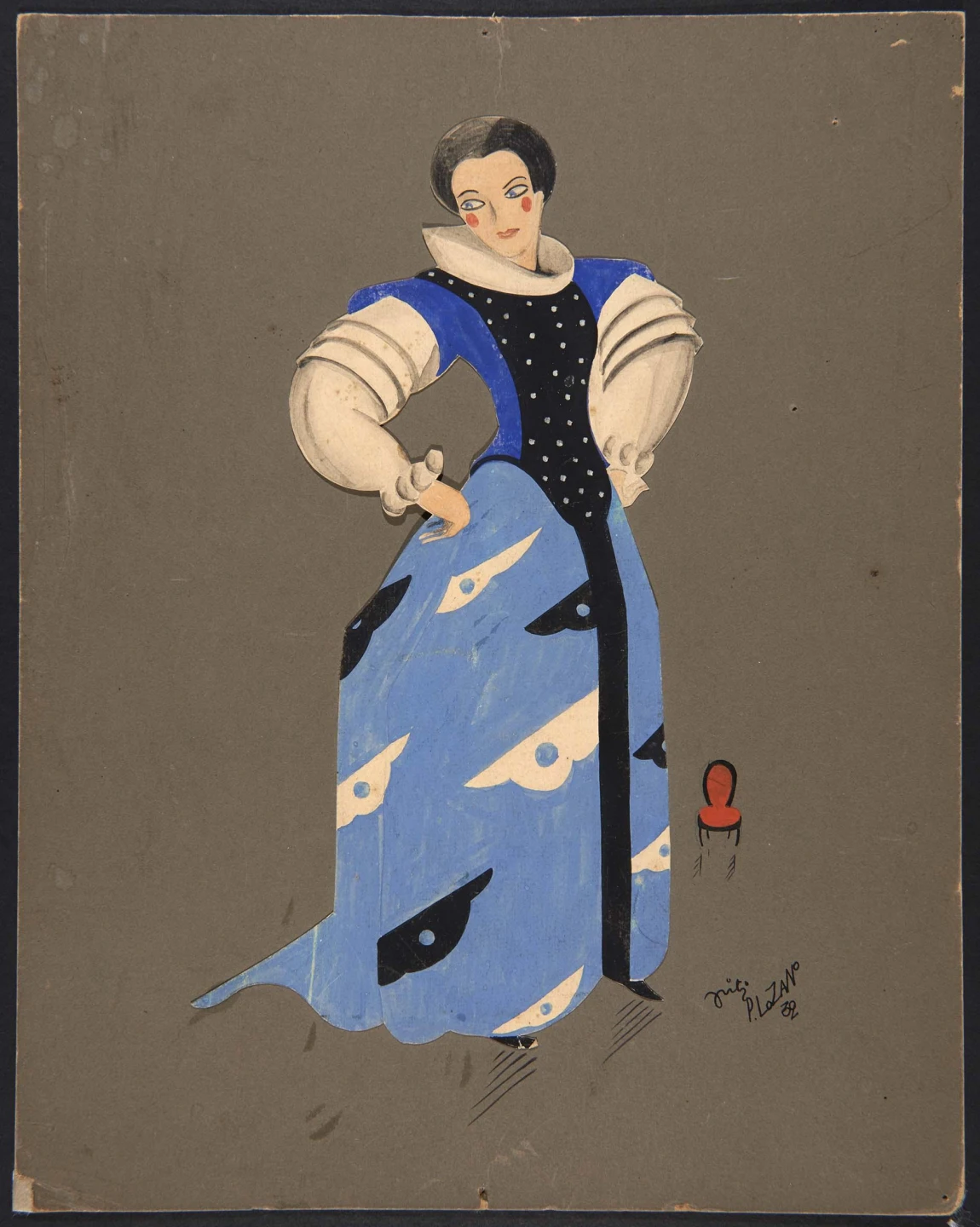
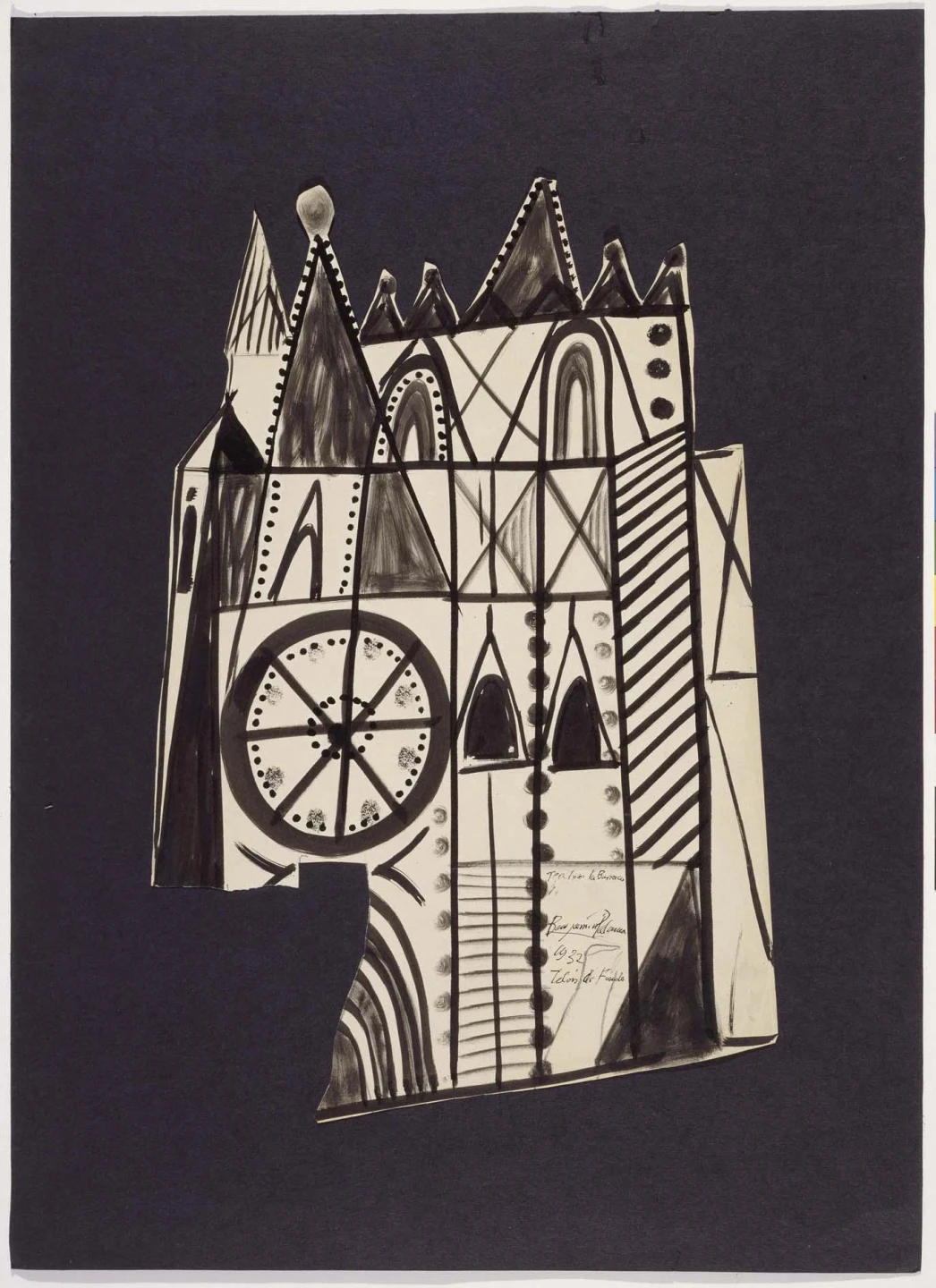
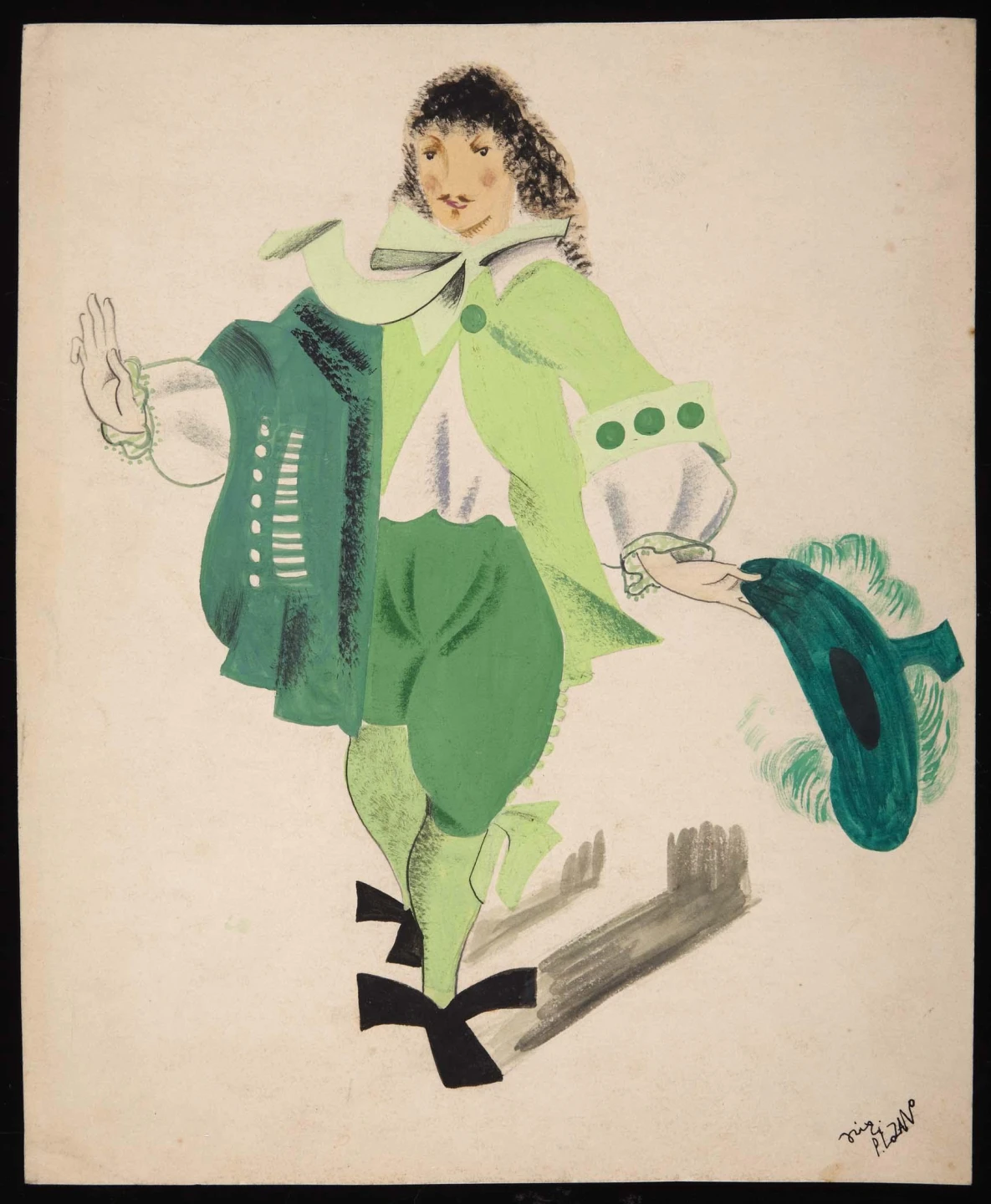
To the same end, the travelling university theatre La Barraca was formed in 1932. It was directed by Federico García Lorca and Eduardo Ugarte and comprised student performers from different disciplines who contributed their particular experiences to create a transversal project. Before grounding to a halt because of the Civil War, La Barraca brought to Spanish towns staged performances of works by classical writers such as Cervantes, Tirso de Molina, Calderón de la Barca and Lope de Vega, with a modern mise en scène.
30 artworks



Room 205.16
War photography
Room 206.01
Dalí, Underwater Landscapes