Room 205.14
Culture’s Universal Time. Gaceta de Arte
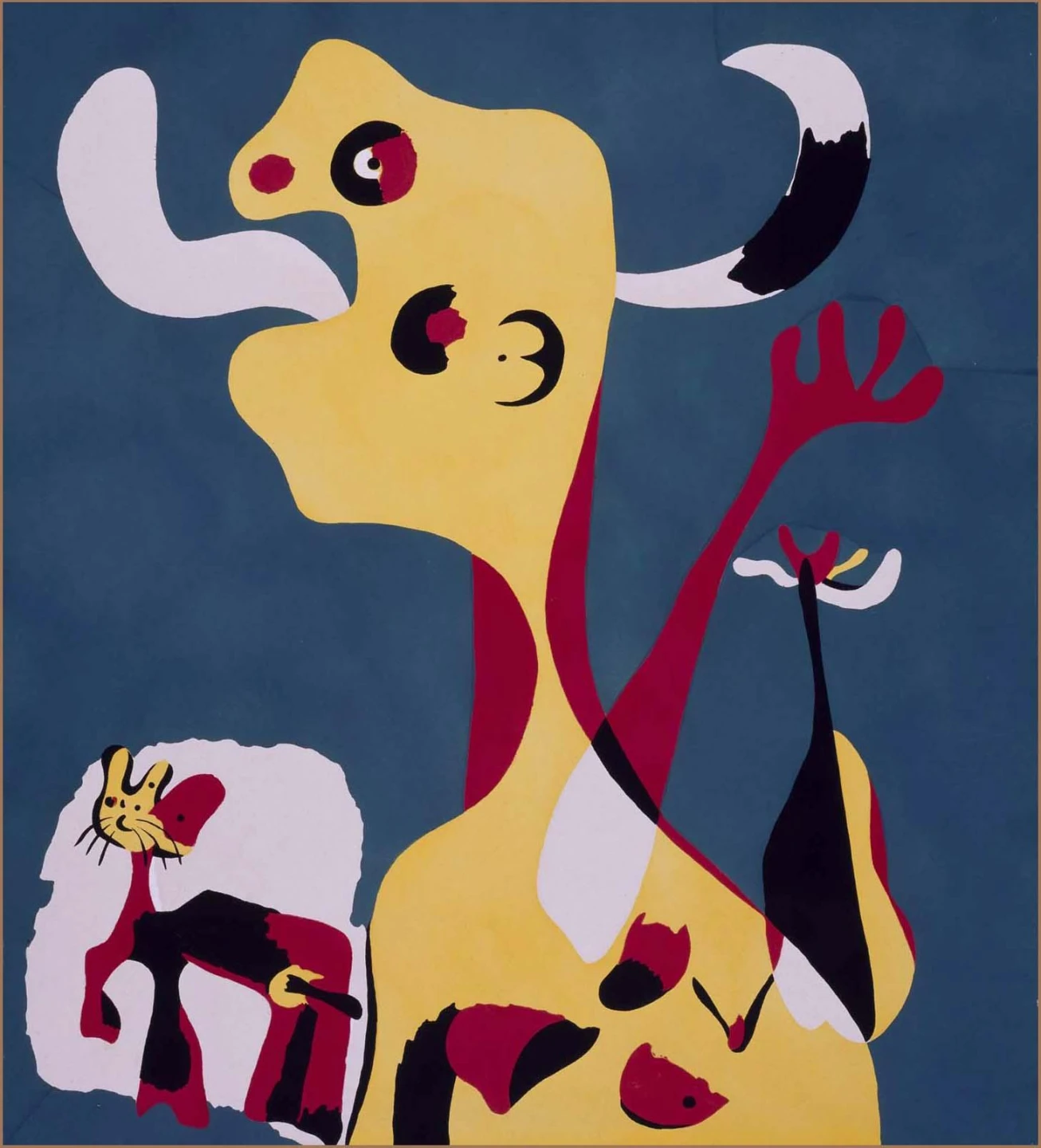
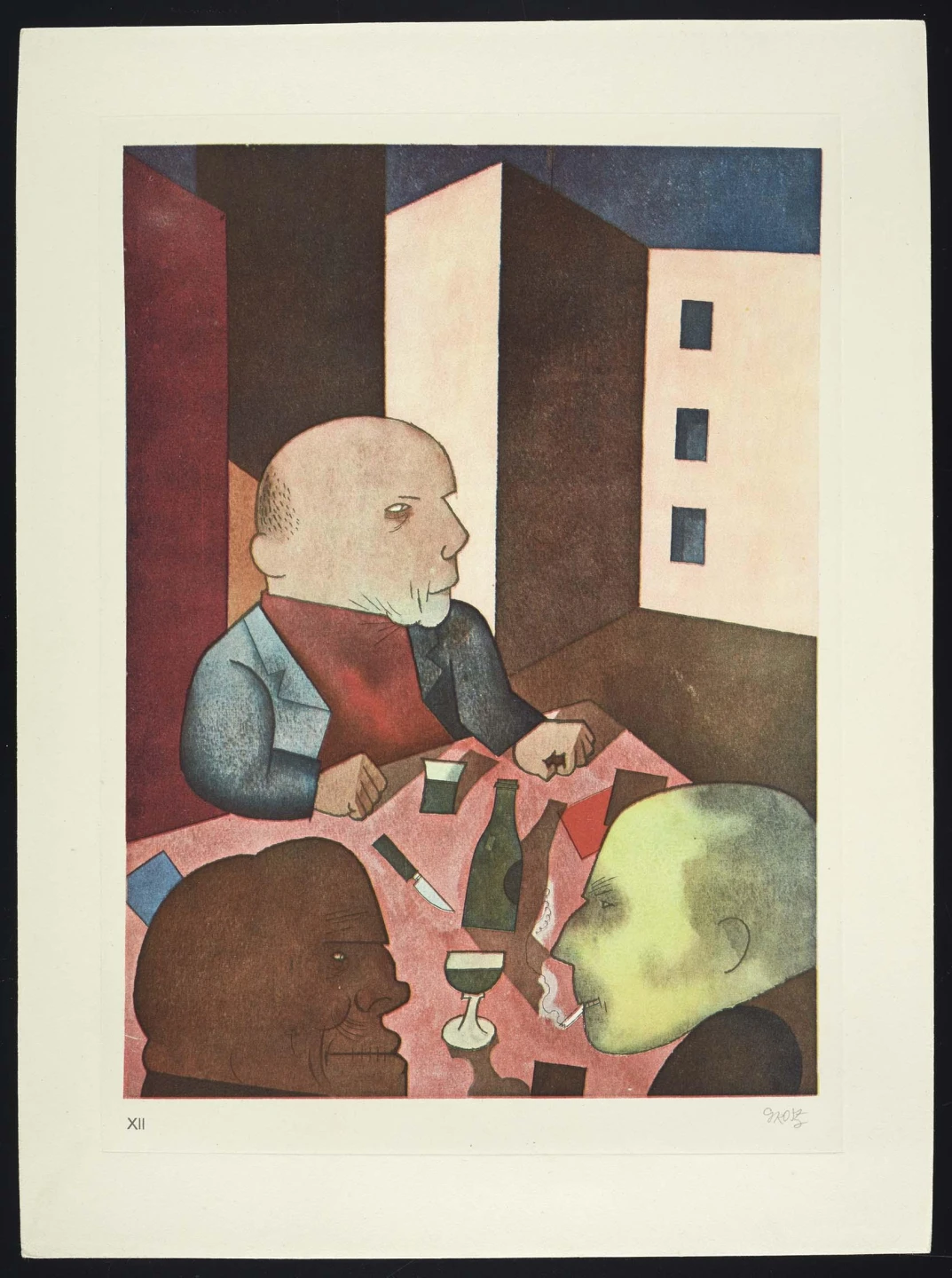
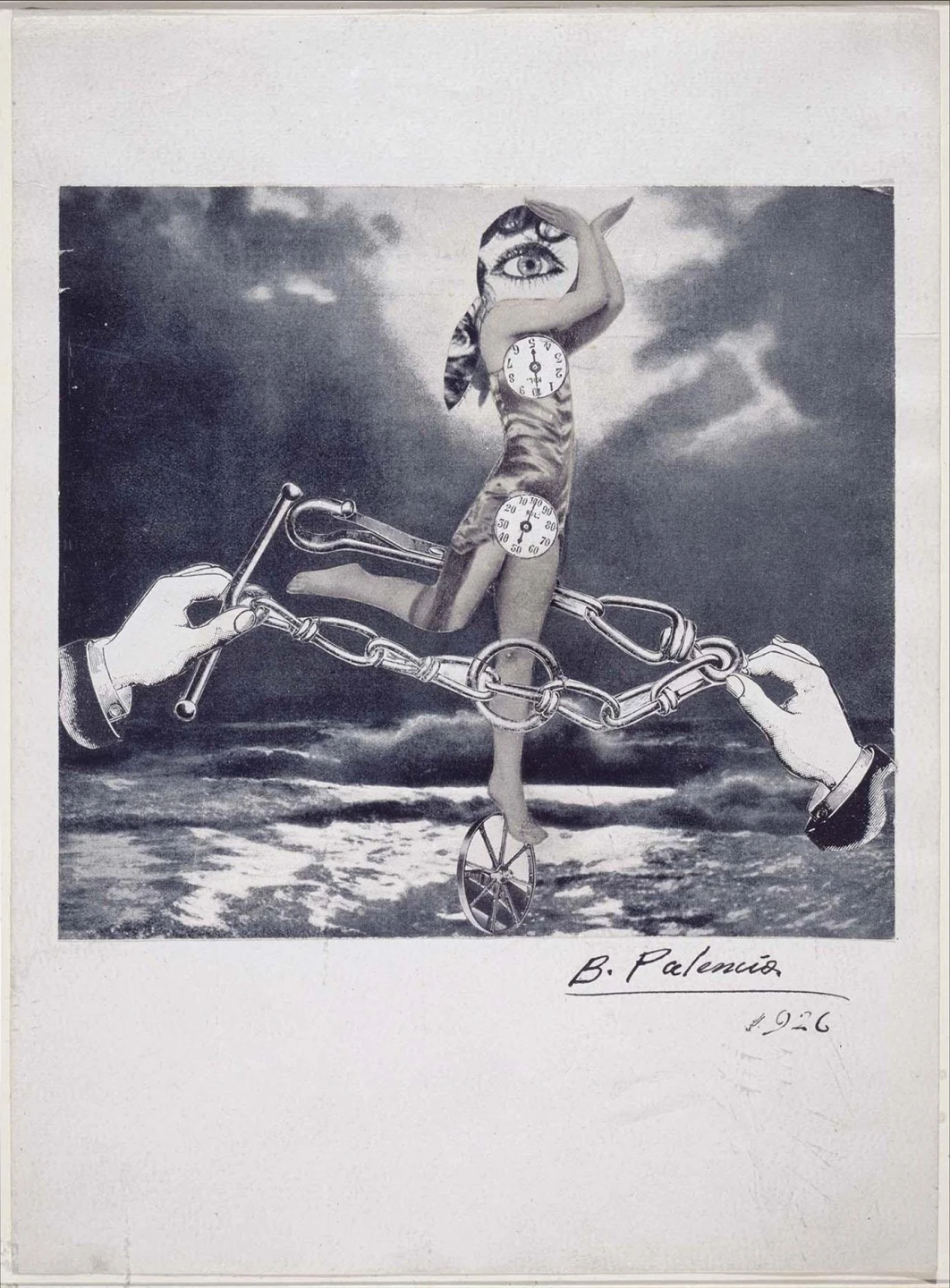
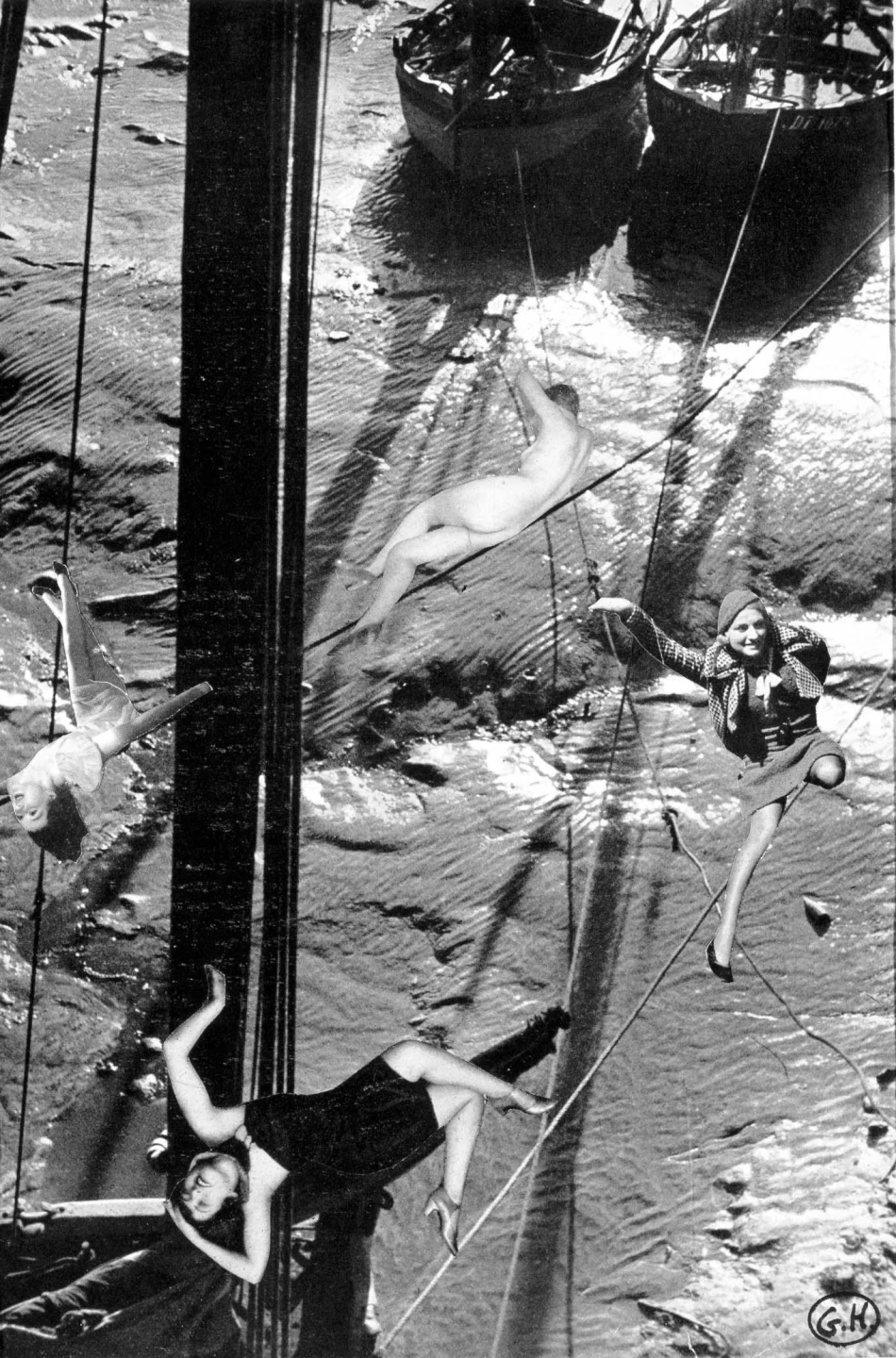
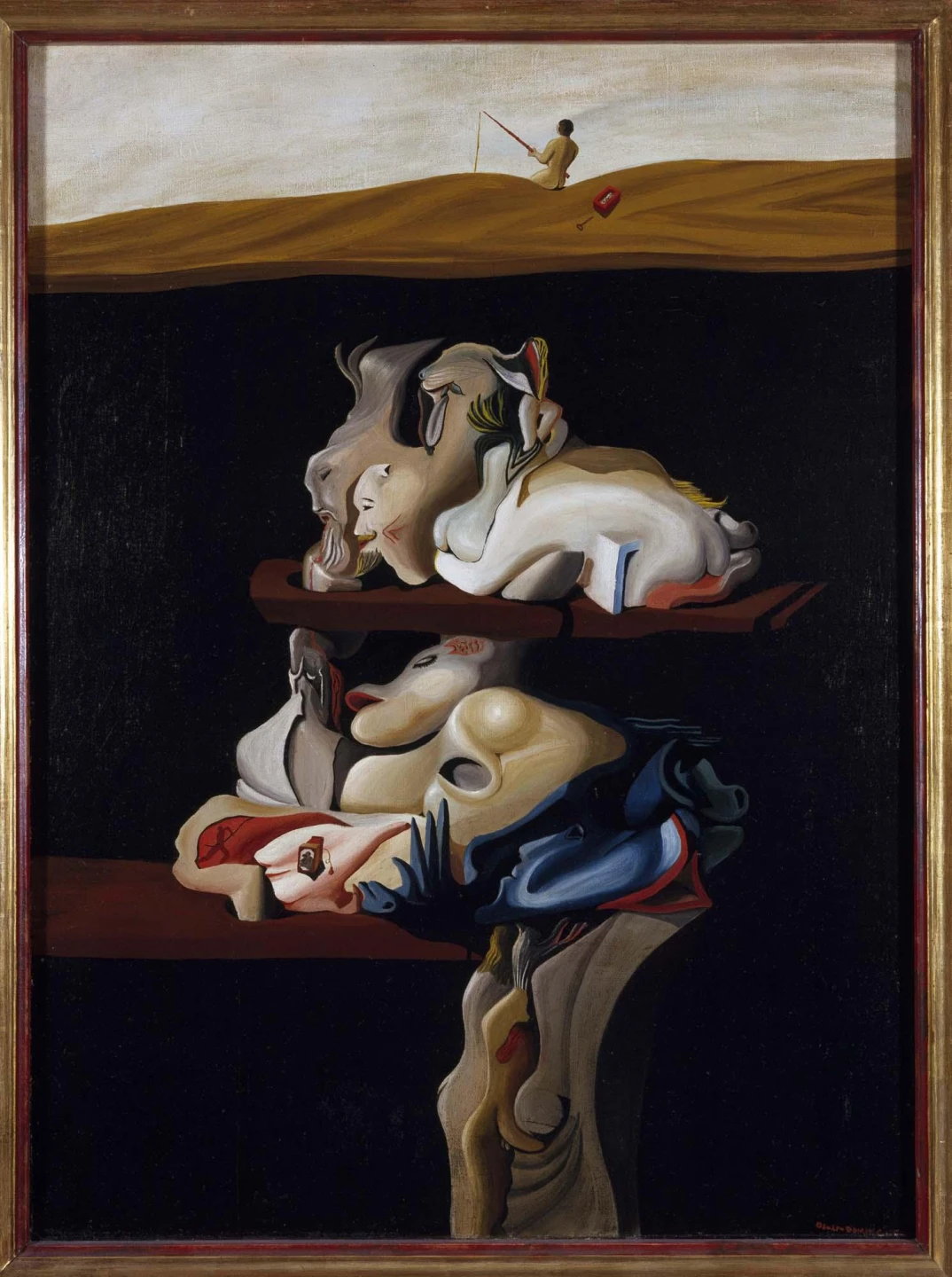
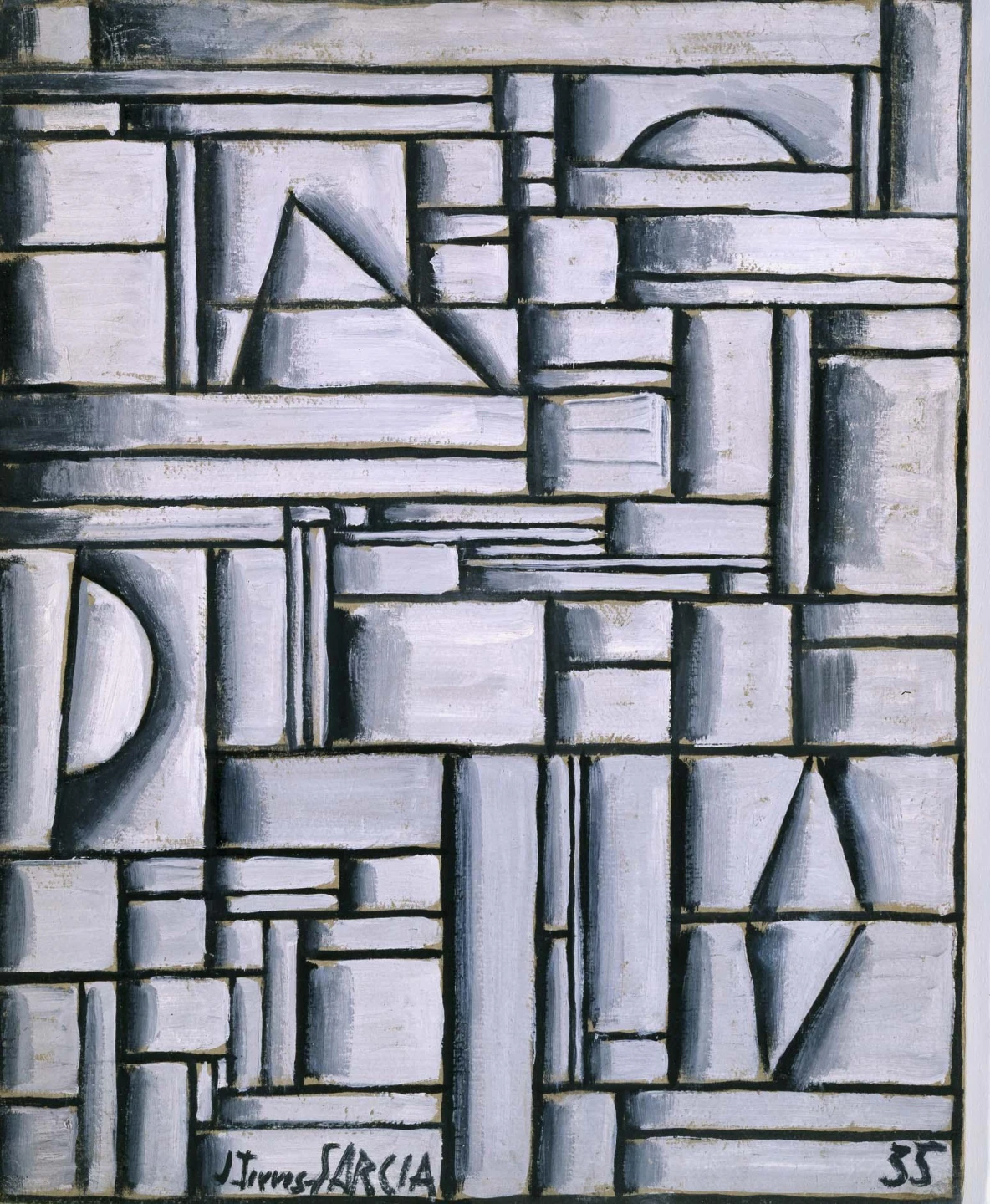
One of the most important cultural initiatives from the Second Republic surfaced far from the Iberian Peninsula, on the Canary Islands. Gaceta de Arte was published as a magazine in Santa Cruz de Tenerife from 1932 to 1936, in addition to an international publishing house established with a key commitment to modernity. Its editor, Eduardo Westerdahl, would bring the Canary archipelago closer to the different European avant-garde art movements in the 1930s that he had encountered on his travels around Europe. Gaceta de Arte was also a space of exchange between the cultural scene on the islands and those on the peninsula, particularly with the ADLAN group and GATEPAC, collectives which shared a championing of architecture and graphic design from the modernist movement. The eclectic nature of the magazine meant its pages would feature diverse and often contradictory artistic trends, for instance Rationalism and Surrealism.
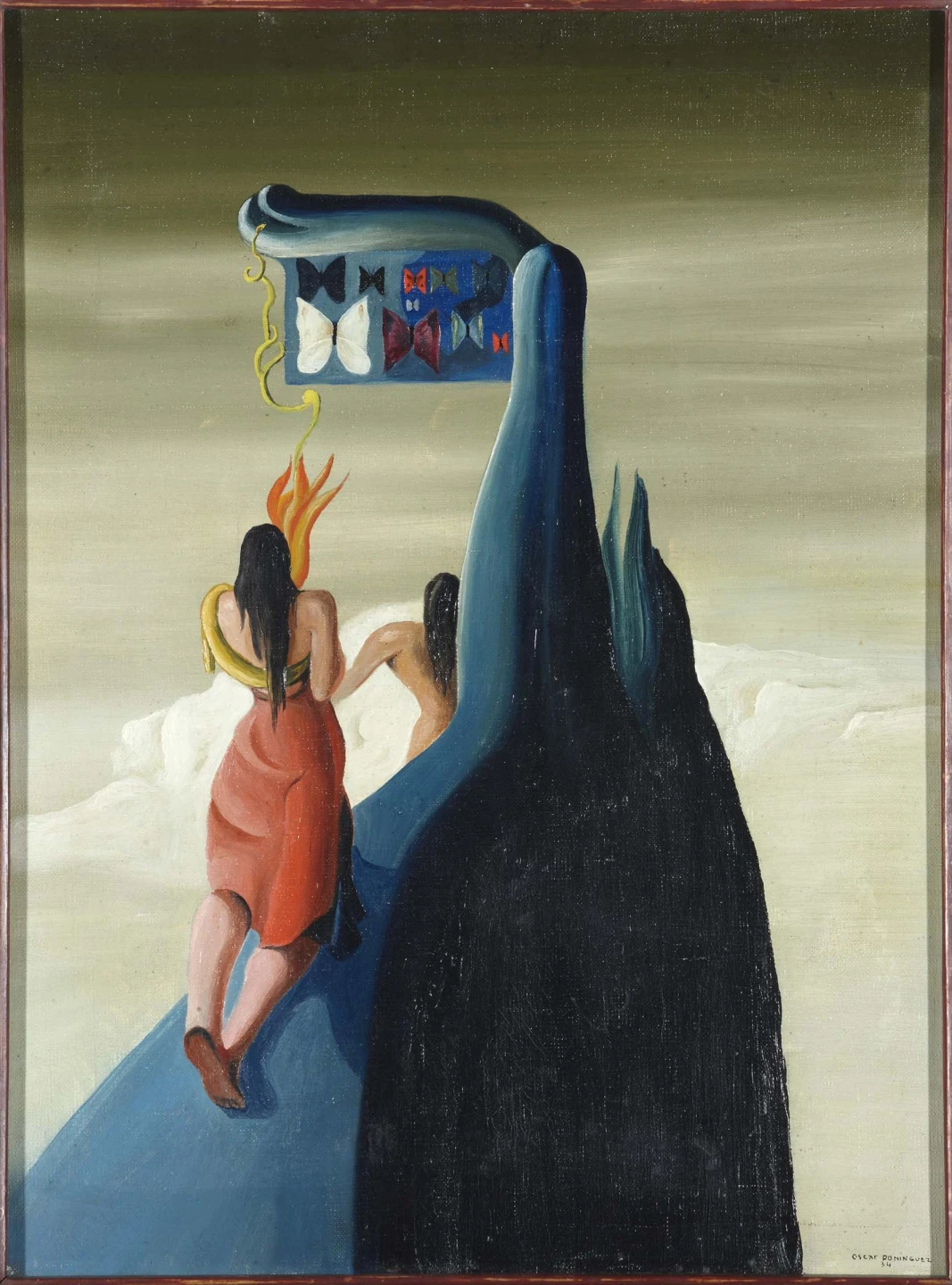
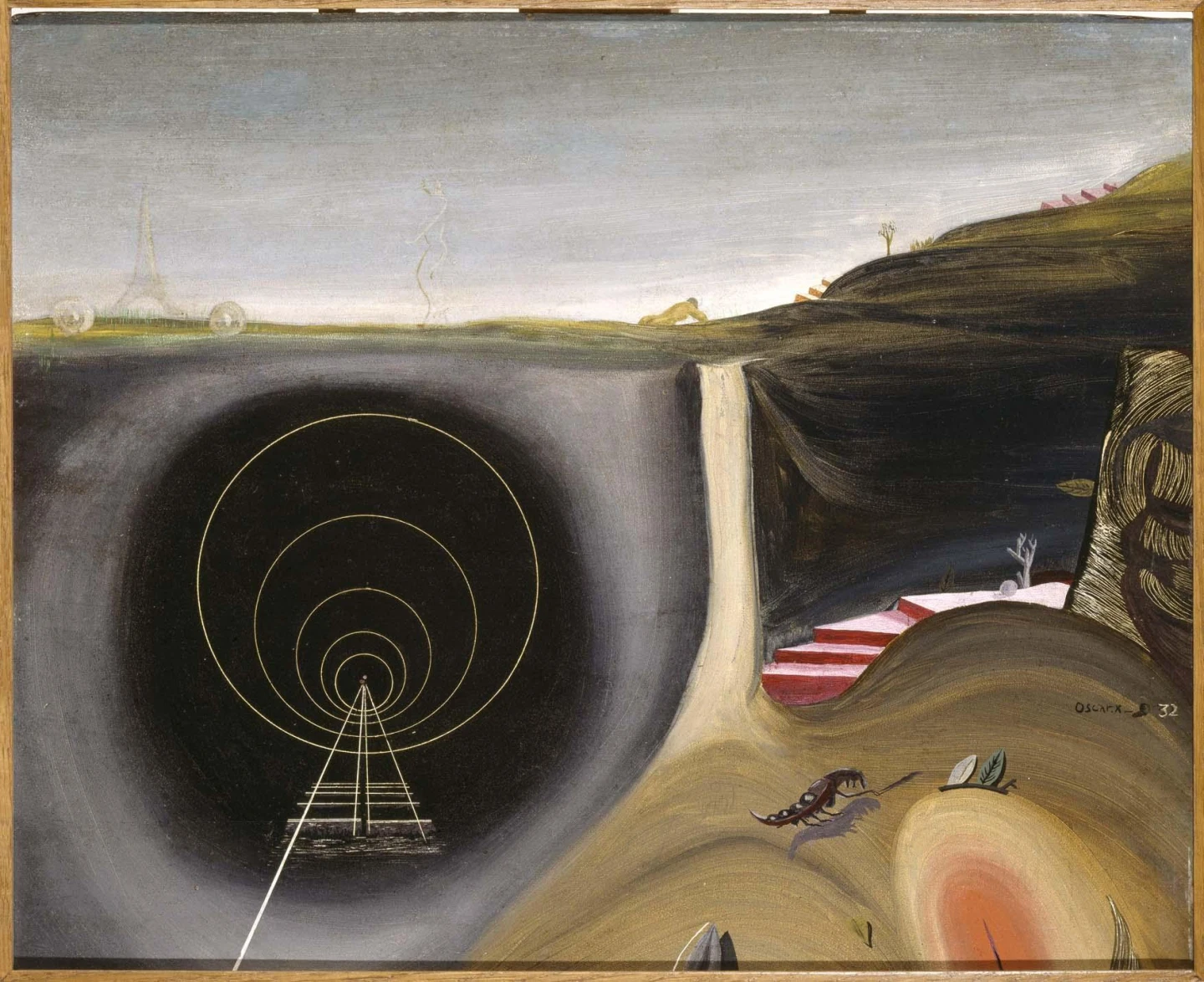
It is the latter movement mentioned above with which the magazine is most commonly associated. Surrealism appeared in Gaceta from its infancy through the writings of the poet Domingo López Torres and the Paris chronicles written by the artist Óscar Domínguez. Its links to the “official” Surrealist group in Paris led to the arrival of André Breton on the island in 1935 to support the Second International Exhibition of Surrealism, held in the Ateneo exhibition hall in Tenerife. Breton, moreover, delivered two lectures and organised a screening of L’âge d’or (Golden Age, 1930), the controversial film made by Luis Buñuel and Salvador Dalí which was eventually banned.
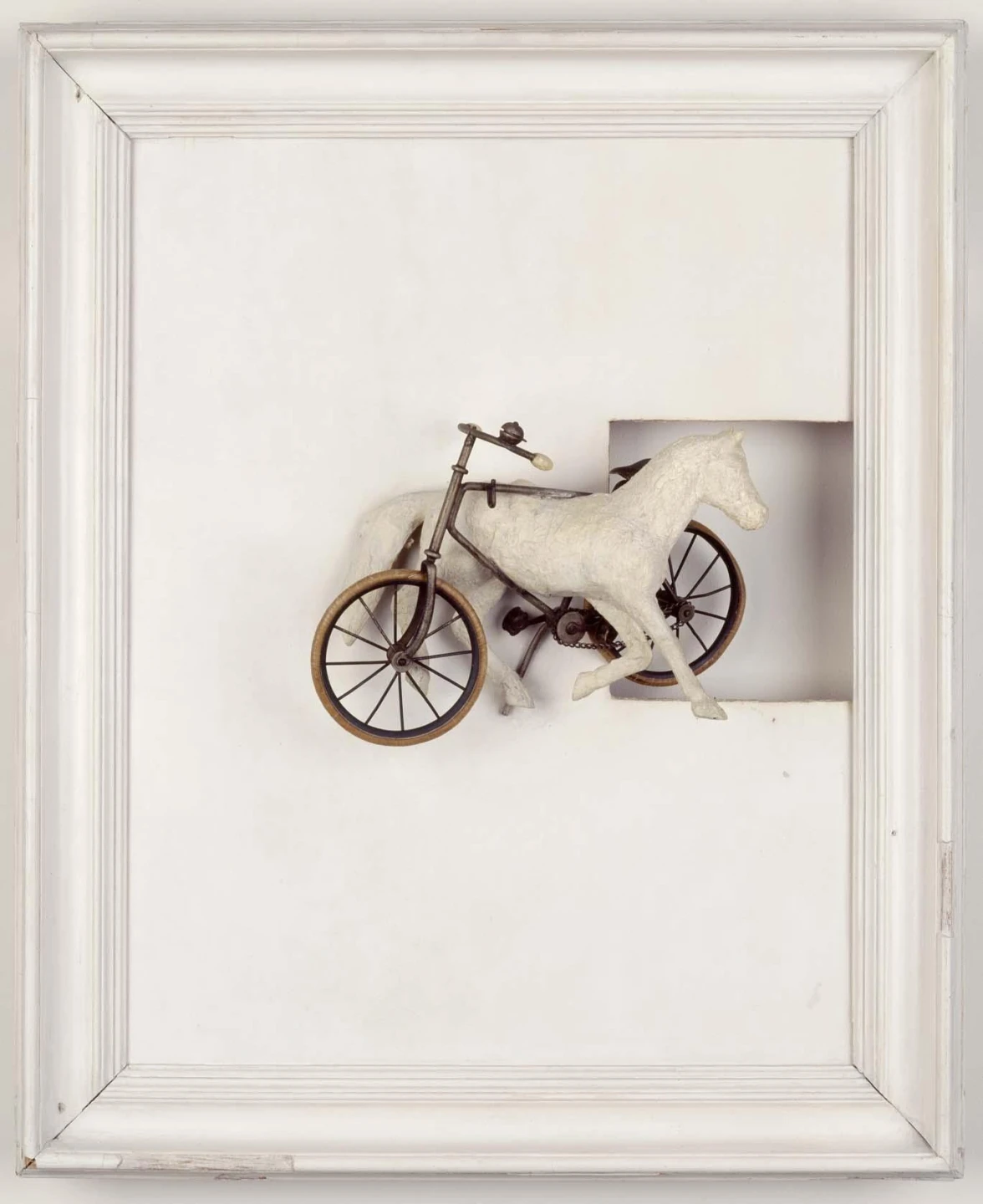
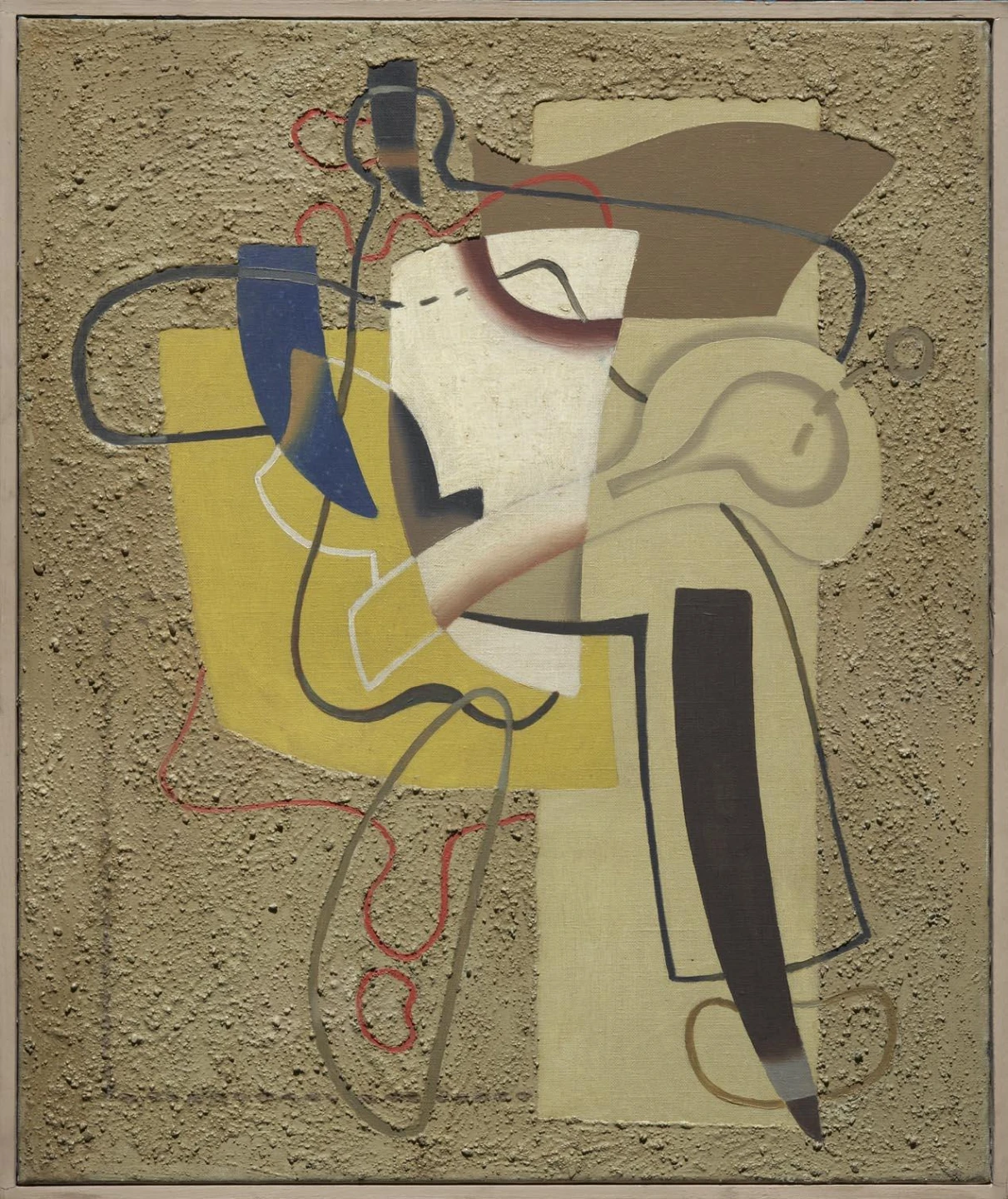
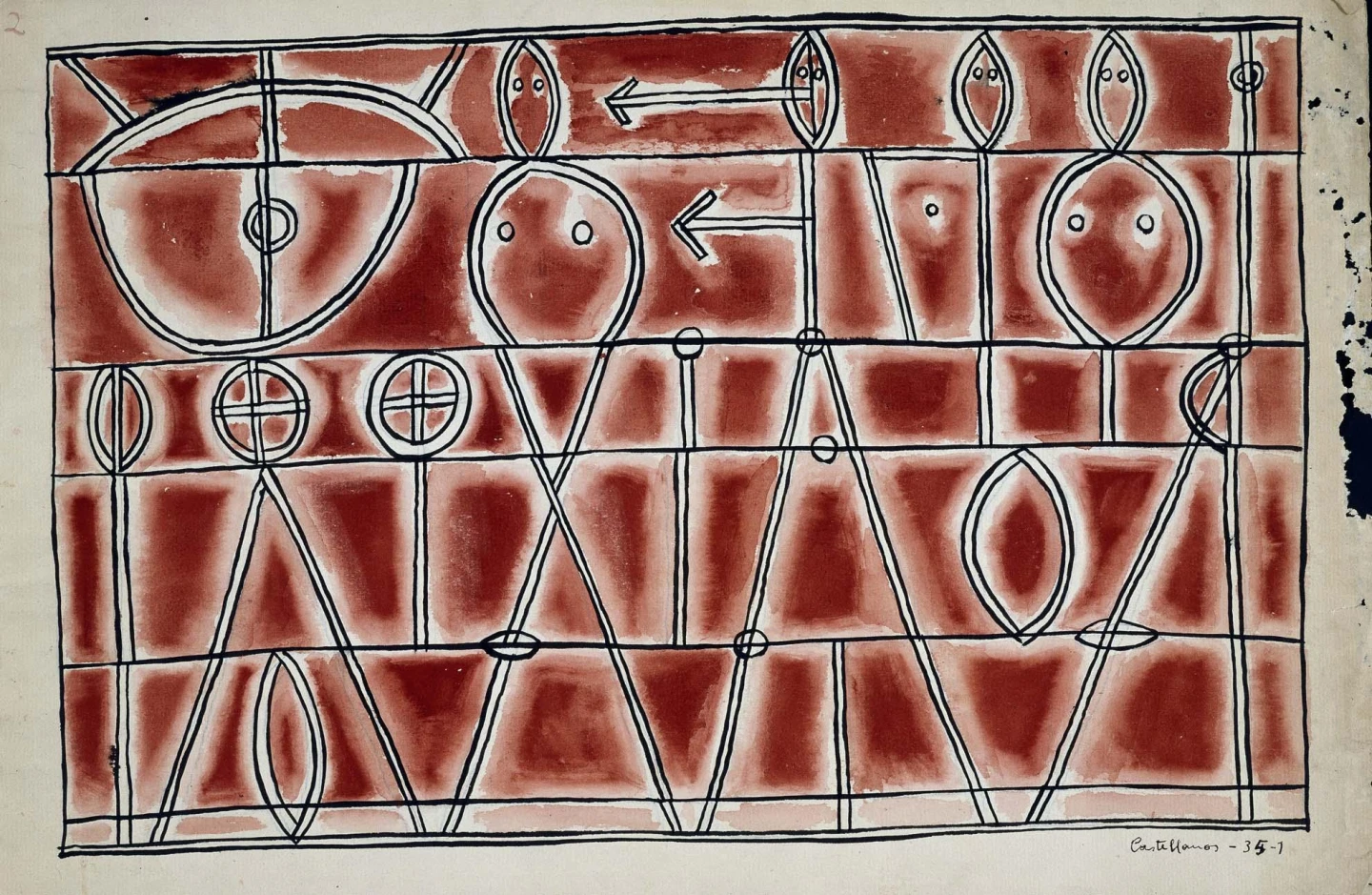
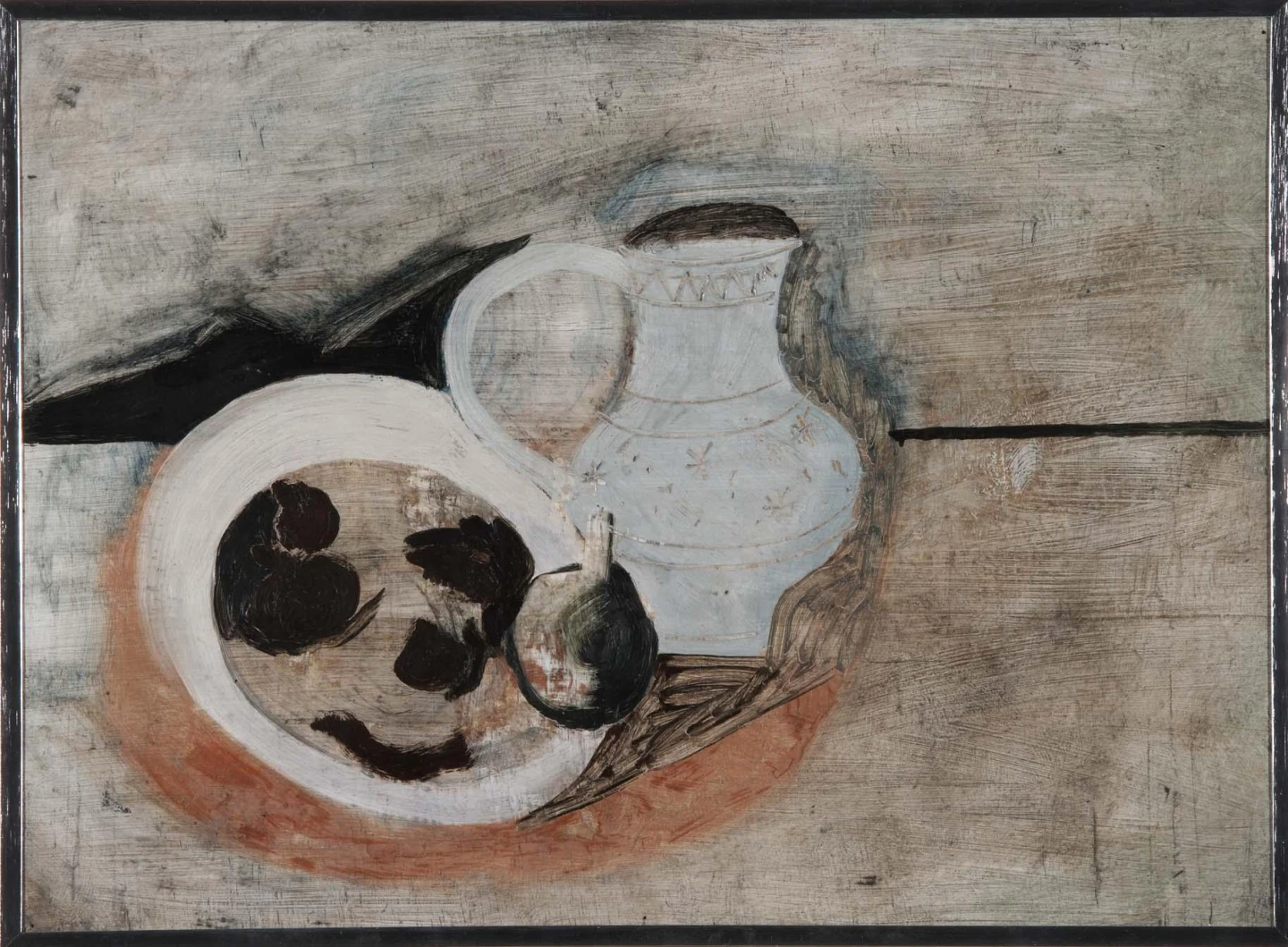
18 artworks


Room 205.13
André Breton. The Magician of Surrealism
Room 205.15
Luis Buñuel: L’âge d'or (Golden Age), 1930