Room 208.03
Painting and Anarchism
The anarchism that swelled in Spain from 1868 onwards started to become more publicly overt in the early decades of the twentieth century, mostly taking hold in Andalusia and Catalonia. The conditions of rural workers and the rapid development of industry, with its associated social conflicts, were a breeding ground that nurtured the expansion of this ideology, which, in turn, would uncover some of the fault lines in the political system of the Restoration. These years witnessed a blossoming of graphic art work, photography and libertarian-inspired publications, constituting a space of self-representation for the working class and reflecting anarchism’s interest in techniques, mediums and aims that differed from those traditionally associated with the bourgeoisie. Salons, atheneums, lyceums and market-reliant professional artist spaces were replaced by creatives and agents in tune with anarchism through new concepts that included reproducible art, the collective vocation and the figure of the non-professional artist.
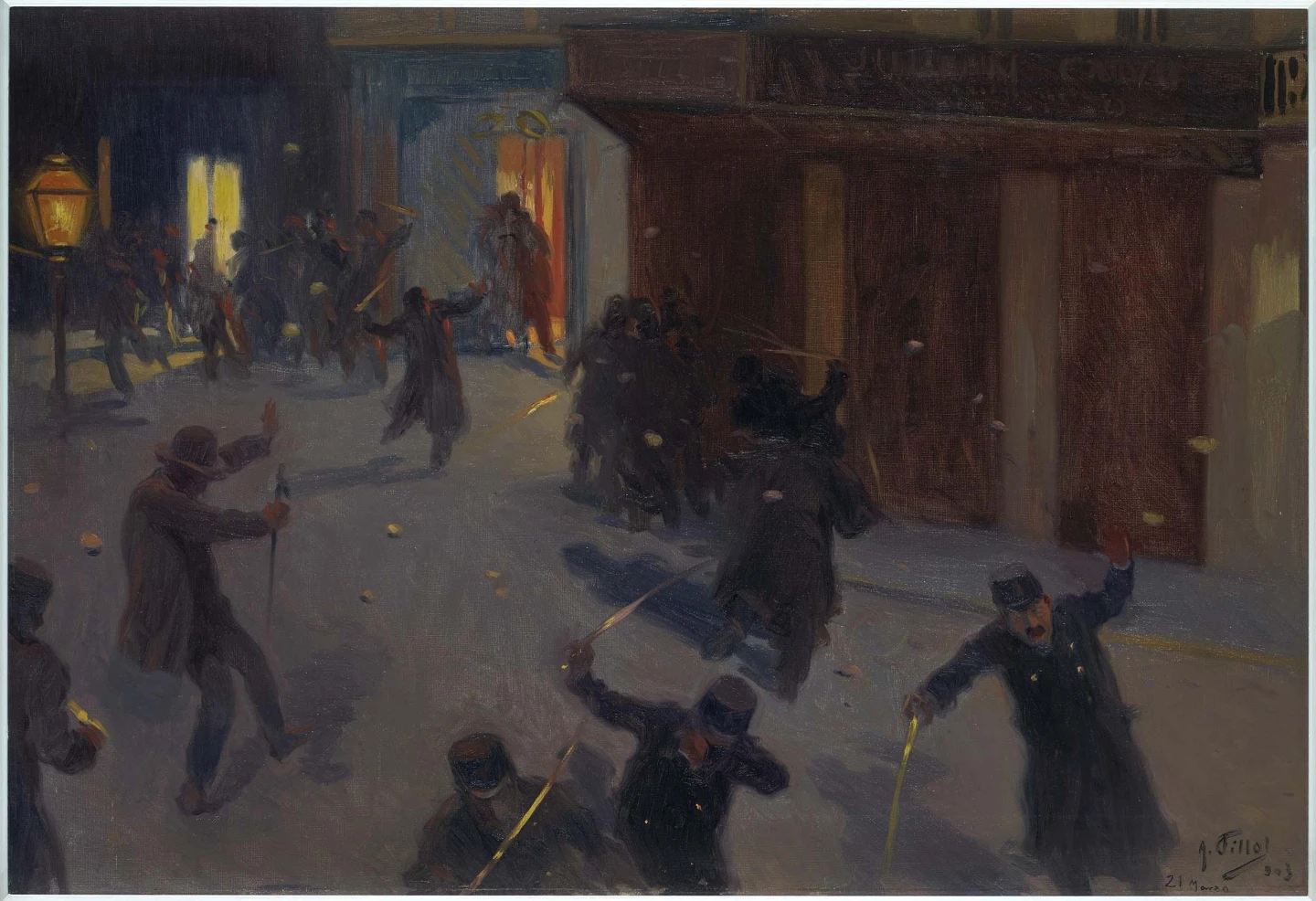
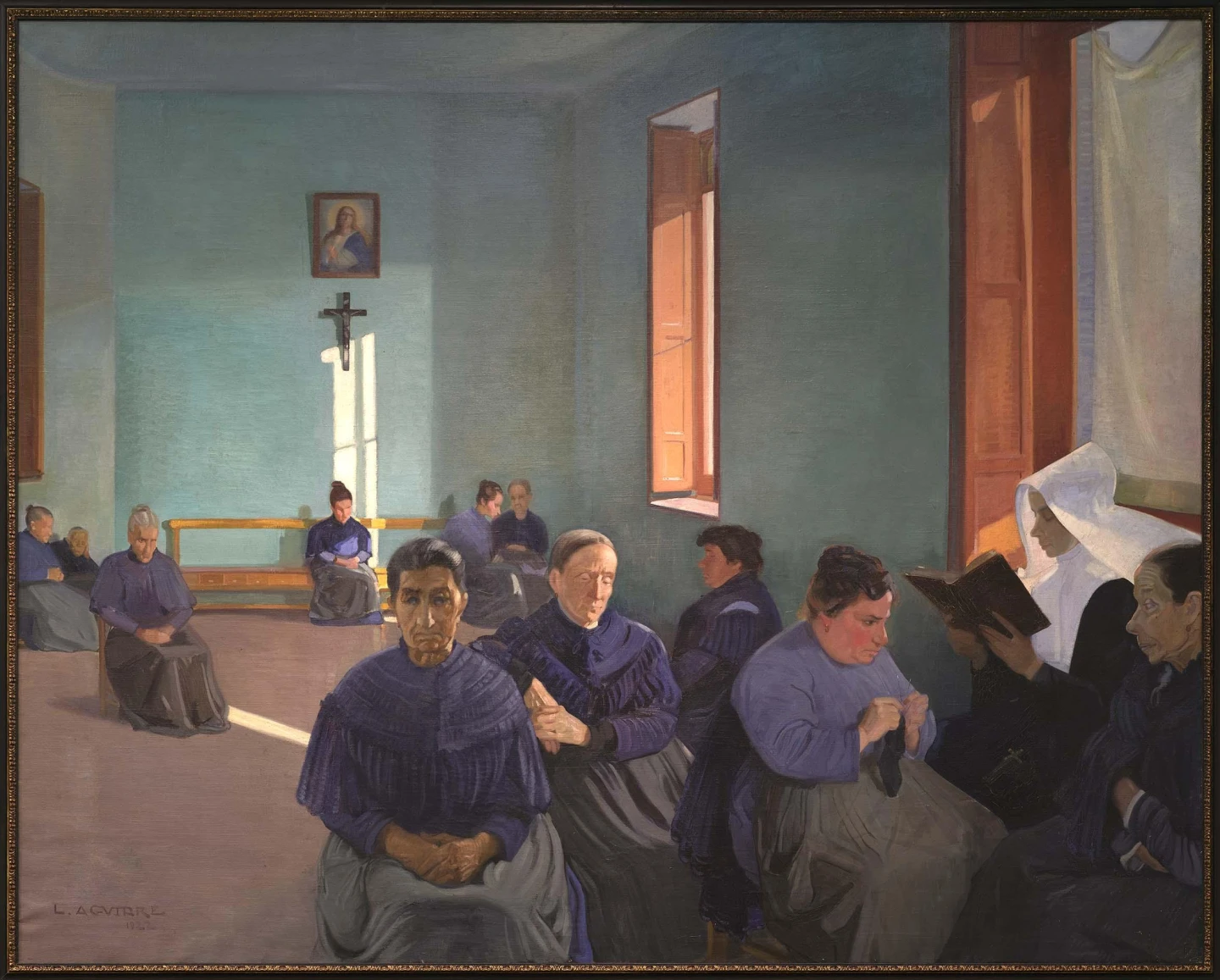
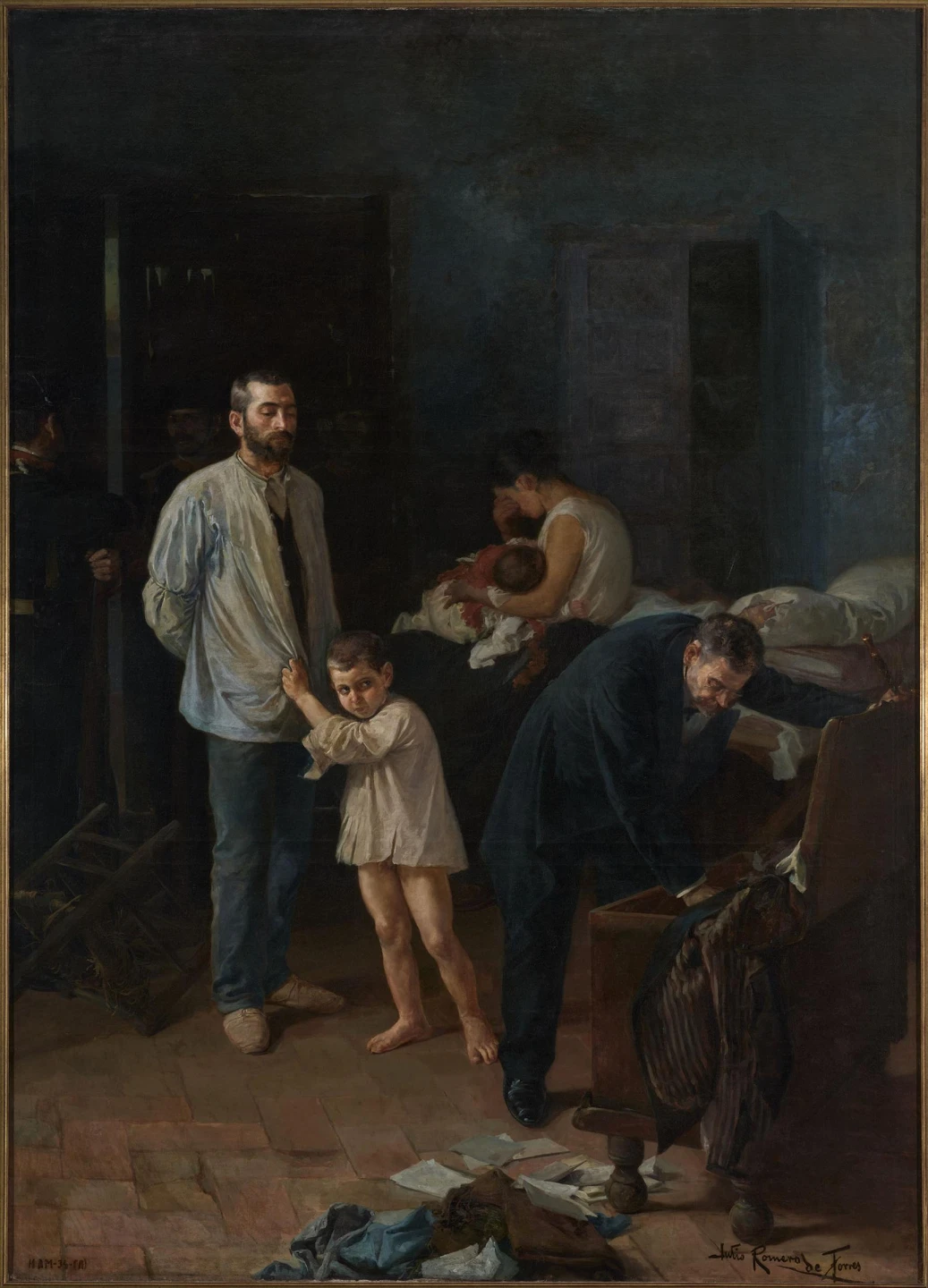
In parallel, events such as the Tragic Week of Barcelona, different markedly anarchist attacks and the political assassinations of presidents José Canalejas and Eduardo Dato thrust into the public sphere a presence that was reflected in academic painting. Discernible within this painting was a formal dialogue between photography and fine arts, and an interest in the working-class conditions that had been appearing in a progressively developing genre: social painting, and its progressive upending, in salons and awards, of traditional history painting. Thus, a social archetype of the anarchist started to be forged, one that was stigmatised by State powers and large sections of the press; a figure represented with ambiguity, sometimes with paternalistic or sentimental visions focused on preserving the status quo of the ruling classes. As a result, the ostensible social protest was tempered by a generic feeling of humanity, although a path did begin to open in painting by way of more contemporary motifs which cast light on aspects such as the presence of women in the sphere of paid labour, political violence or uprisings and their suppression by police forces.
7 artworks



Room 208.02
Labour Dispute, Decent Housing
Room 208.04
Armand Guerra: La Commune (The Commune), 1914