Room 206.03
Carl Einstein. The Masses Are the Artist
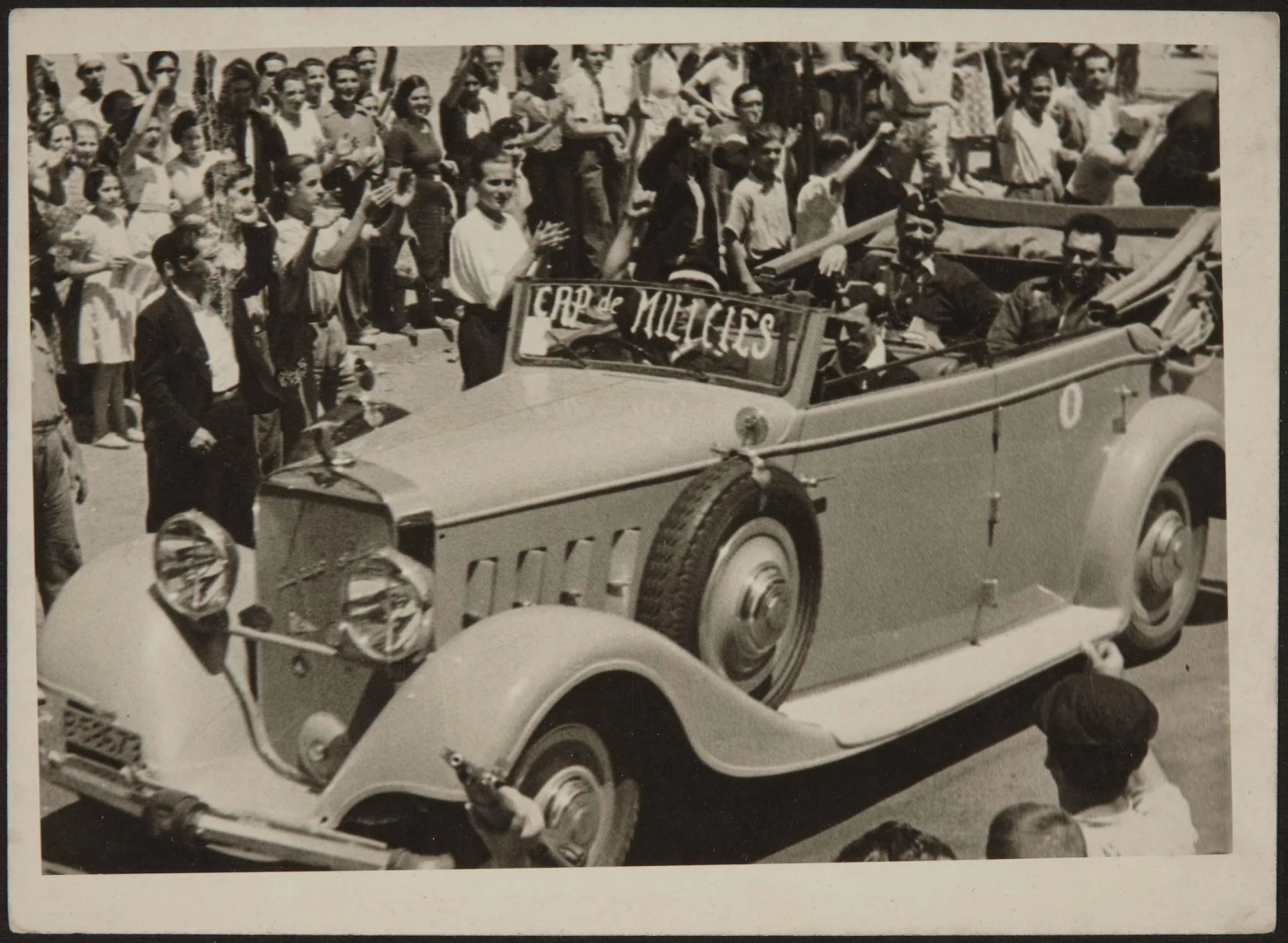
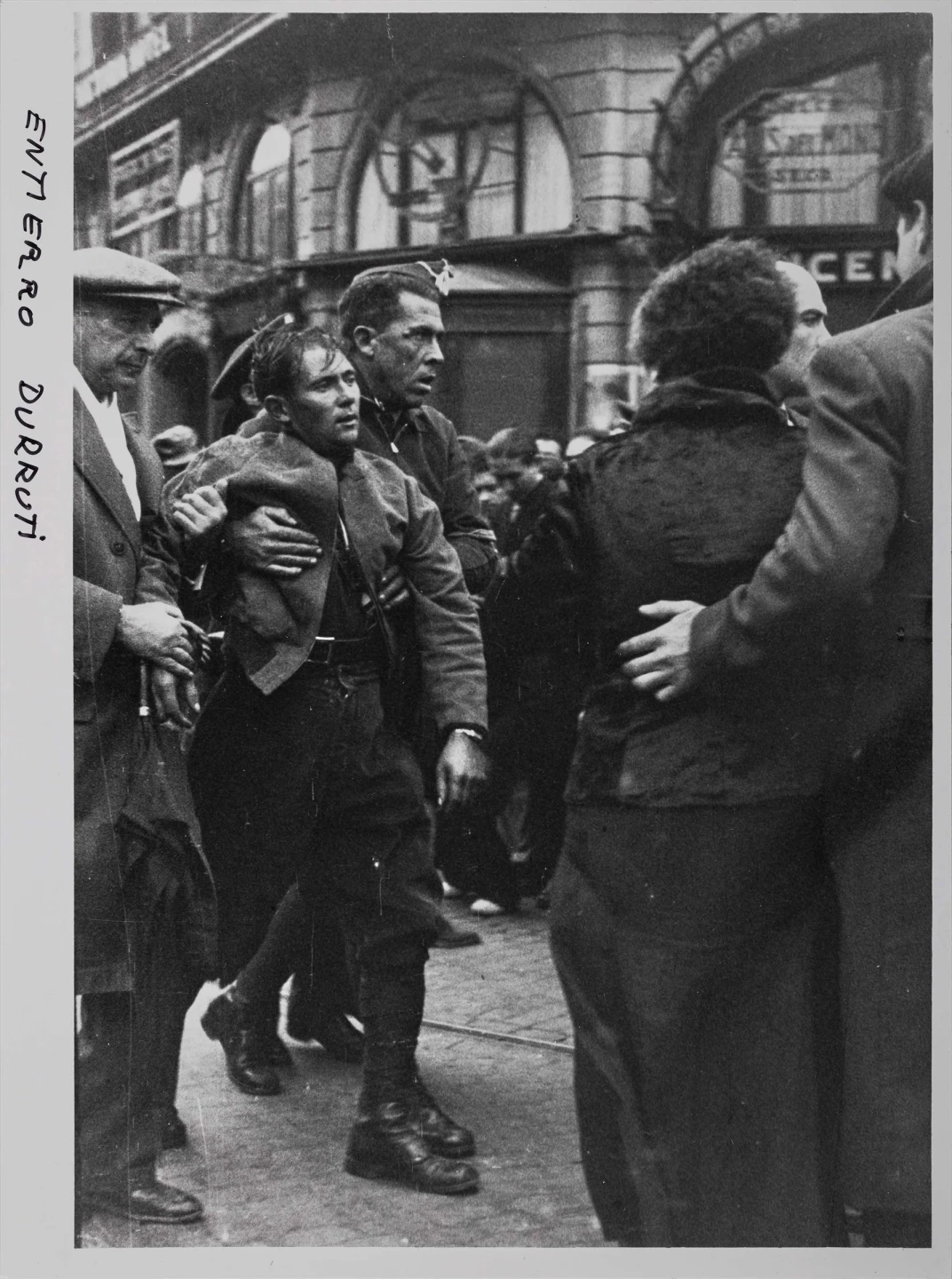
Carl Einstein was an avant-garde poet and writer, theorist and art critic, with the conviction that the search for other ways of seeing the world entailed political responsibility. He conceived artistic creation as a process to transform the human being and reality, distanced from the idea of individuality. According to Einstein, art stands for a revolt against tradition which starts from self-perception: “The act of looking is always equivalent to combat”, he asserted. This belief would find a parallel in his political commitment, driving him to fight in the Durruti Column in the Spanish Civil War. In the historic speech he read out at the burial of an anarchist leader who was killed in combat, he declared that this had suppressed the vocabulary of the pre-historic “I” for a “collective syntax”.
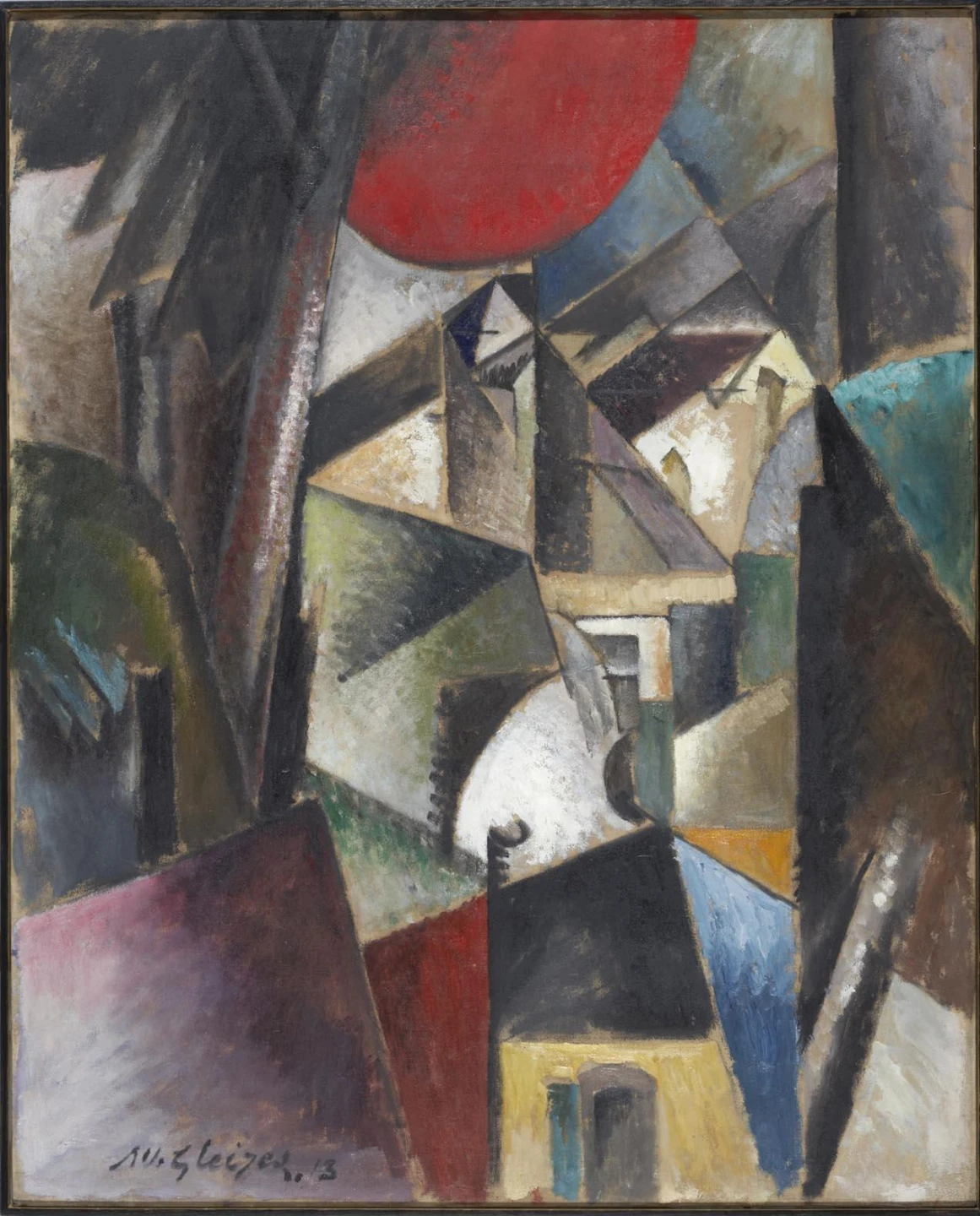
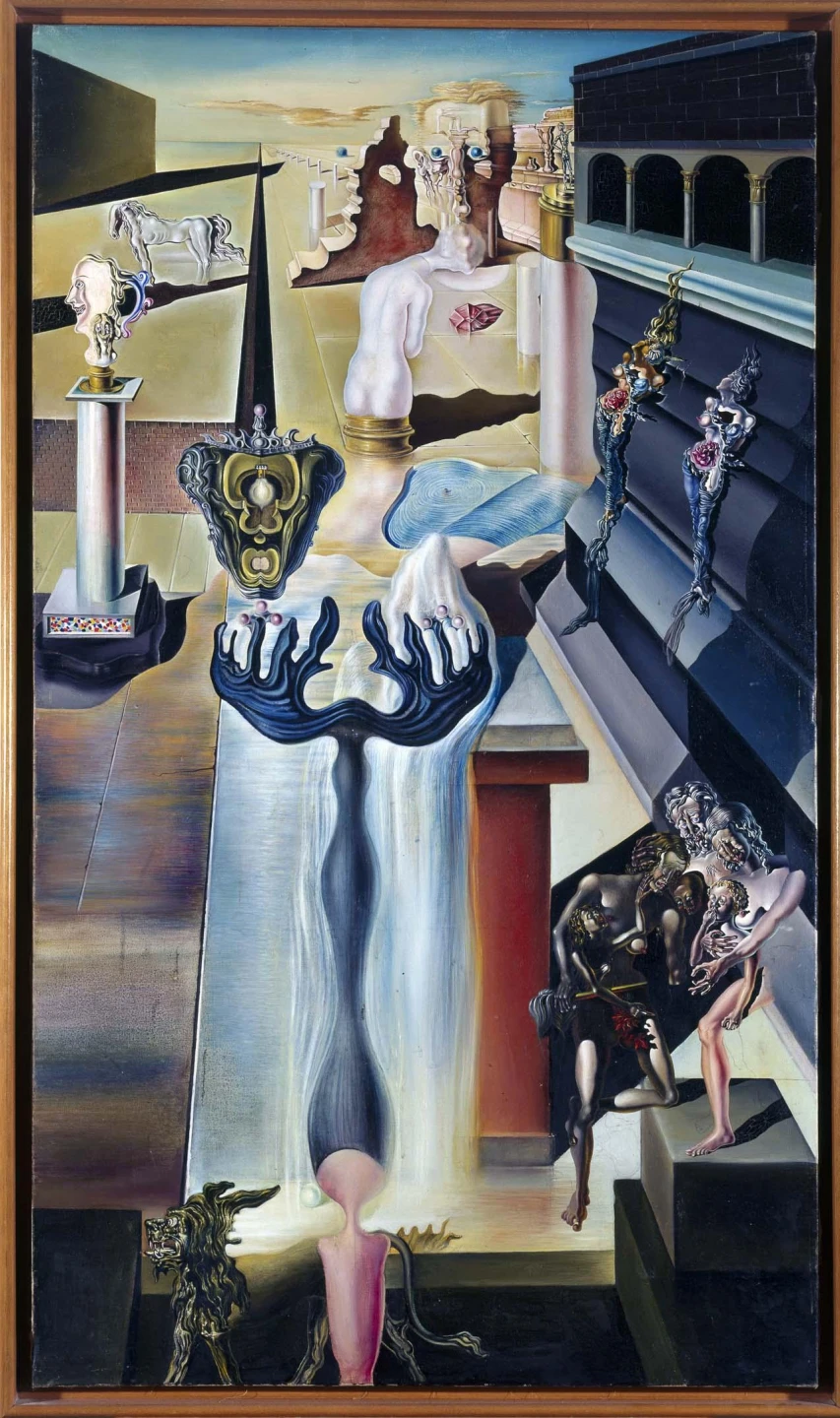
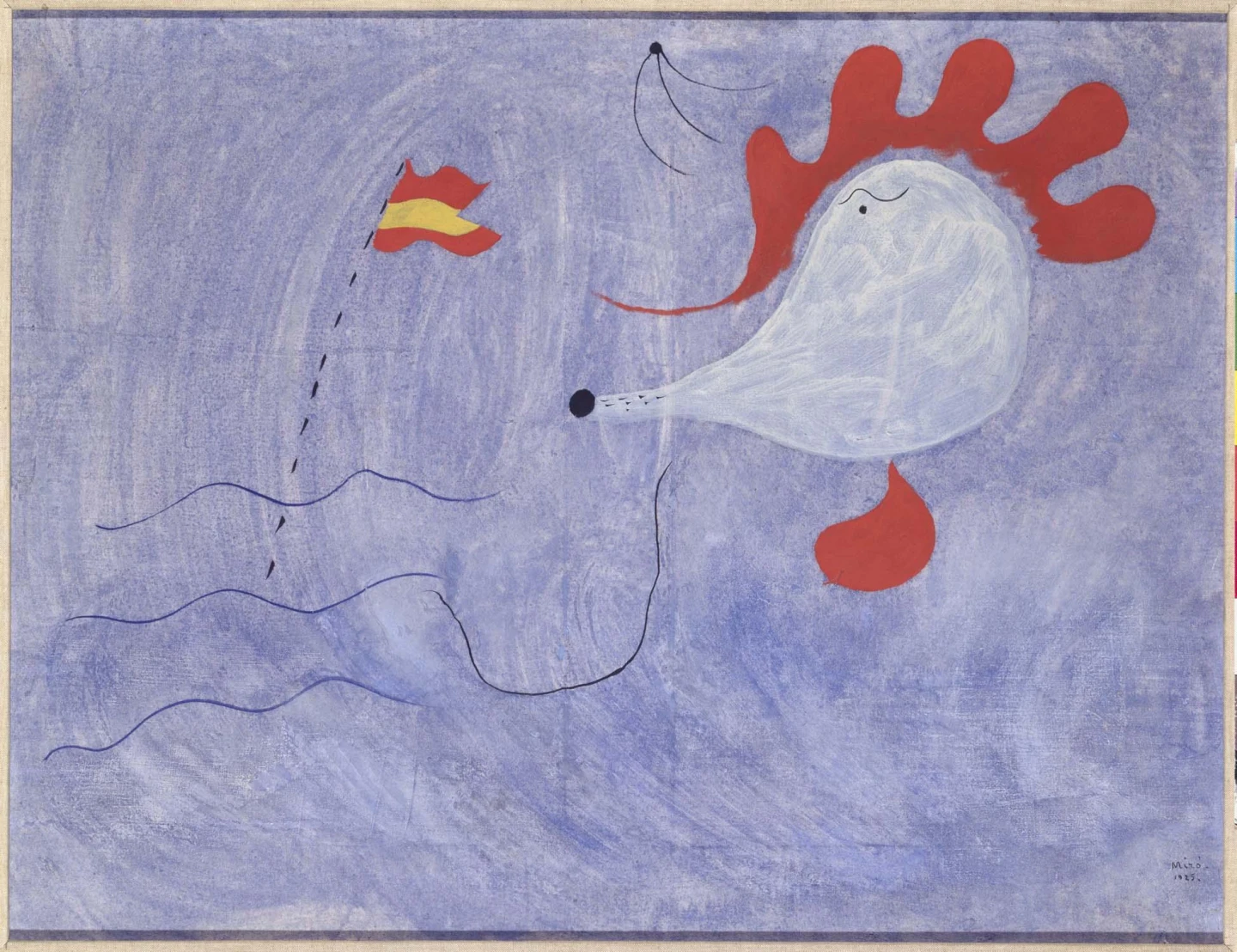
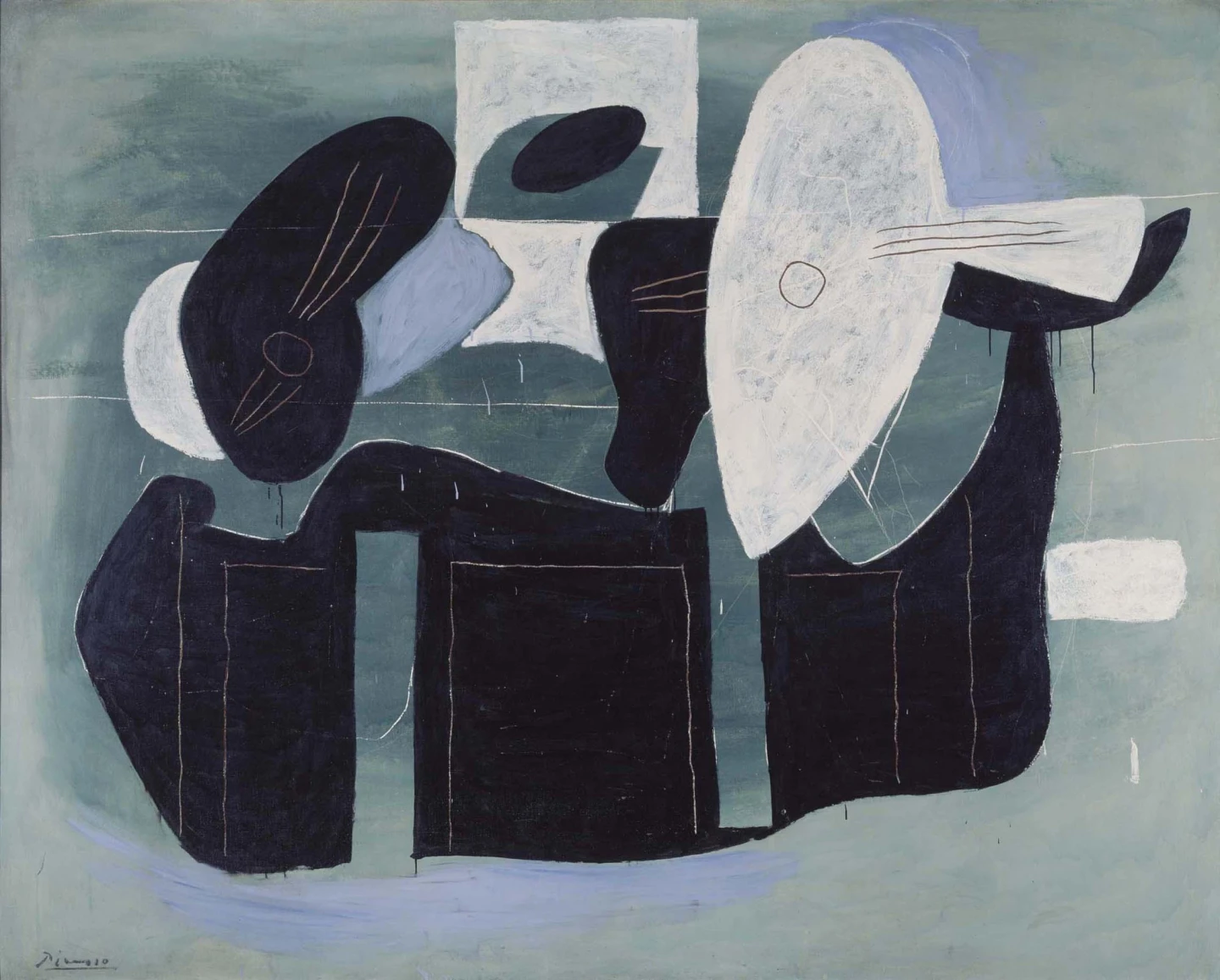
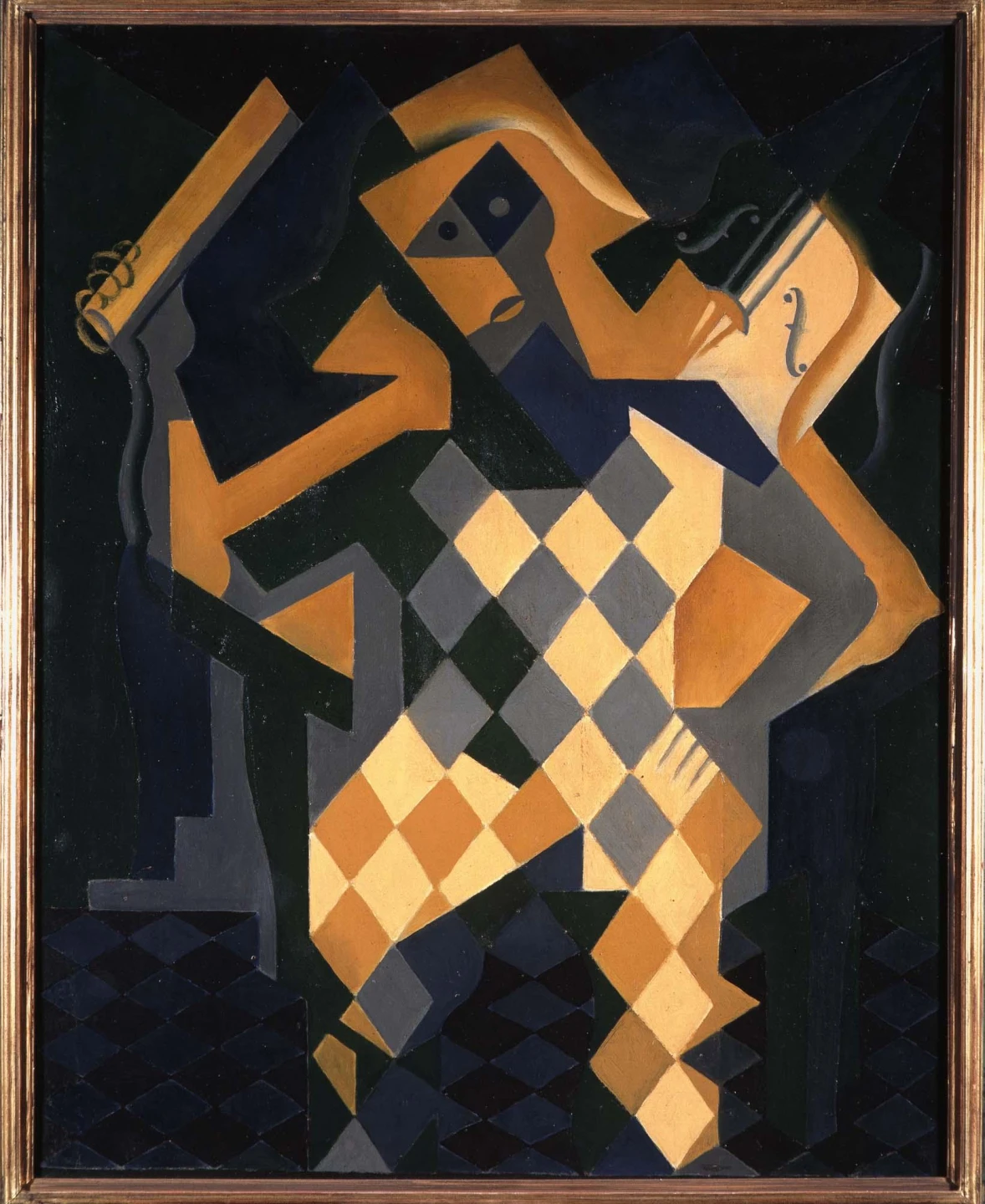
His stance against the individualist conception of the Western subject stretched across his entire practice and, thus, in his study of African plastic art he reached the conclusion that it was fundamentally social, plural and political. Displayed in the room are the different African masks he collected (of Yoruba, Senufo, Baule and Punu origins), along with examples of the contemporary artists that were the subjects of his writings. For Einstein, the overlapping of different times and spaces seen in these African carvings corresponded to that staged by Cubism. Yet in contrast to other art movements caught up in the technical representation of reality, Cubism offered an experience that was not shaped by a unique vision and afforded, more than a pictorial method, a mode of creating new structures to perceive the real and, therefore, new realities.
9 artworks




Room 206.02
Documents Magazine
Room 207.01
Barcelona, Neutral City