Room 202.02
New York. Skyscrapers and Modernity
New York was built as the great urban utopia to show the world how modern life could be imagined and lived. An industrial and economic point of reference, it transformed into a racially diverse city, a “city-world” which needed to develop its urbanism, architecture and transportation to accommodate a growing population that germinated from mass migration, the seed of diversity that would lend the metropolis its uniqueness. With these elements combined and the geographical limitations of Manhattan Island, New York opted to expand upwards, giving rise to a new type of architecture — the skyscraper — the height of which was directly proportional to the technical challenge it presented.
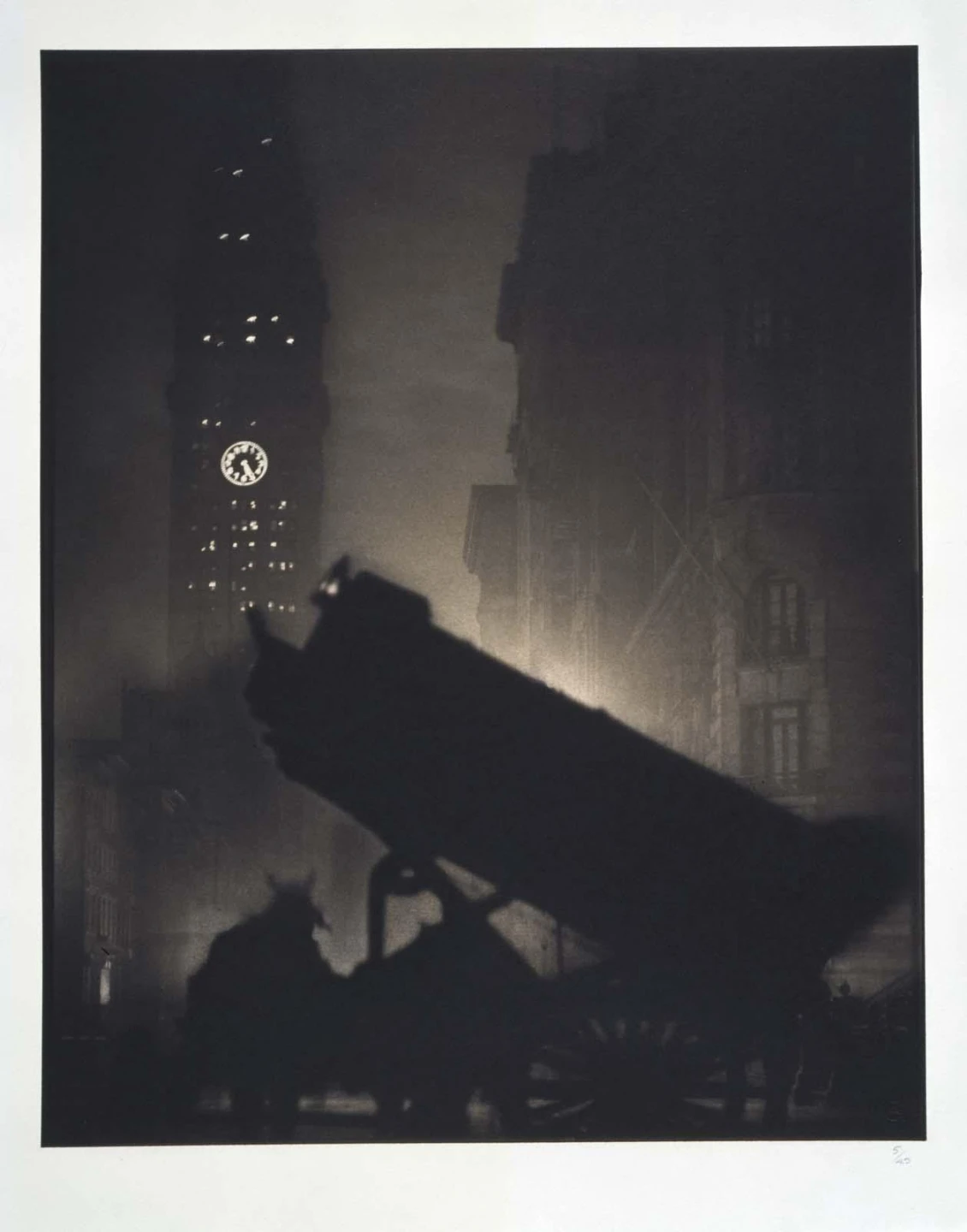
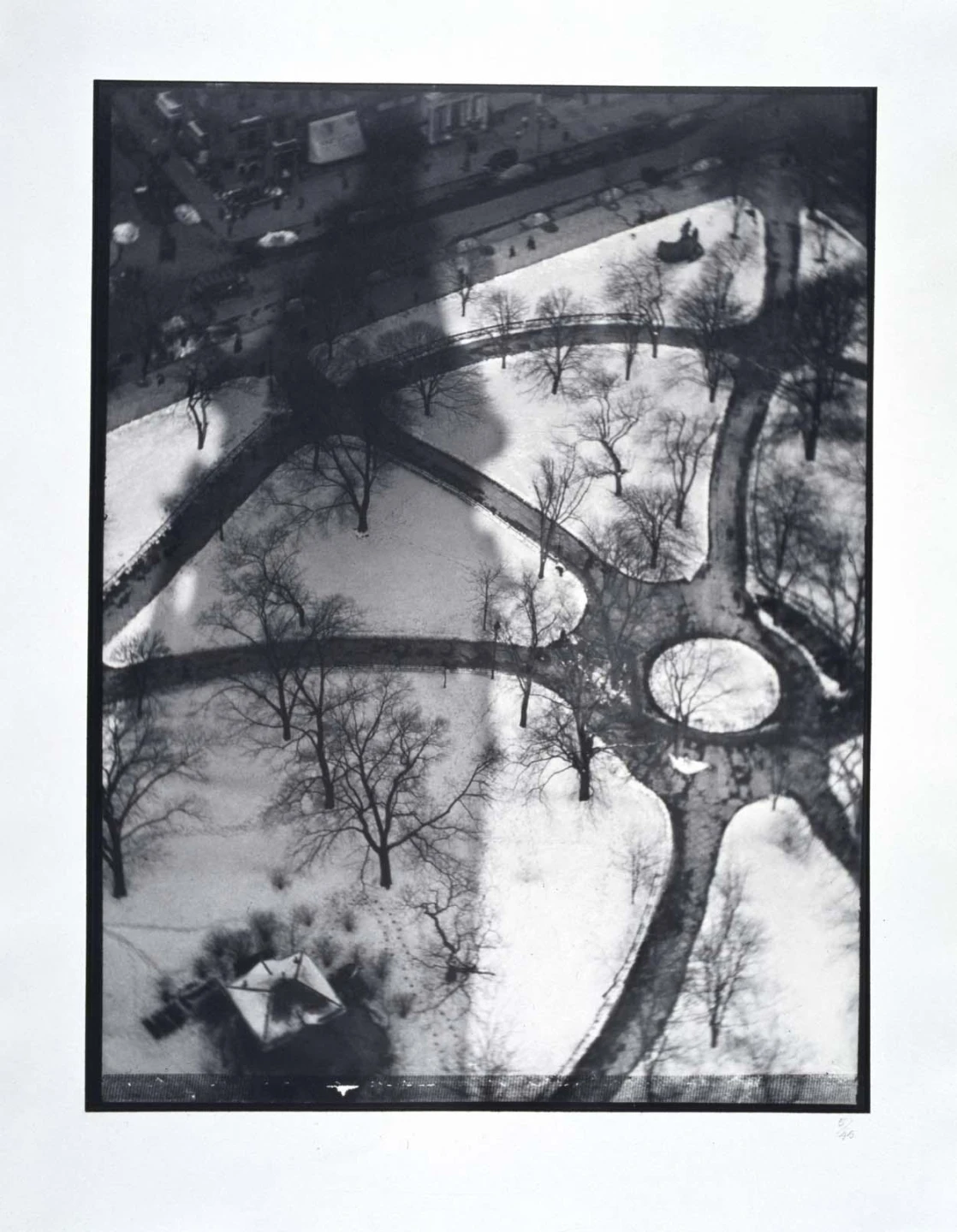
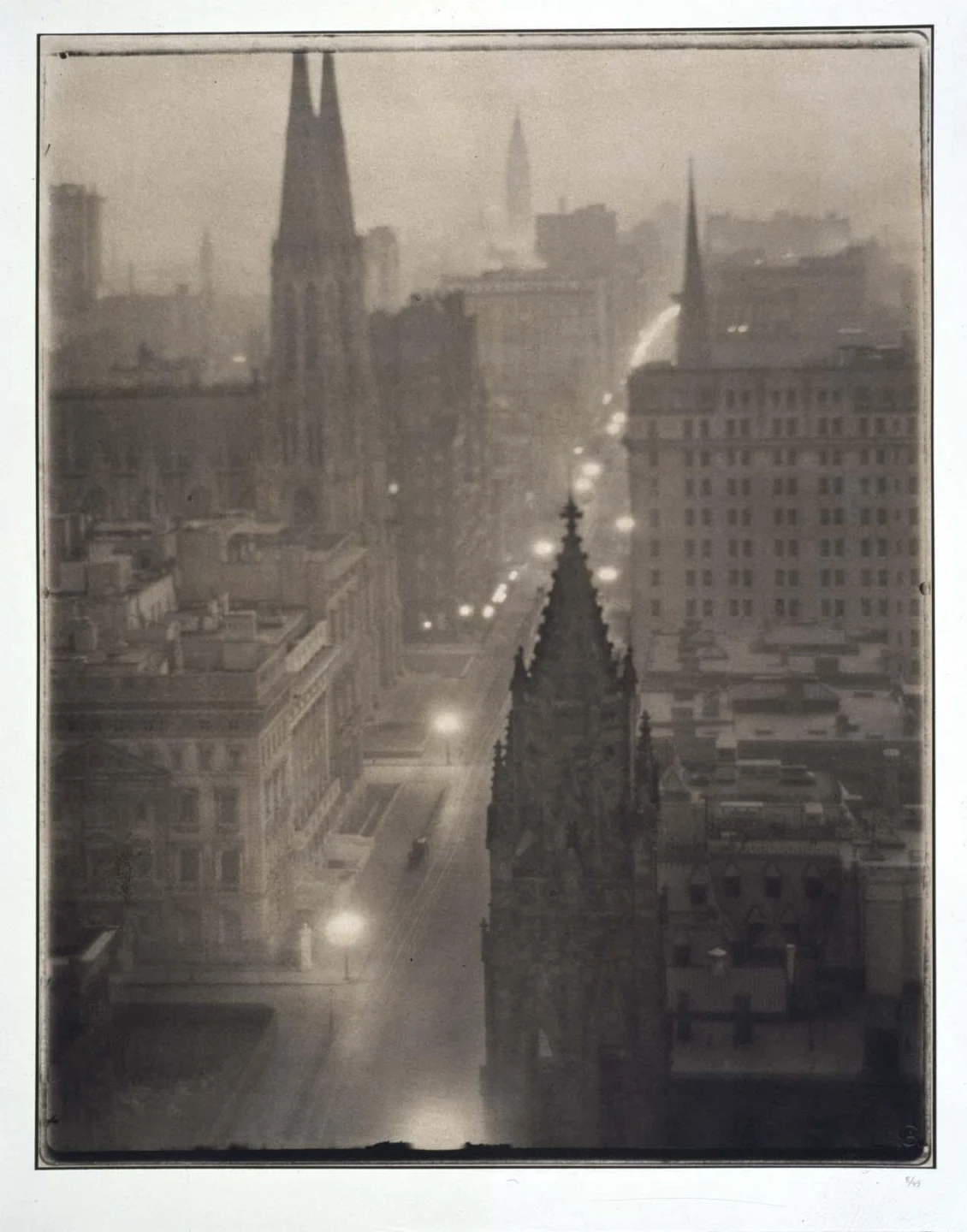
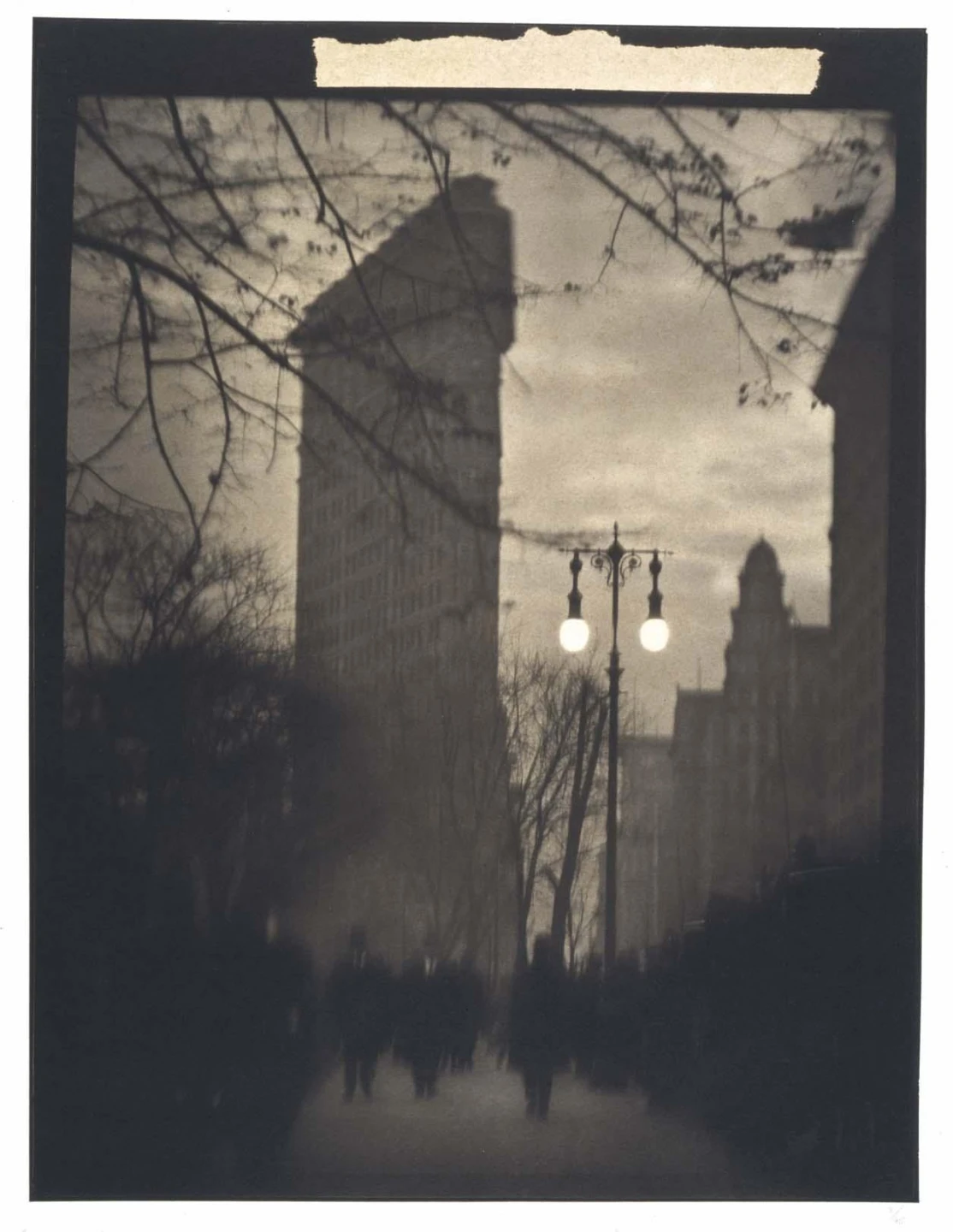
Such vertical architecture was a tour de force of popular culture: through film, photography and literature it would become the vernacular image of Americanness. Photographers and film-makers extensively documented the new city, emulating through the intrepid viewfinders of their cameras the modernity of architecture and the transformation of an area at once modern and mythical. Architecture and urban spaces accordingly became the subject of a photographic research process that facilitated the passage from the Pictorialist movement, with closer ties to painting and its stagings, to a more direct style, devoid of manipulation, seeking to address reality in all its breadth, without dismissing the everyday or abstraction.
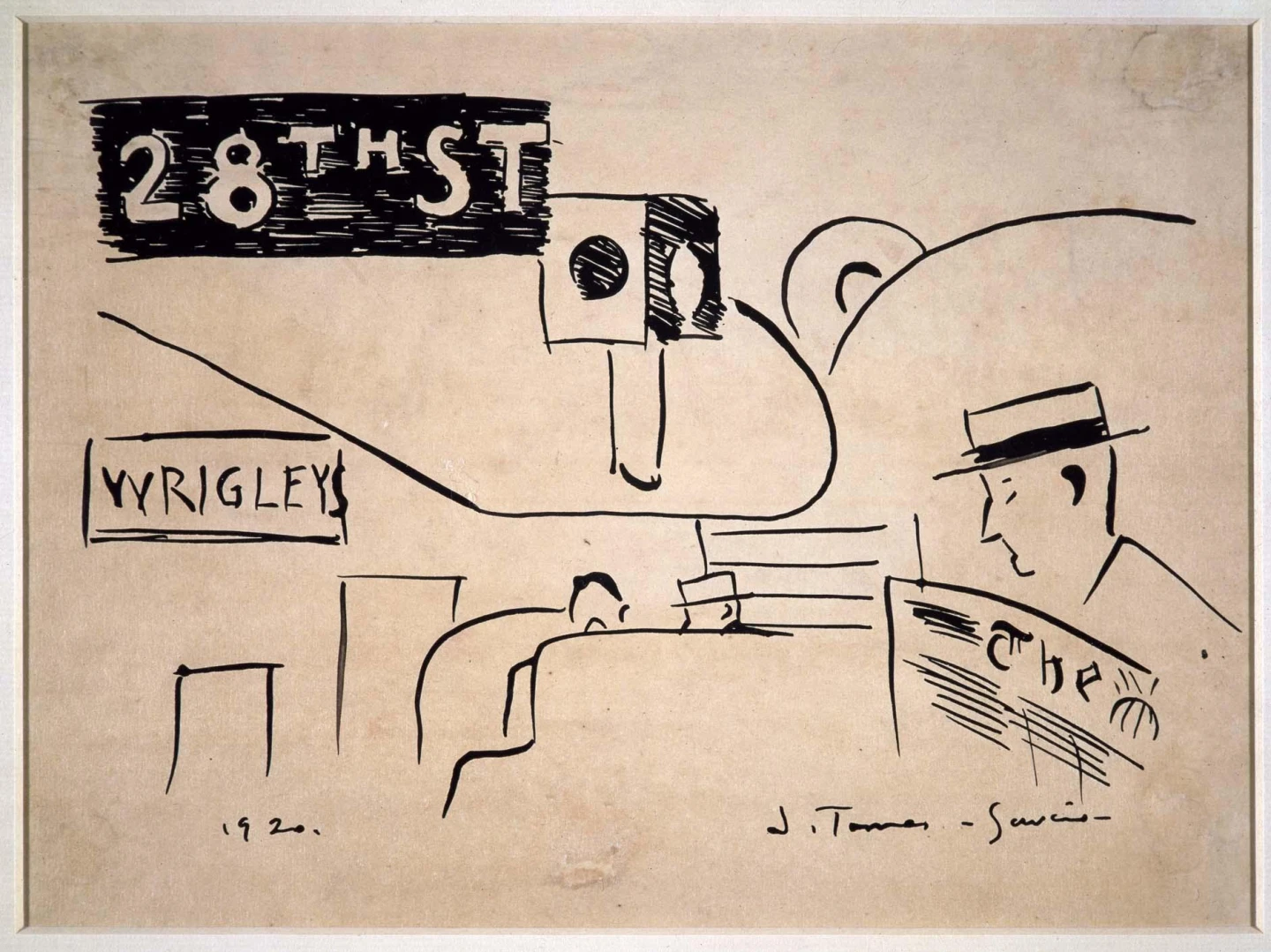
For those arriving from various Latin American countries, the prime destination of their maiden voyage would be New York, the new two-shored melting pot, rather than Europe. In fact, foreigners became the agents who acted as a bridge to the old world and carried far and wide the message transmitted by the modern city, with its dizzying constructive and mechanistic universe of speed and publicity.
21 artworks


Room 202.01
Model Cities, New Architecture
Room 202.03
Stridentopolis. An Urban Utopia