Room 204.01
Cubism, the First International Language
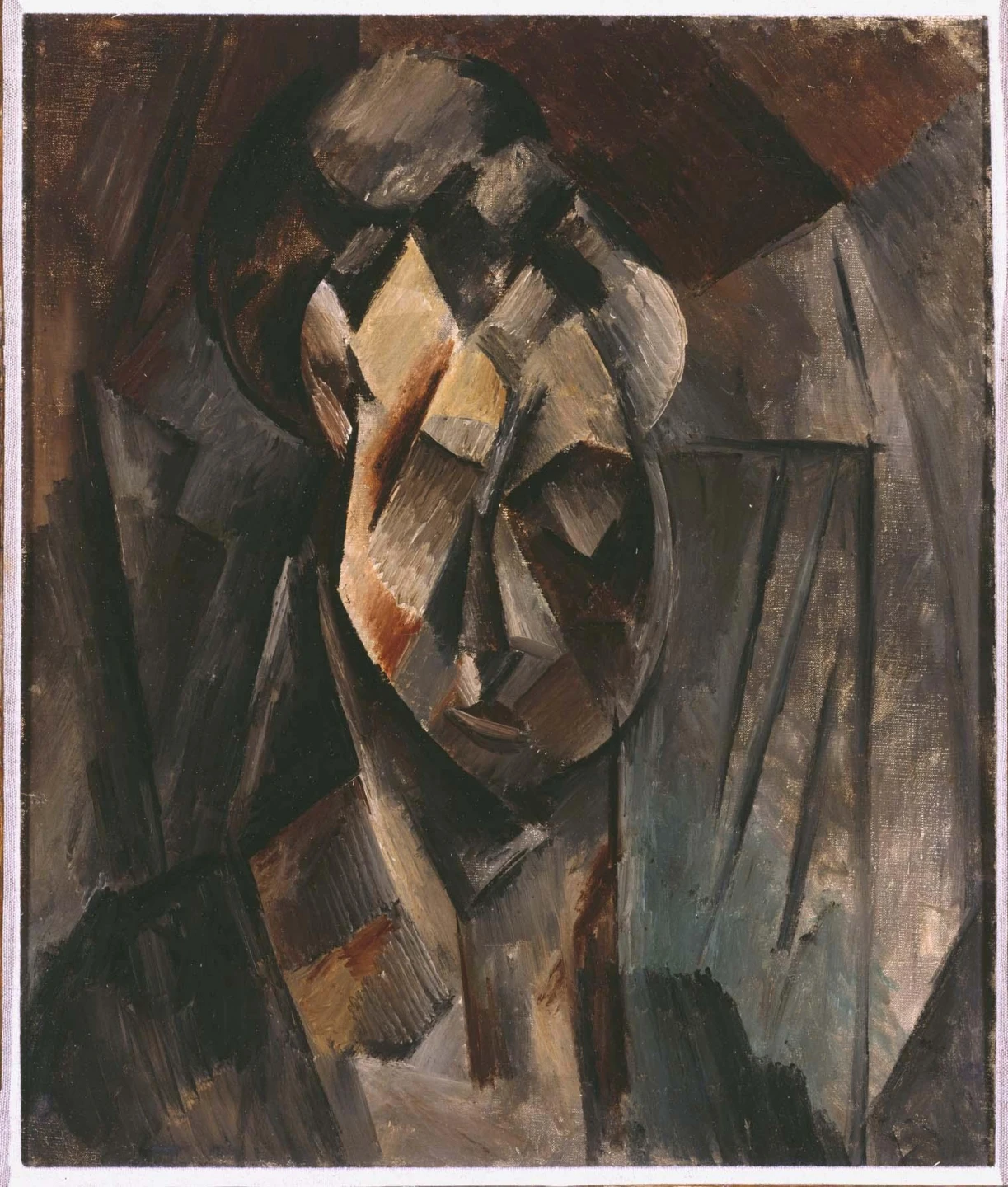
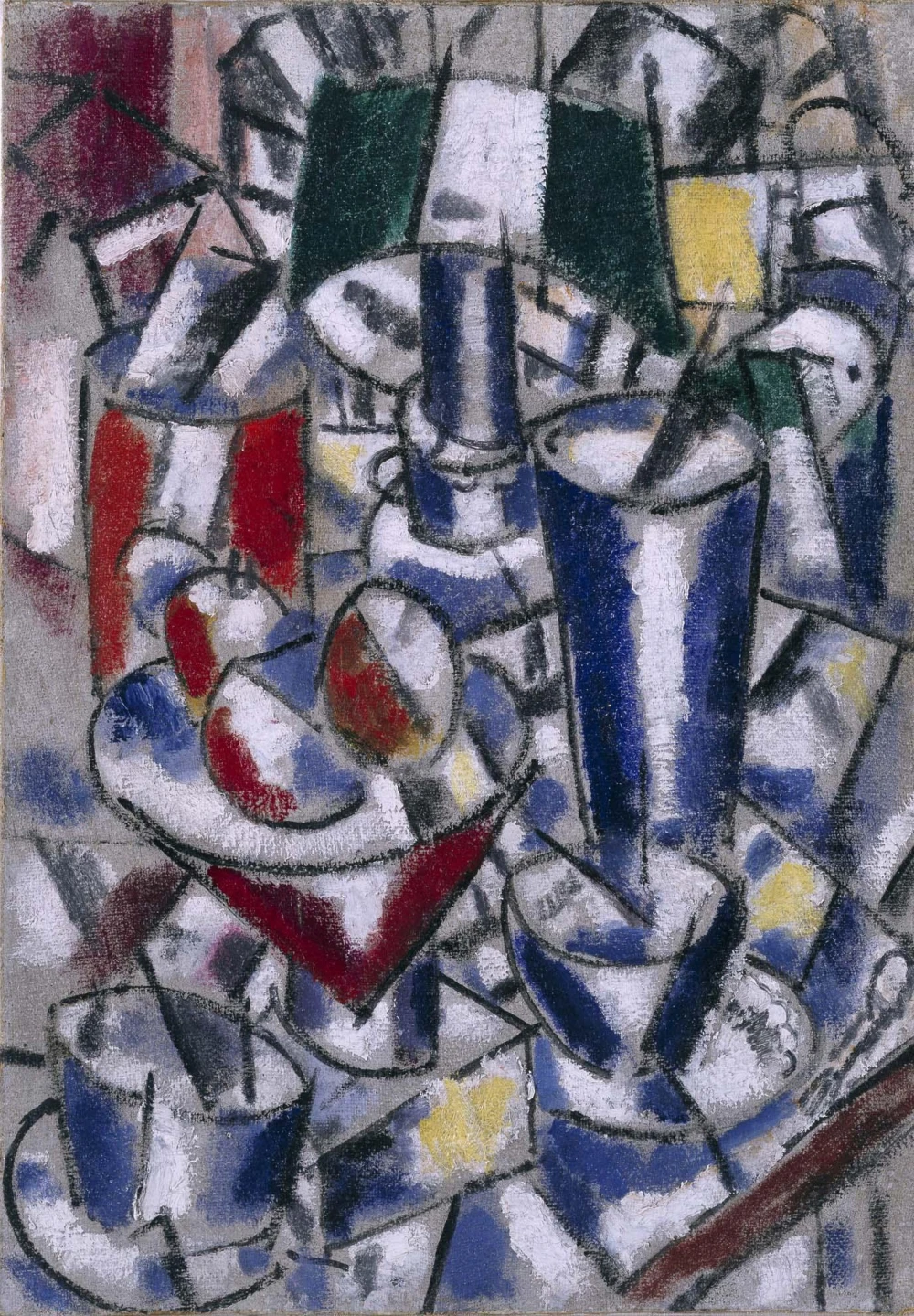
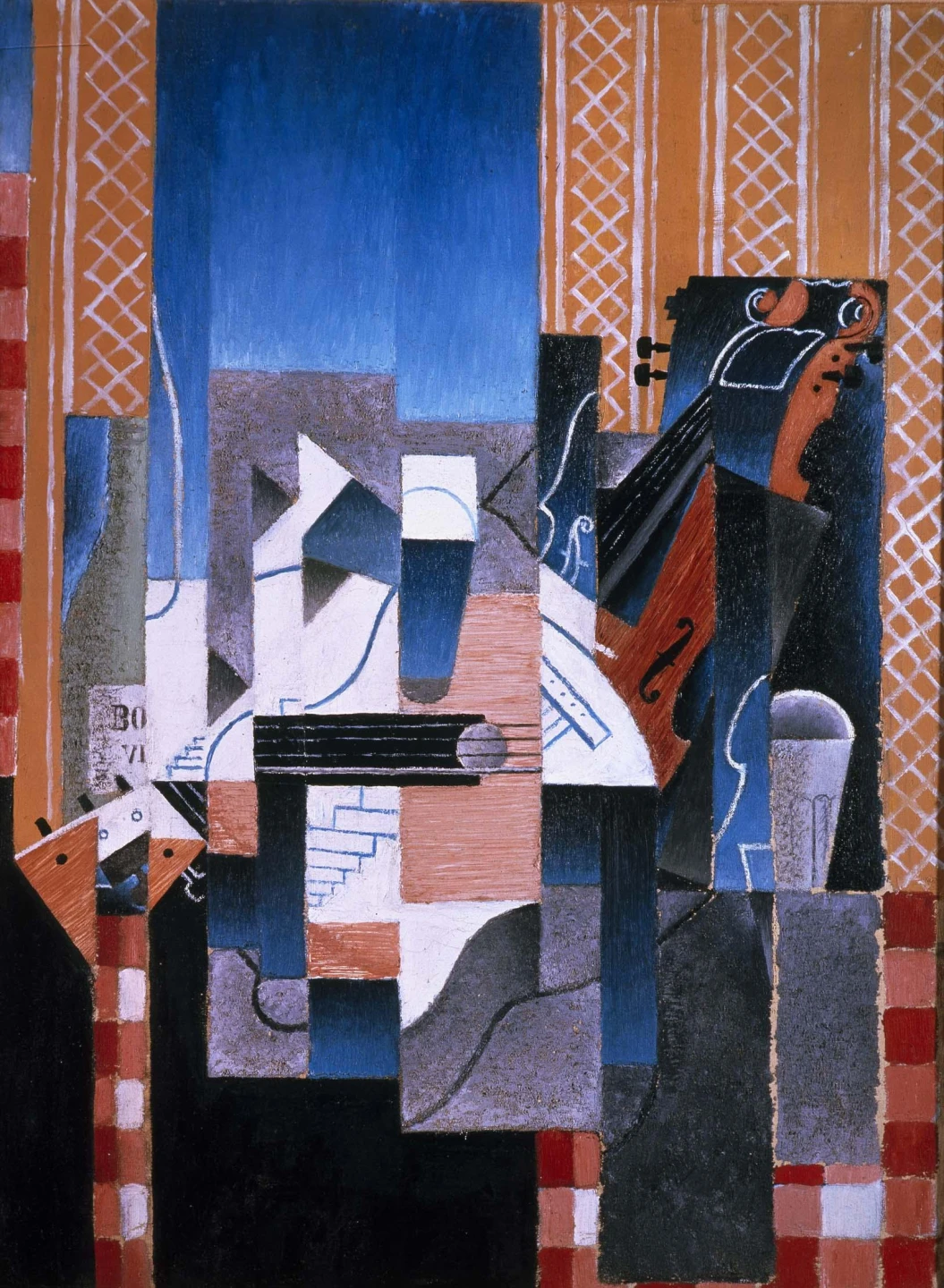
Ideas of diversity and plurality were pivotal to the development of the Cubist approach, from both a formal perspective, given that Cubism imparted new representations of reality from different facets, and from a cultural and geographical point of view, since it was a deterritorialised movement with a presence in different contexts. With the aid of the Telefónica Collection, loaned to the Museo Reina Sofía, these rooms set forth a multifaceted and transnational vision of Cubism.
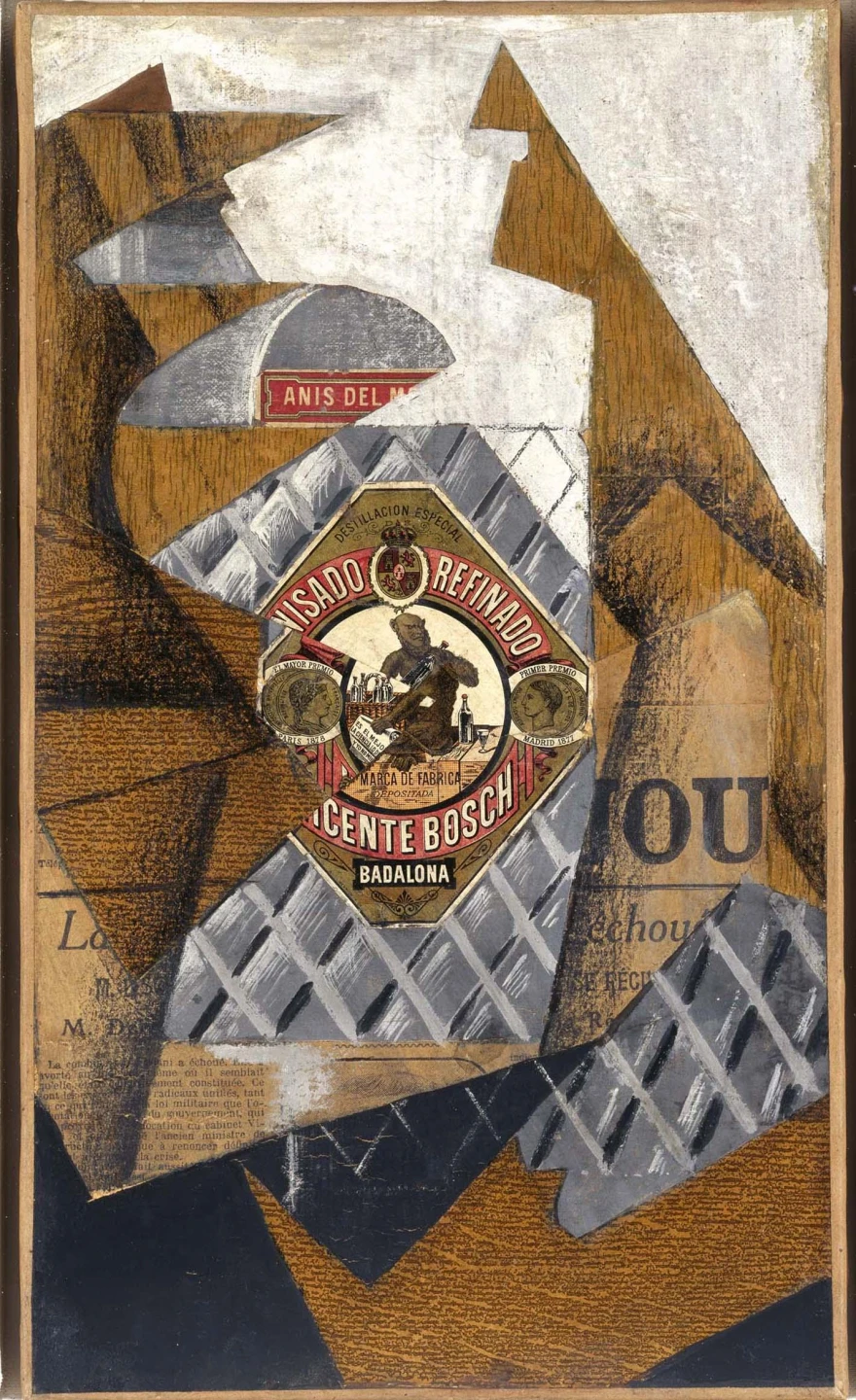
Key to the evolution of the movement was, firstly, the role of the press, manifested by incorporating press clippings directly into papiers collés, and more pertinently, the groundswell of debate in French newspapers. In these publications, Cubism was labelled cold, geometric, intellectual, monotonous and… foreign in an increasingly nationalistic France. The support of young gallerists and art dealers would be decisive in its progressive acceptance, as would the backing of writers such as Guillaume Apollinaire and their attempts to counter the bad press around this new visual language with the publication of essays and positive reviews in literary magazines with avant-garde leanings such as Le Paris Journal and L’Intransigeant. A further source of support came from small-scale, low-cost, easily distributable literary magazines made with re-usable materials. These publications facilitated the exchange of ideas and the sharing of spaces of reflection. As a result, Cubism developed into a lingua franca through the international dissemination of L’Elan, SIC, Nord-Sud, Der Sturm, Camera Work, La Voce and Lacerba. The consolidation of the movement in France was only made possible by this internationalisation and the role of foreigners, who were indispensable for understanding how this new language would become a dominant current until well into the 1920s.
19 artworks




Room 203.02
Women at the Forefront
Room 204.02
Après le Cubisme