Room 203.02
Women at the Forefront
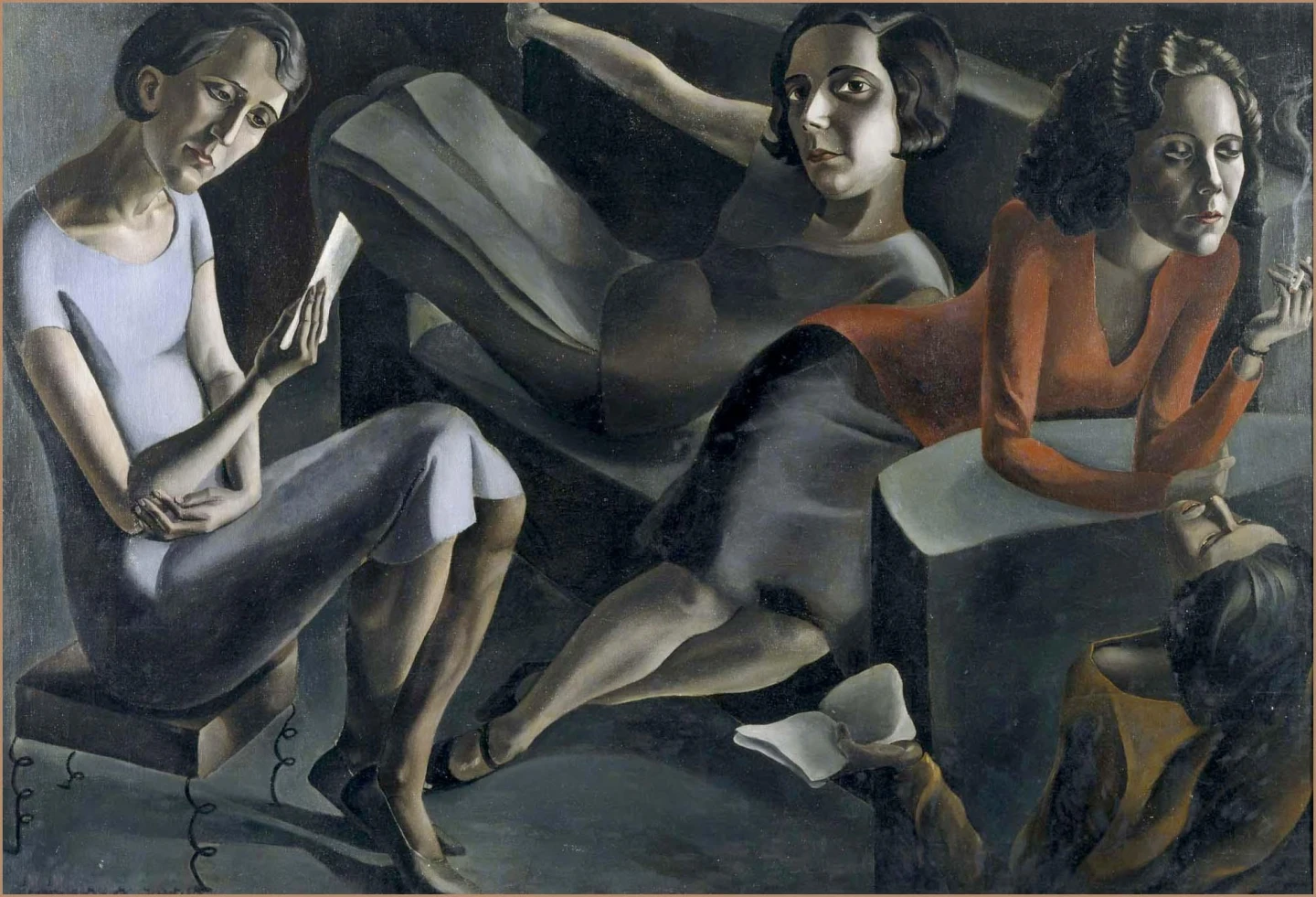
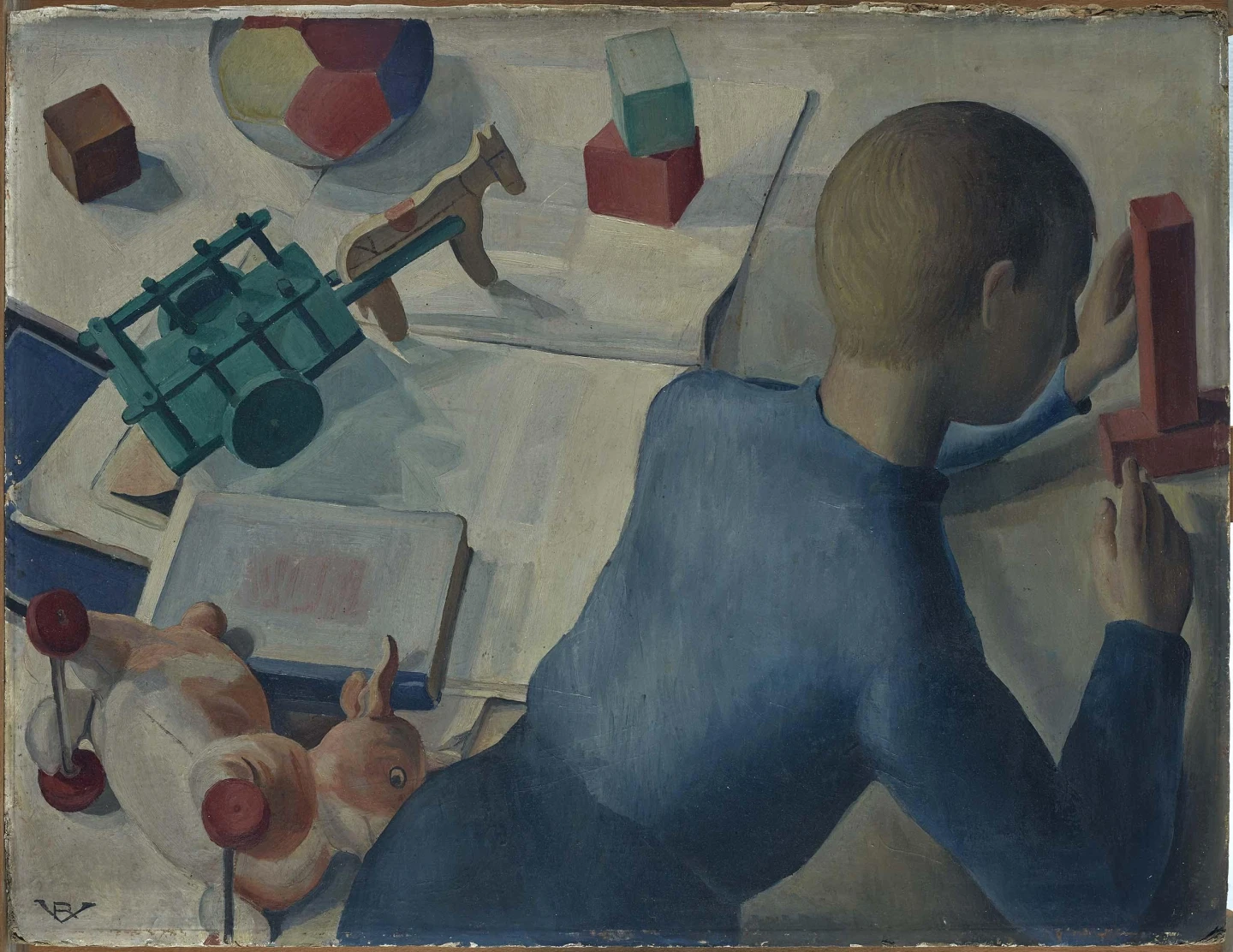
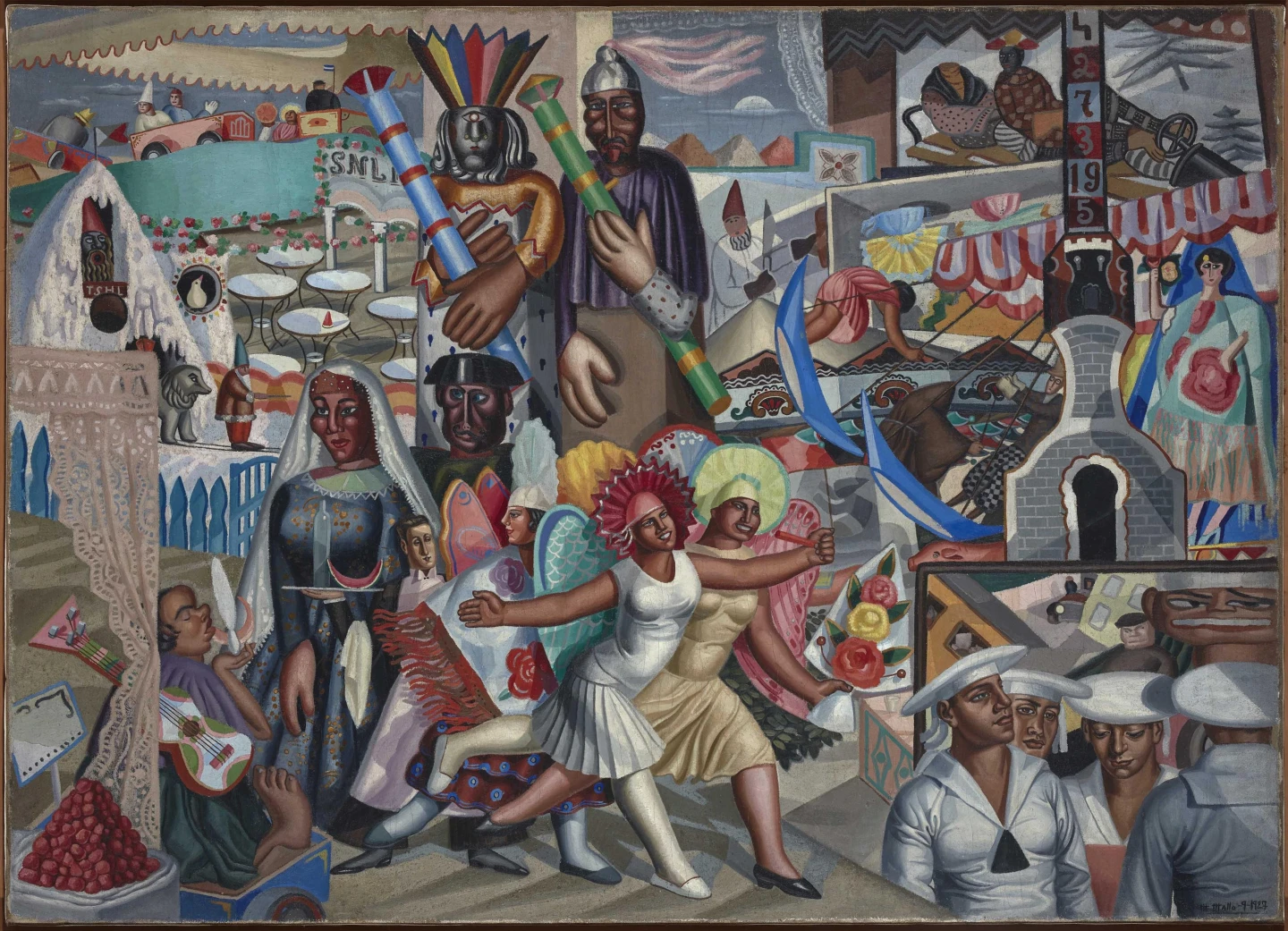
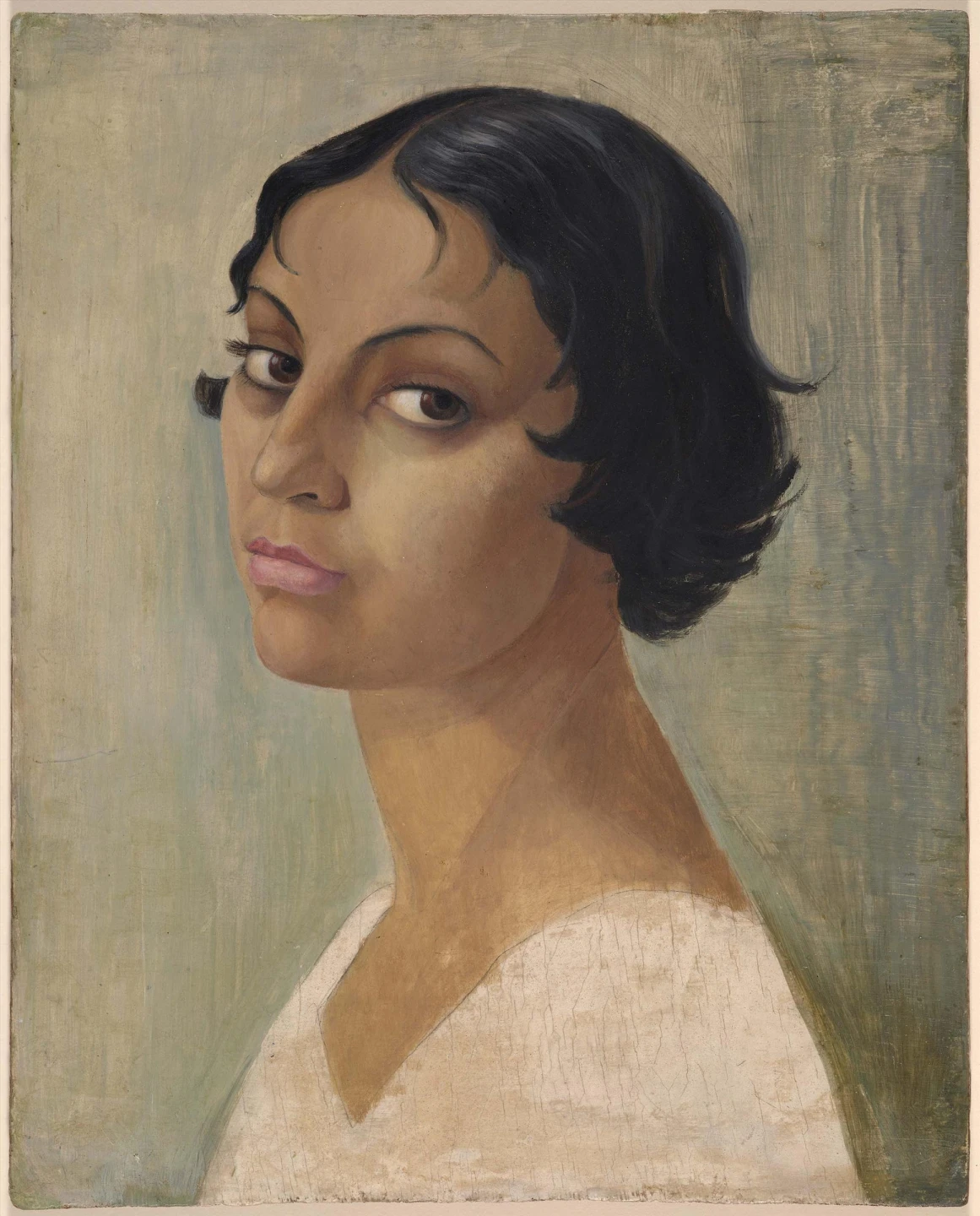
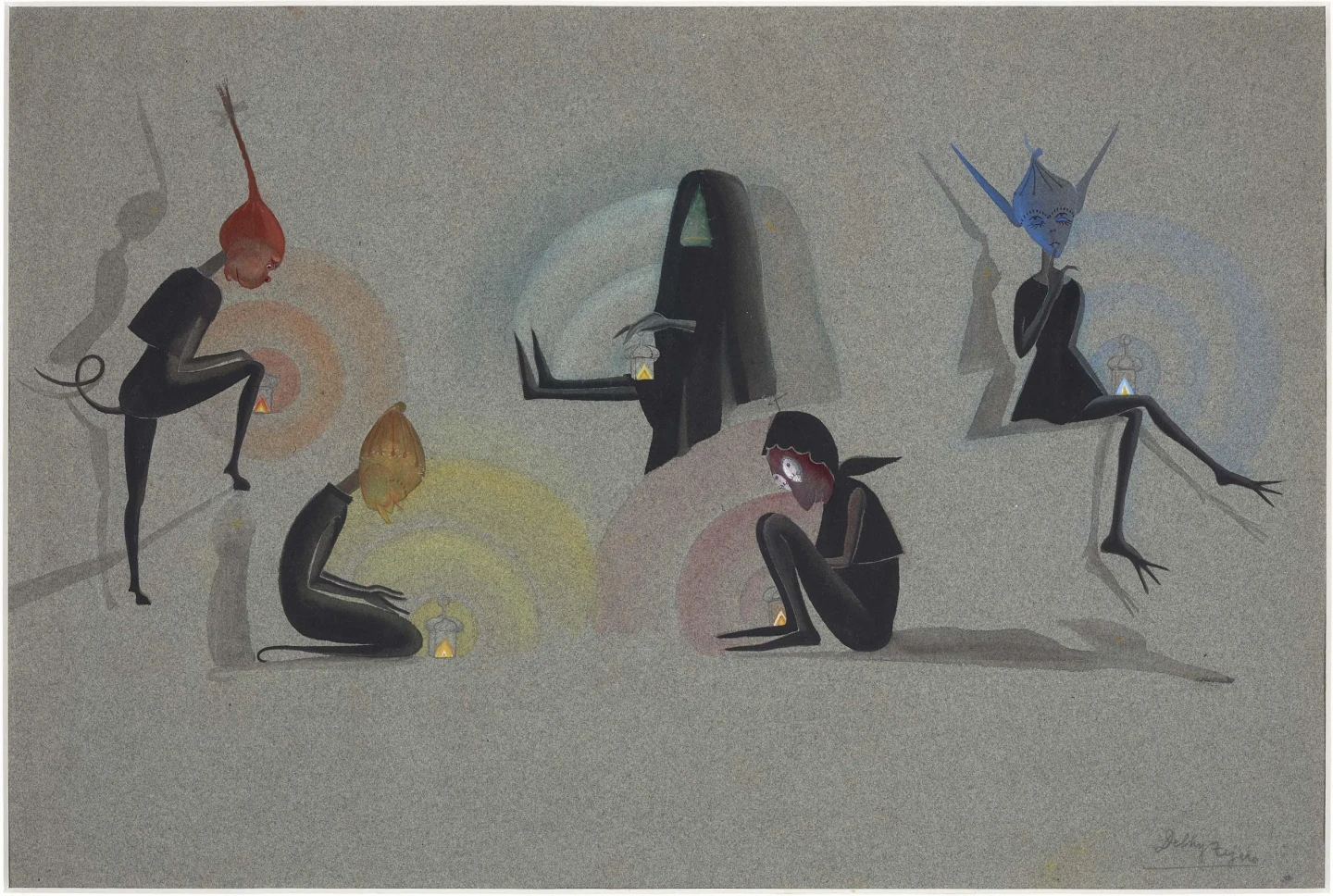
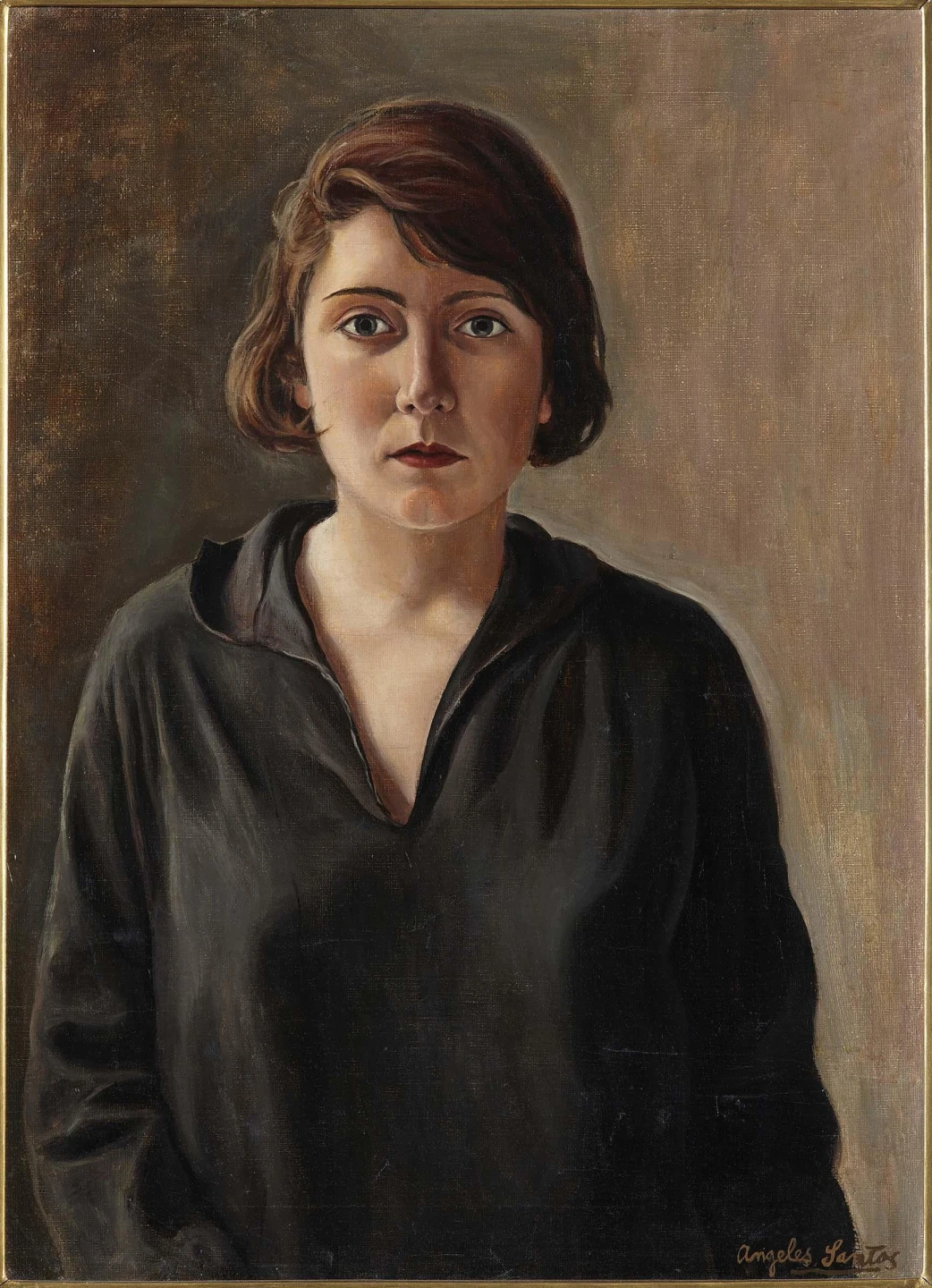
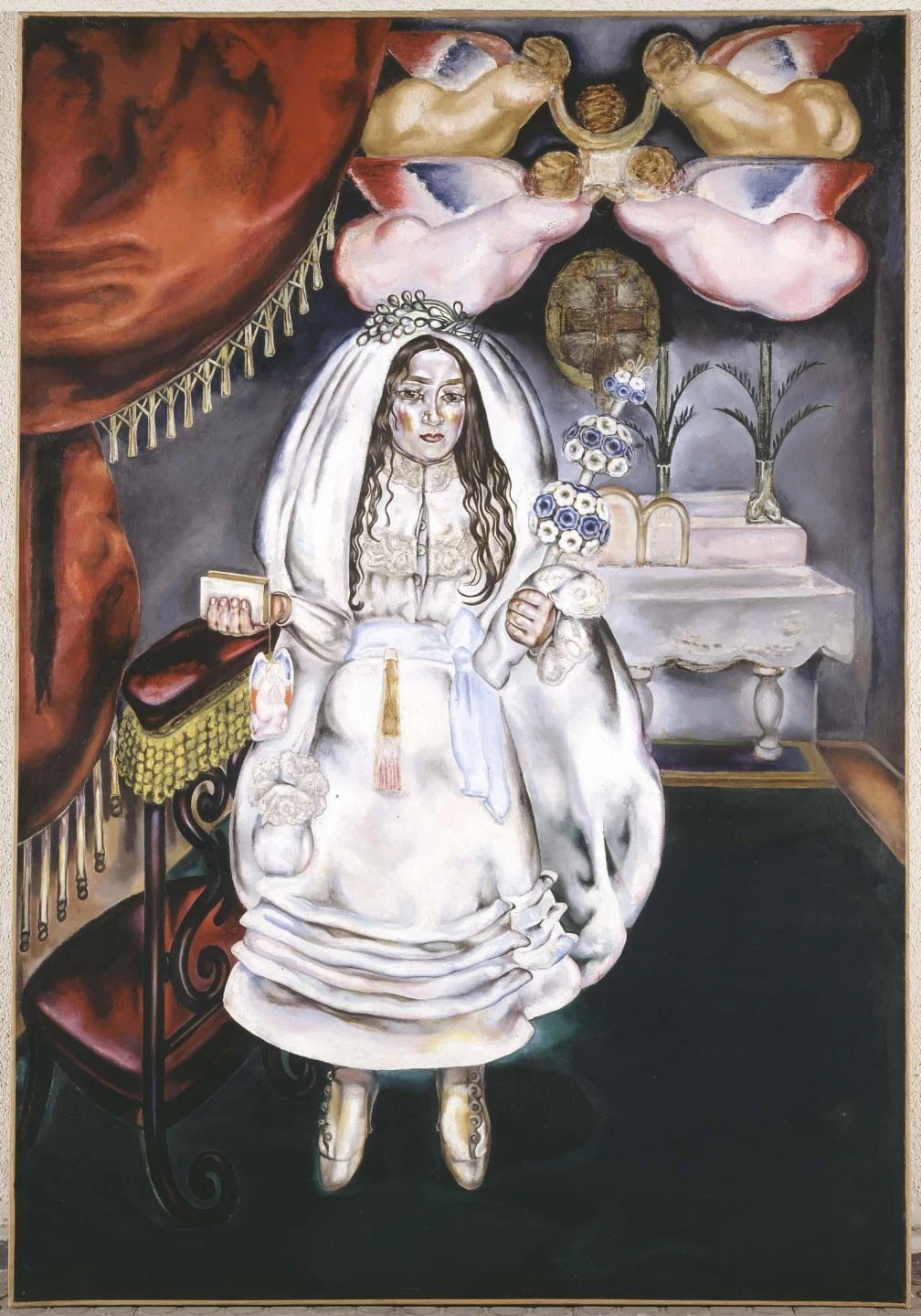
Until the twentieth century was well under way, a cultural framework to professionally contextualise women in art would not exist in Spain. The history of the first women artists of modernity is laden with exceptions within specific circumstances: urban, upper-middle class women, often with access to higher education. A small group of them managed to embark on a personal path of emancipation that would progressively lead to a more professional standing. What is more, the modern woman was aware that without education there was no emancipation, and founded upon this substratum was the Residence for Young Ladies, a women-directed project which aimed to promote women’s higher education. Thereof, other initiatives surfaced, for instance the Lyceum Women’s Club, a centre for discussion and a place of encounter. Some of the artworks that materialised from this setting render the spirit of sorority emboldened by these new spaces, which, in turn, would become places for these women to publicly display their work.
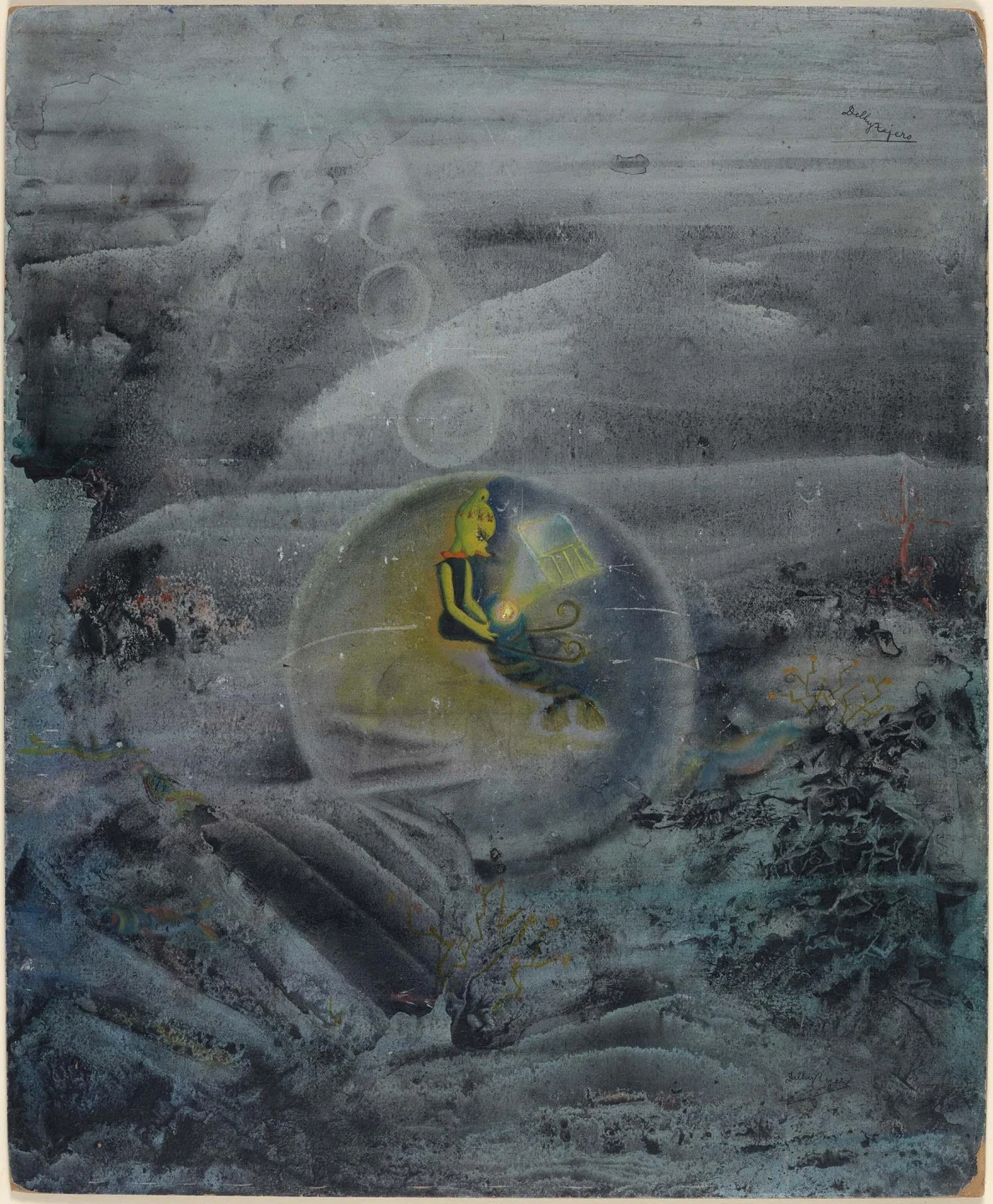
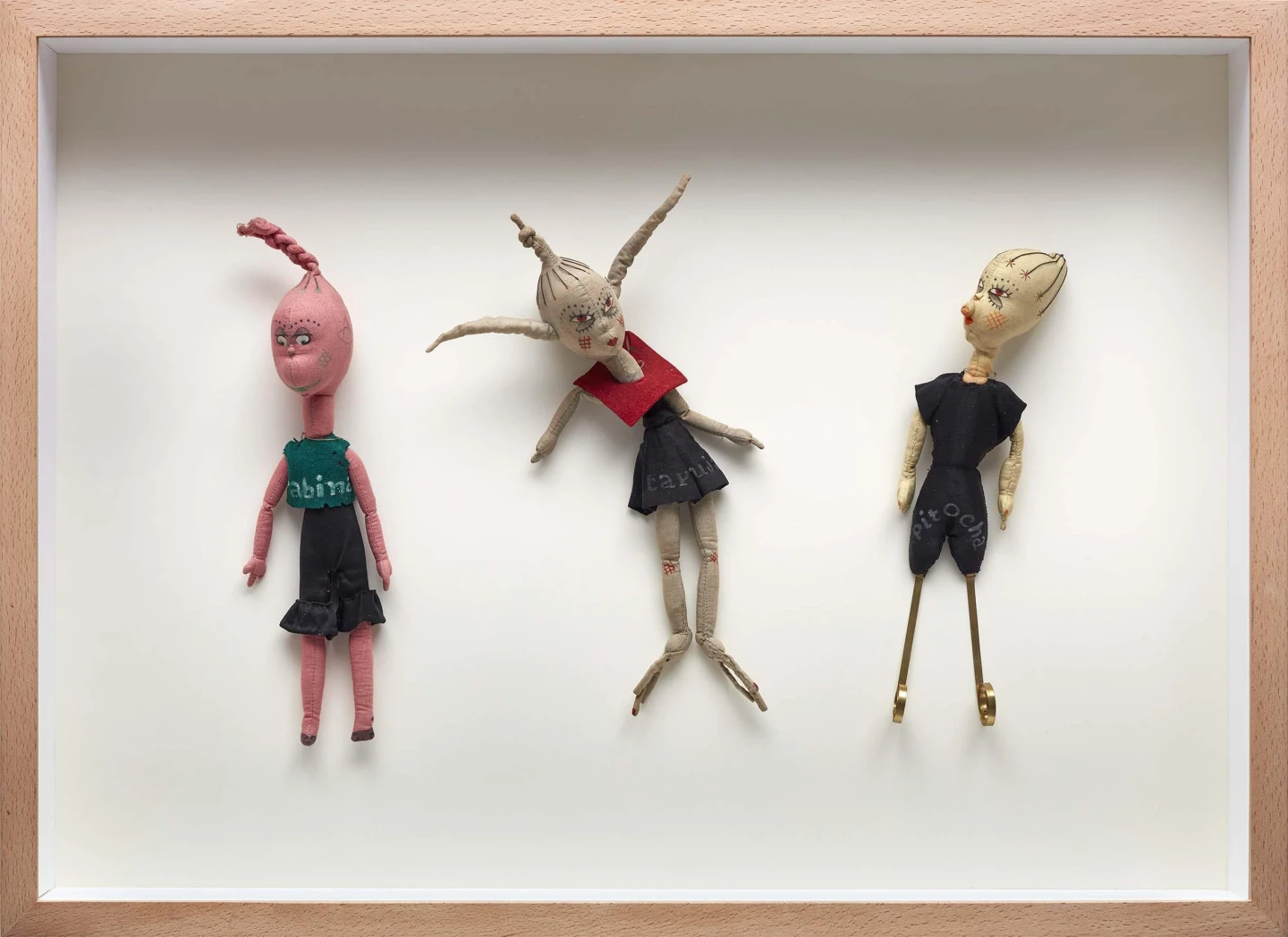
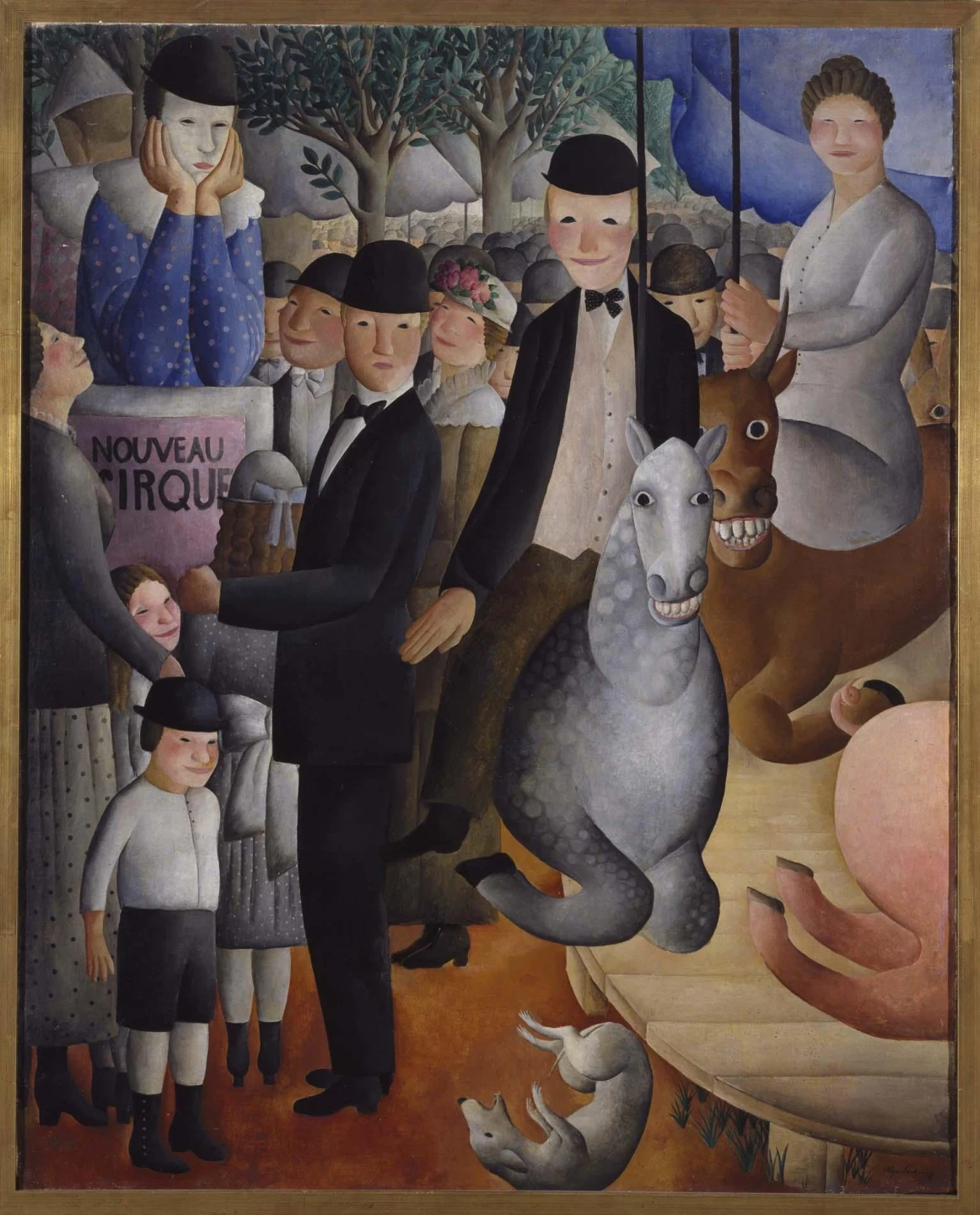
Past patterns remained entrenched, however, as it dawned on these artists that their training led towards decoration, stage design, textiles and illustration — mediums historically regarded as subordinate. Despite that, manifest in these fields were spaces of possibility and freedom: for instance, the I Salón de Dibujantas (I Salon of Draughtswomen), held at the Lyceum Club in 1931, was a watershed event as it gathered work made by women for the major newspapers of the time. It brought to light how illustration could be a means of subsistence for many women artists and, in lacking prejudice, many of them worked against the grain to develop significant projects in hitherto forbidden territories, such as large-scale painting and sculpture, applying new iconographies and alternatives to the male world.
17 artworks


Room 203.01
Madrid, a Diverse City
Room 204.01
Cubism, the First International Language