Room 205.09
The International Exposition of 1937: Architecture, Art and Propaganda
The Spanish Pavilion at the Exposition Internationale des Arts et Techniques dans la Vie Moderne, held in Paris in 1937, represented an ideological programme with two main aims: to bind culture to social progress and to challenge visitors with the threat posed by fascism. The artworks were selected both by the curators of the Pavilion in Paris, led by José Gaos, and by Spain’s Directorate-General of Fine Arts. From Paris, the curators commissioned works to distinguished Spanish artists inside and outside the country: Pablo Picasso, Joan Miró, Alberto Sánchez and Julio González, in addition to Alexander Calder and José Gutiérrez Solana. The bulk of the art show was reserved for work from the Directorate-General of Fine Arts, predominantly to the theme of war and in a figurative style. Outside of this call was a space in homage to Francisco Pérez Mateo and Emiliano Barral, two sculptors who had recently died on the front in Madrid.
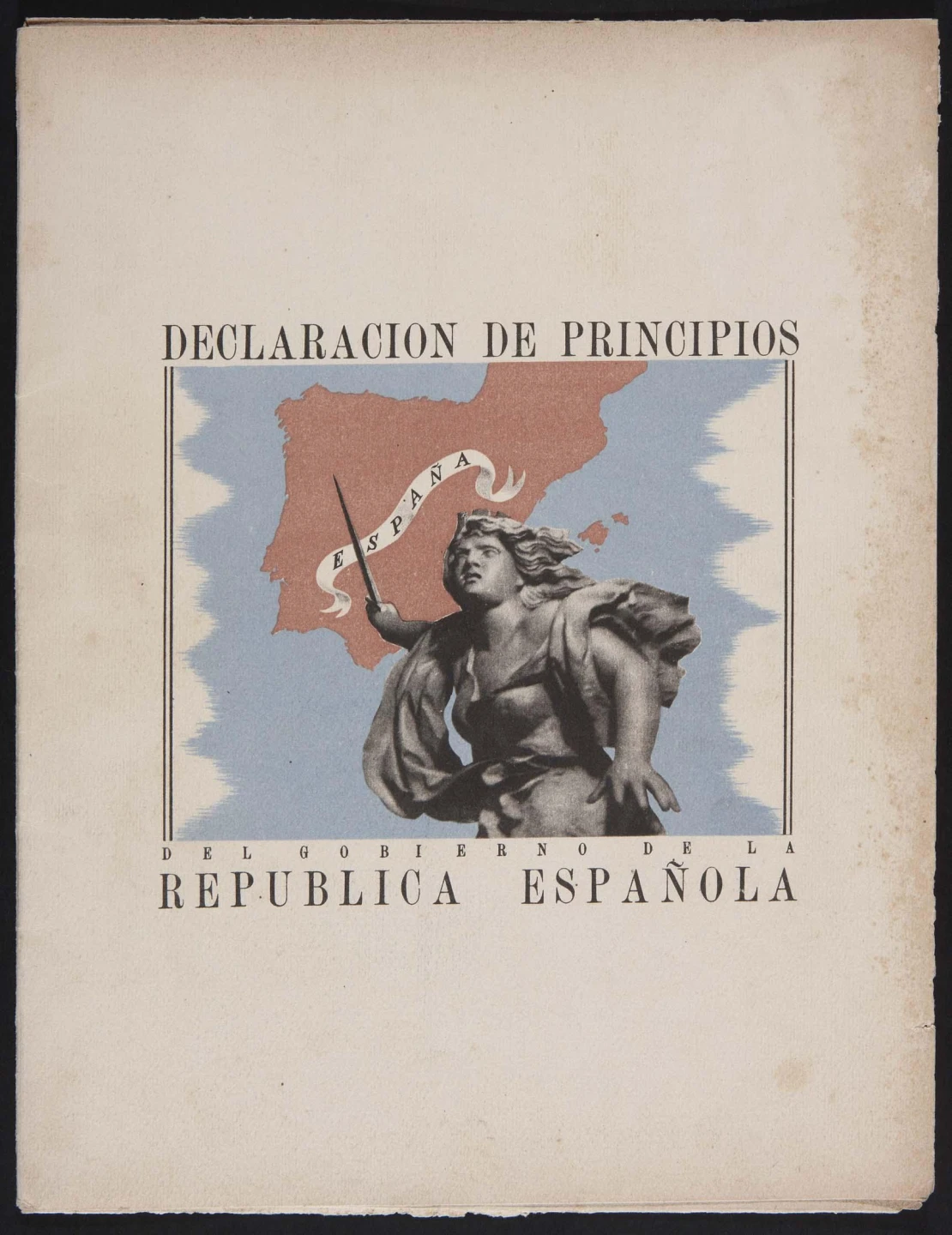
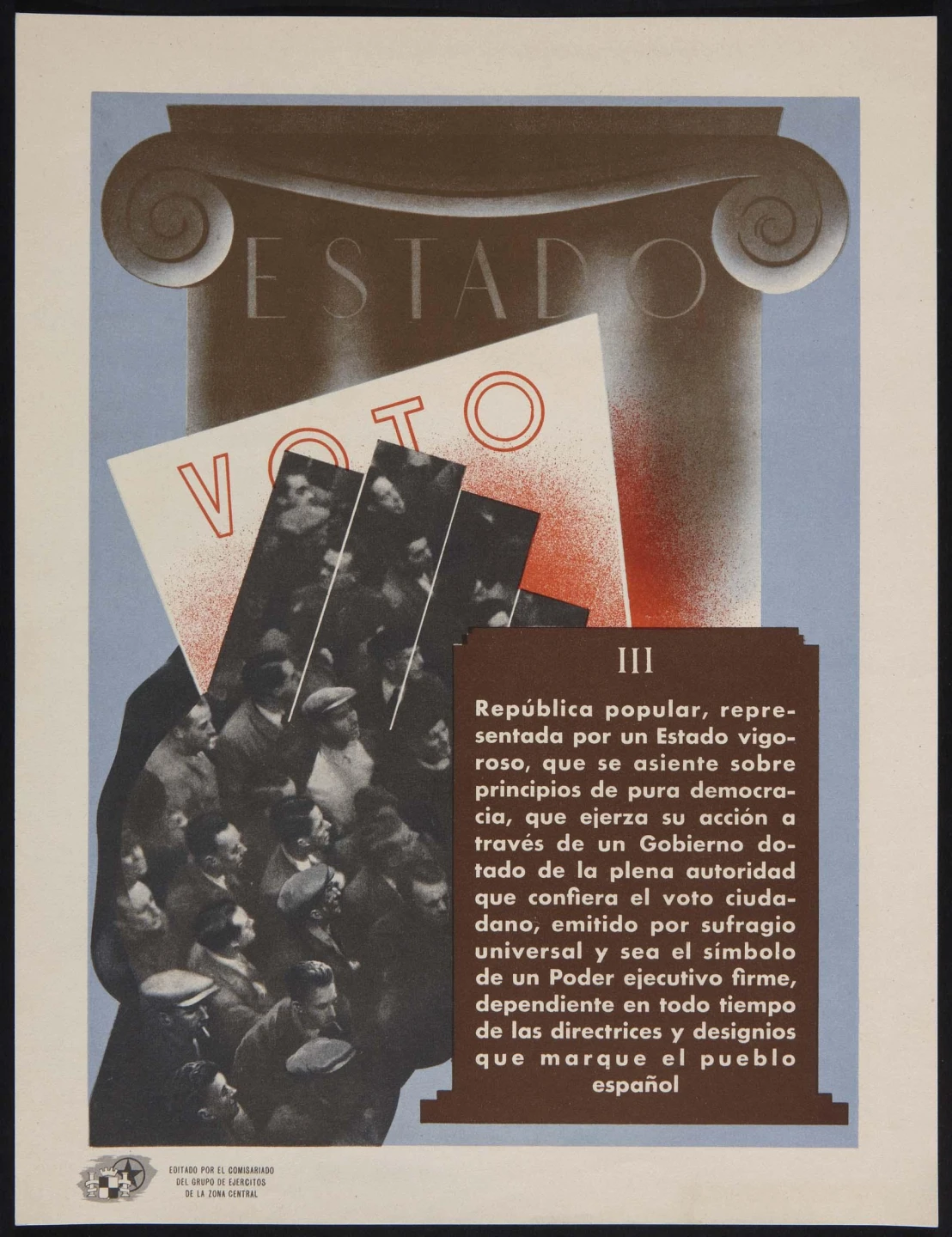
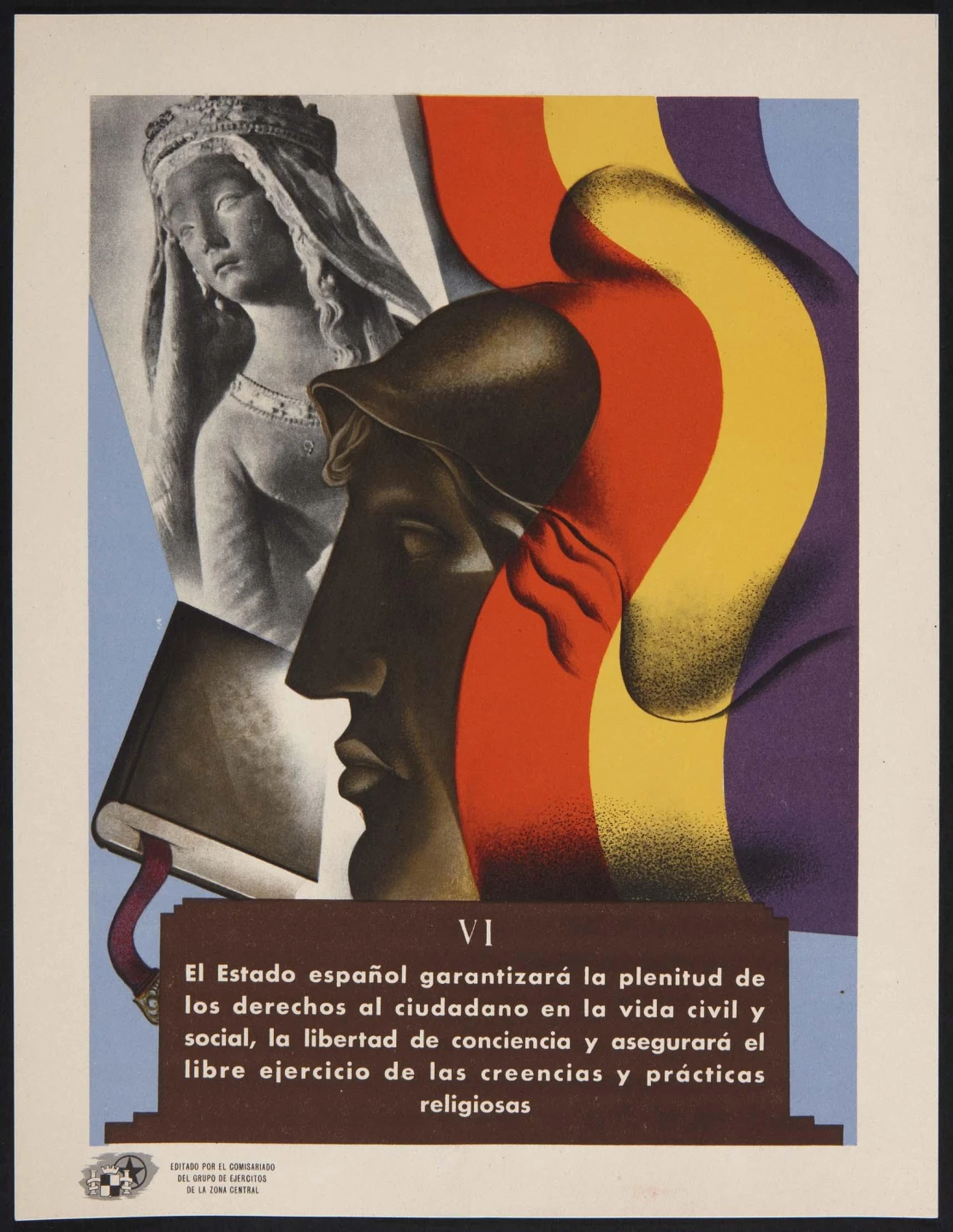
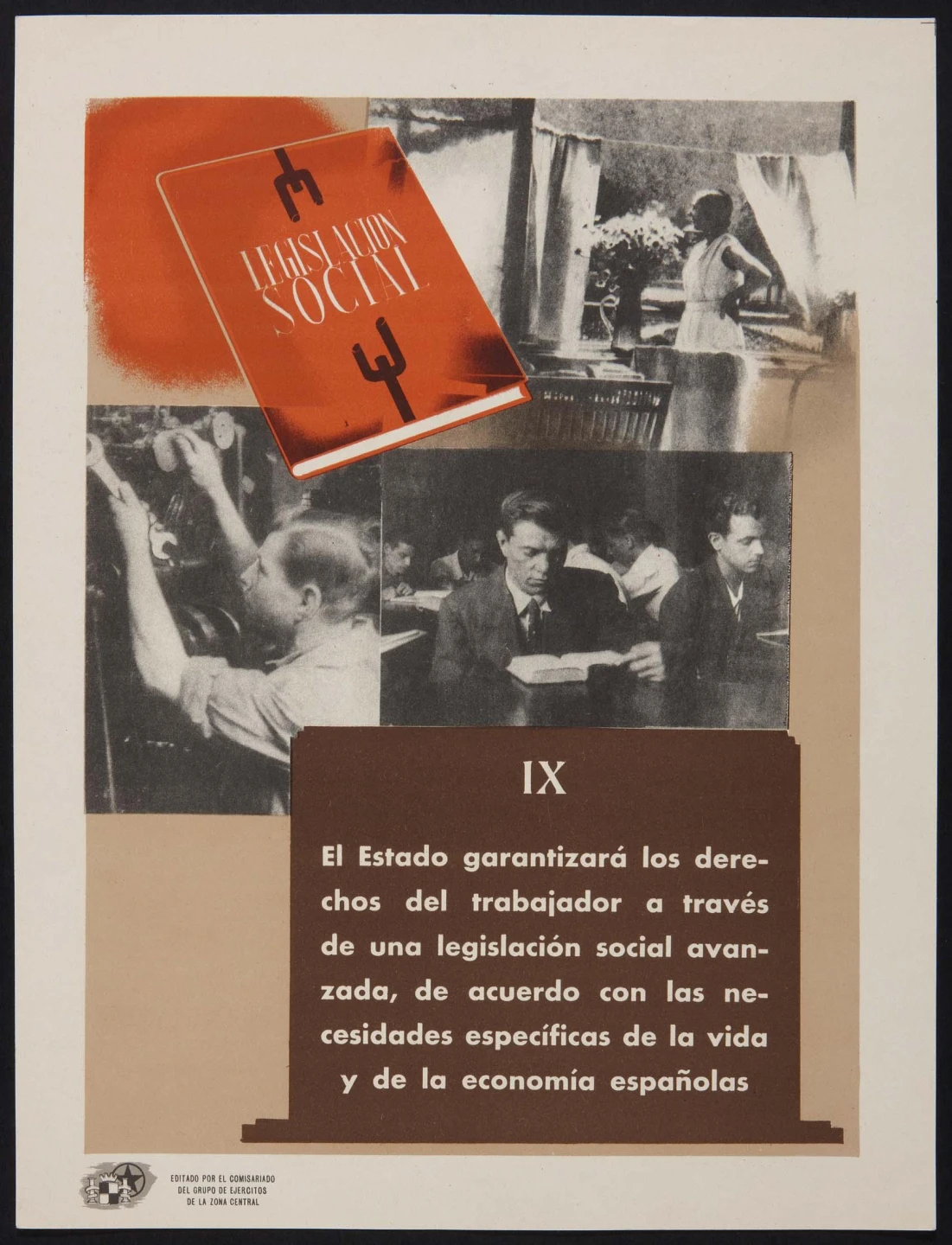
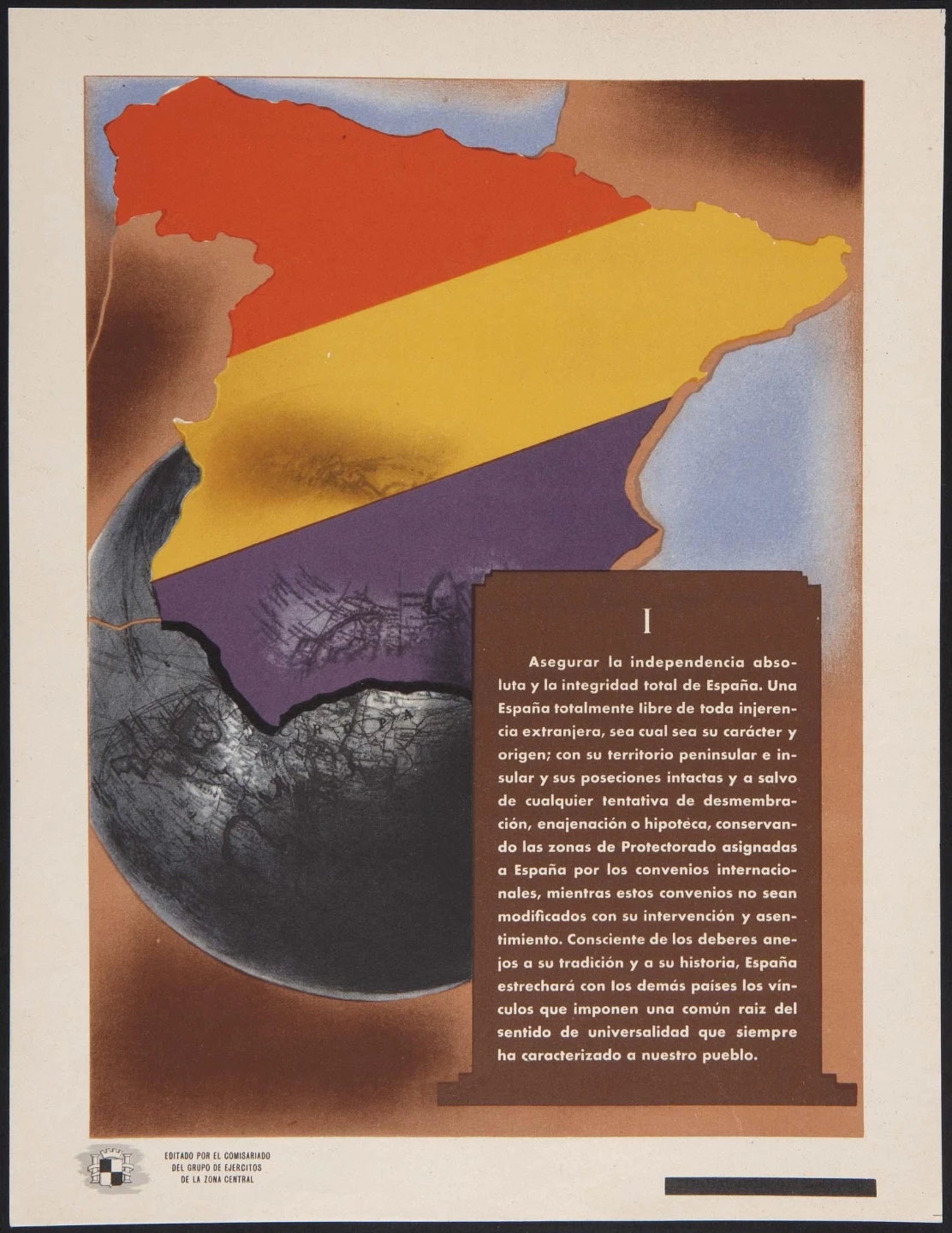
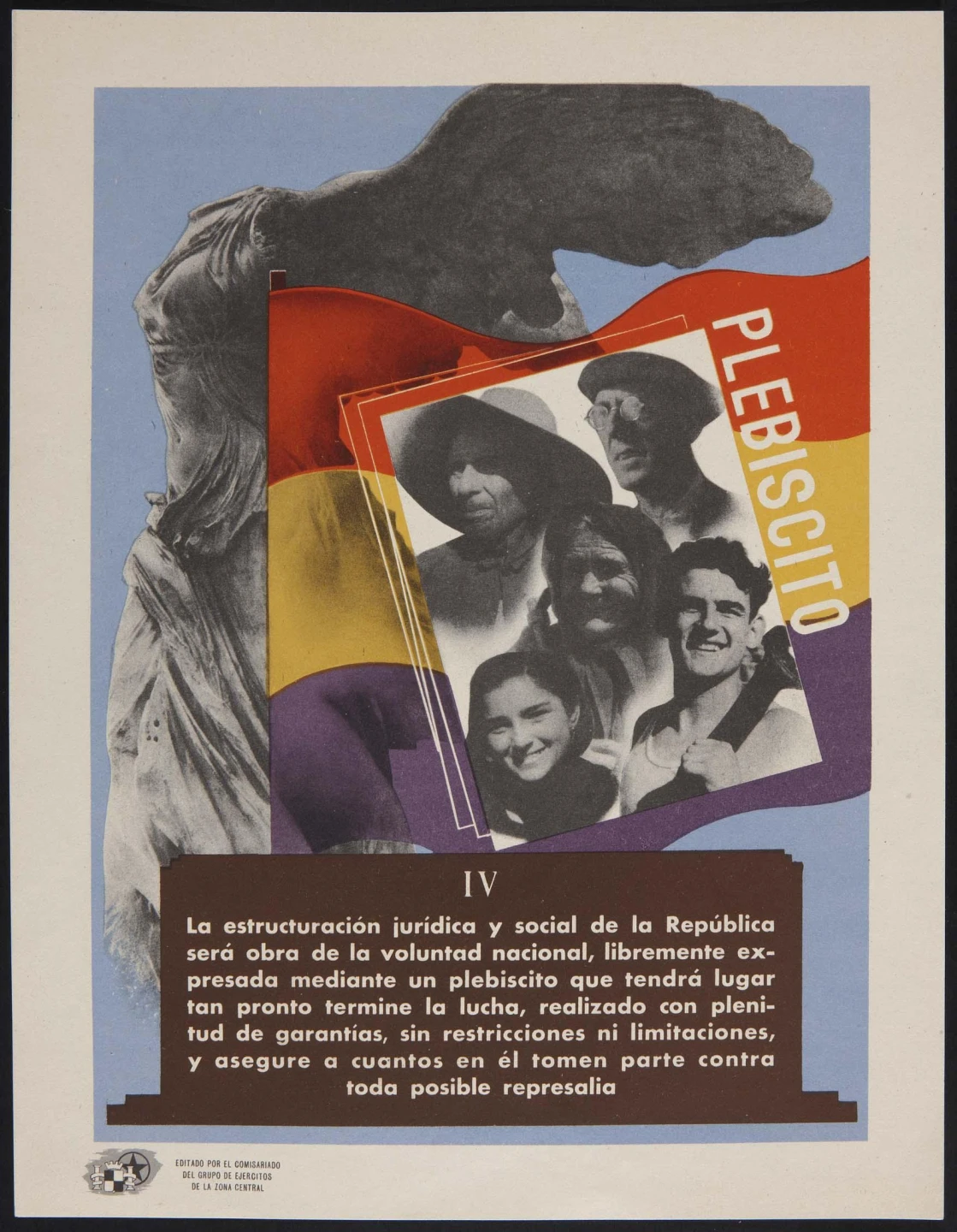
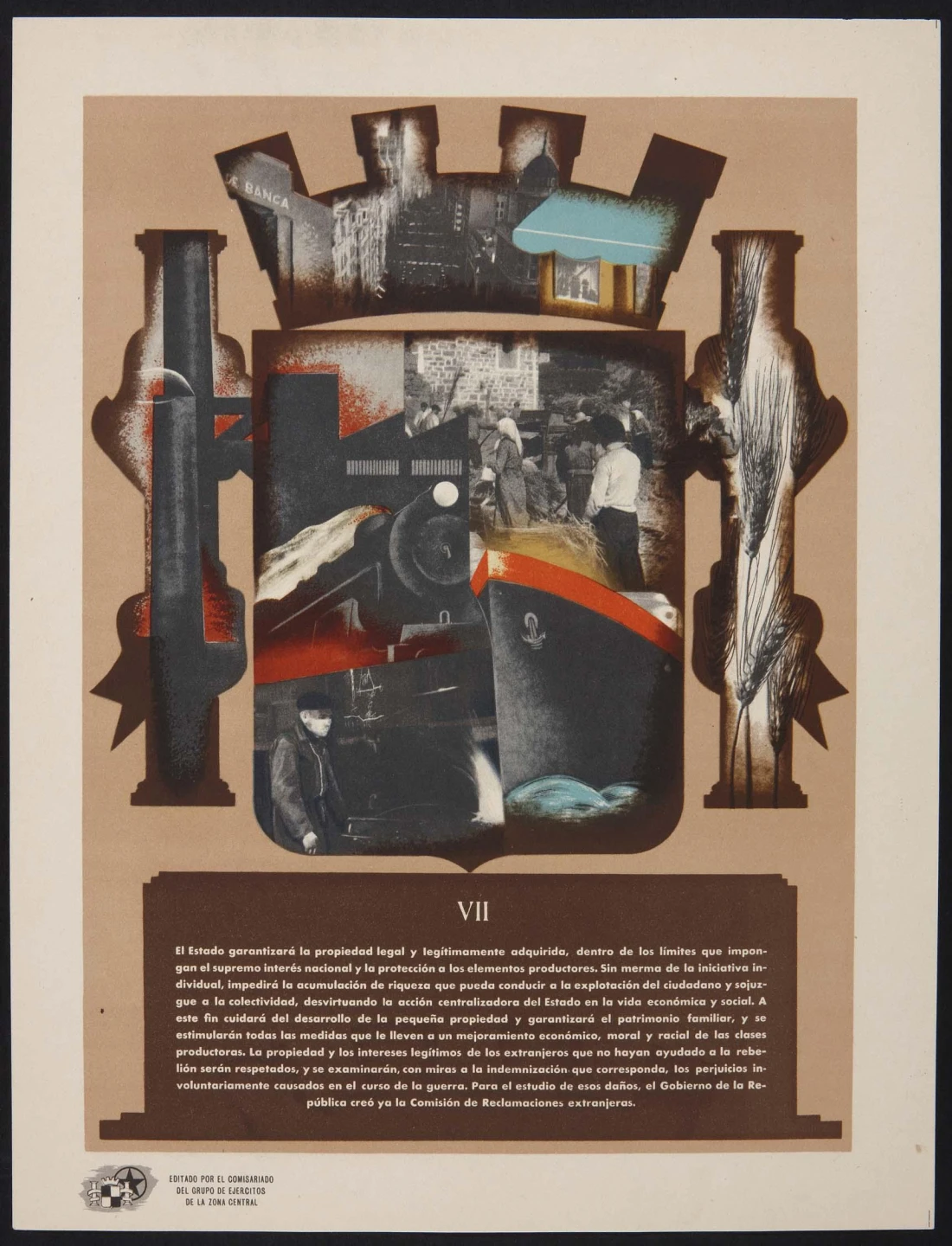
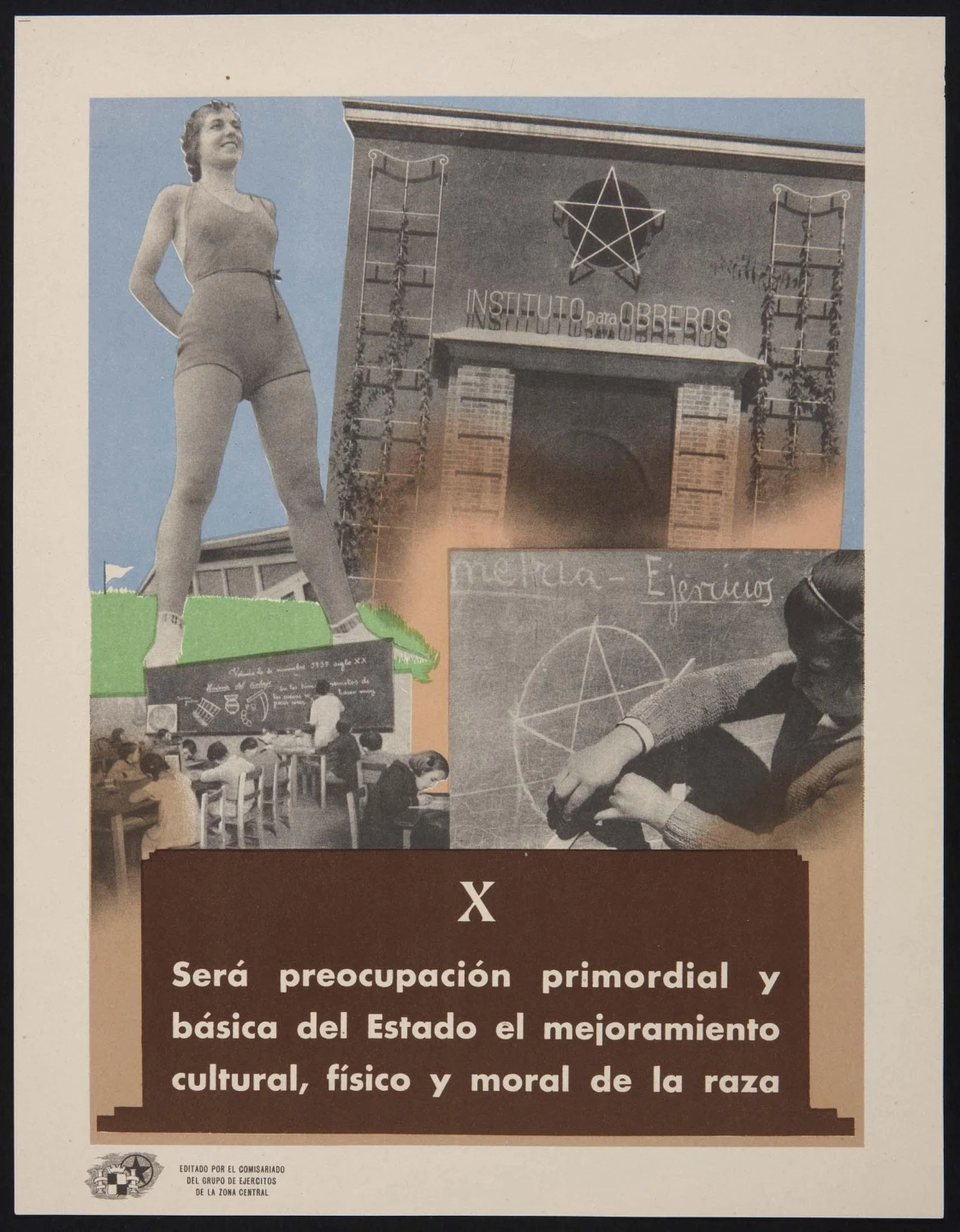
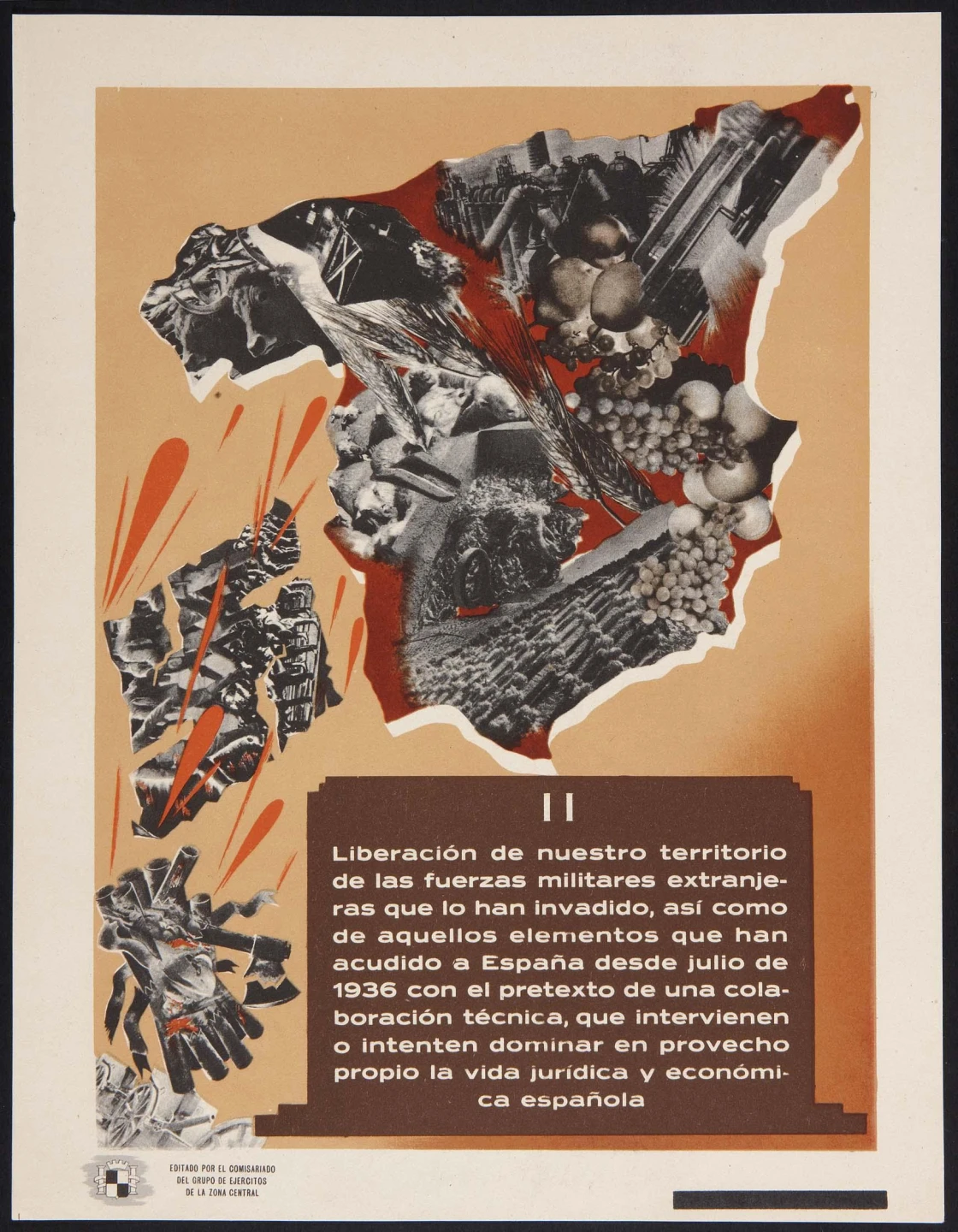
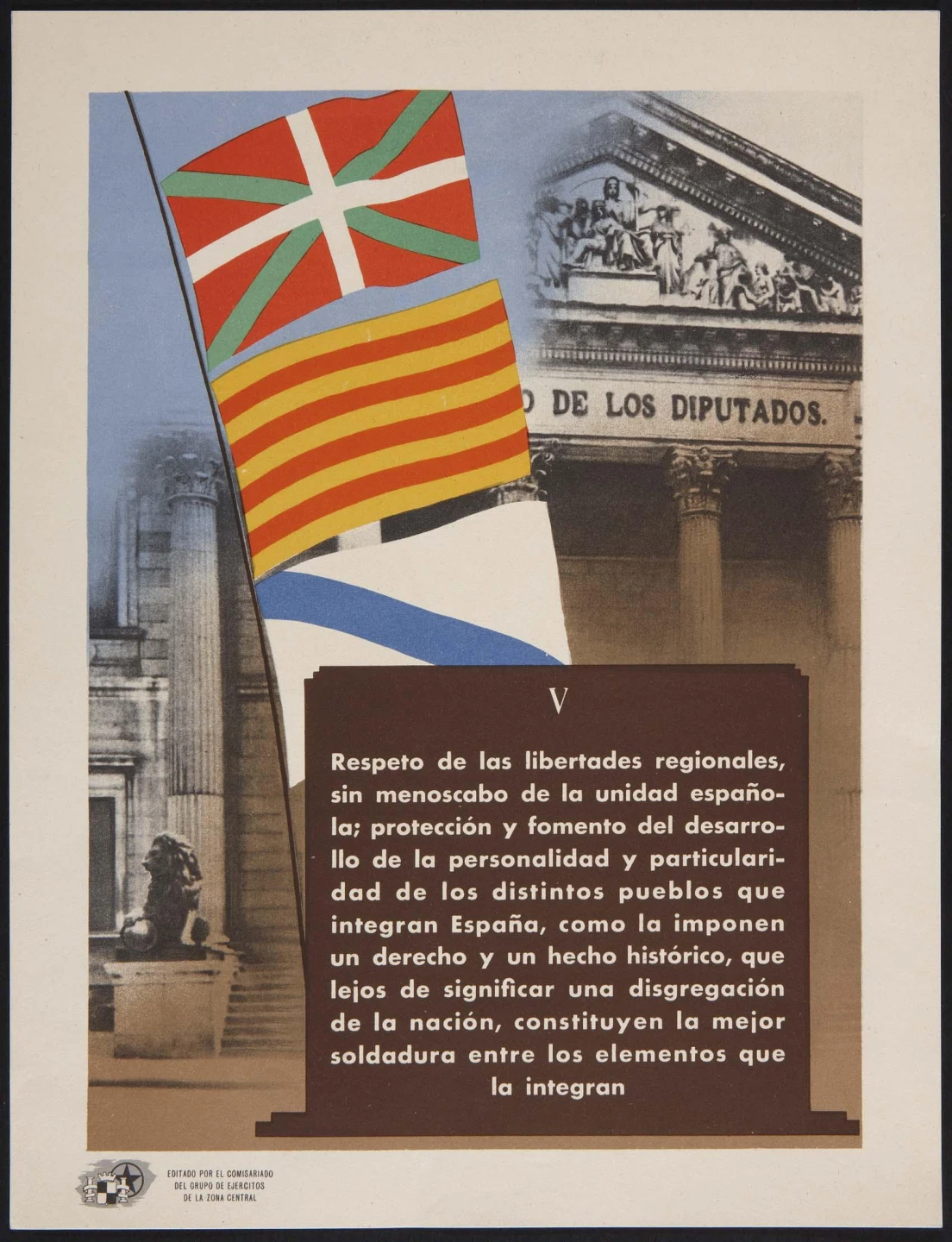
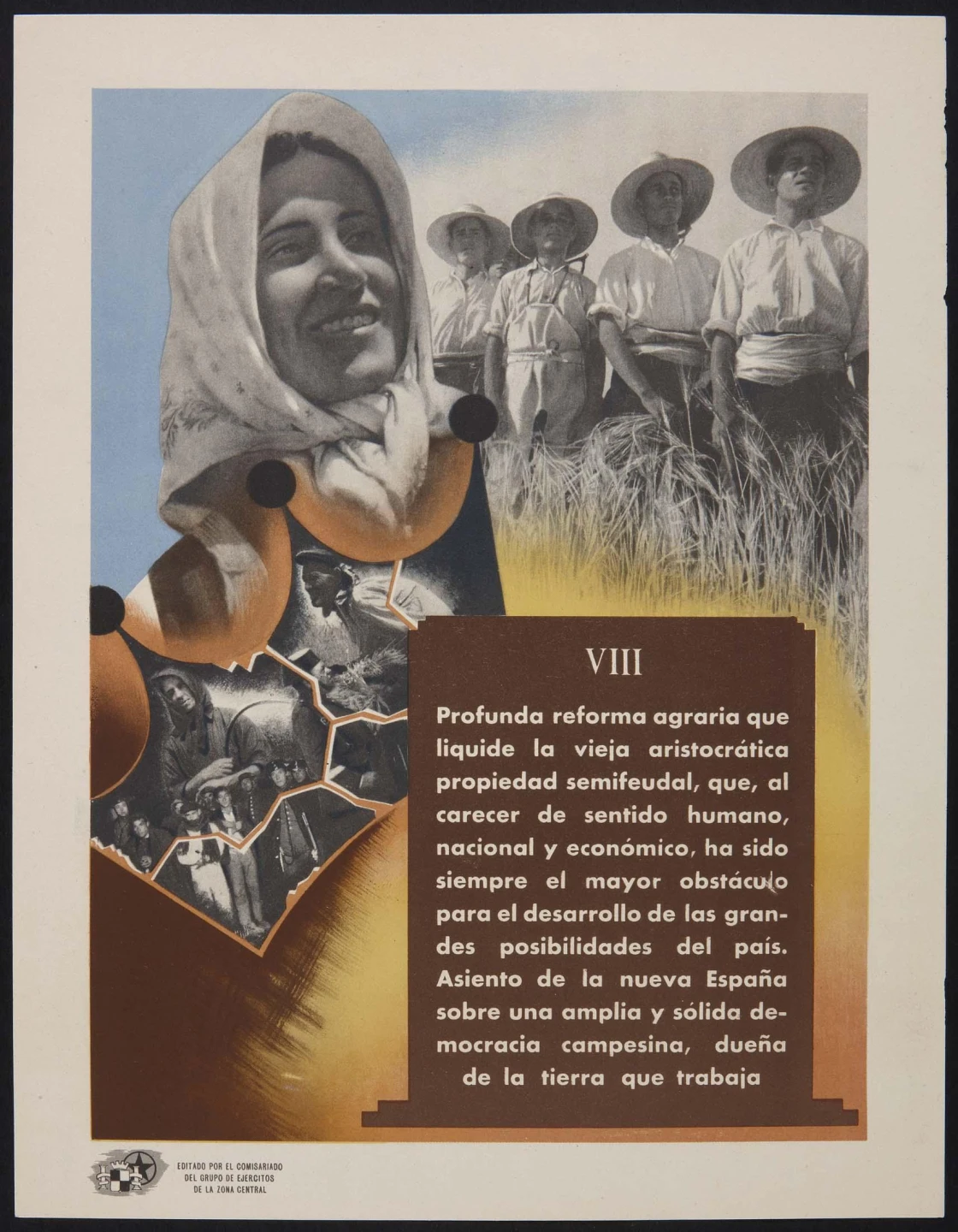
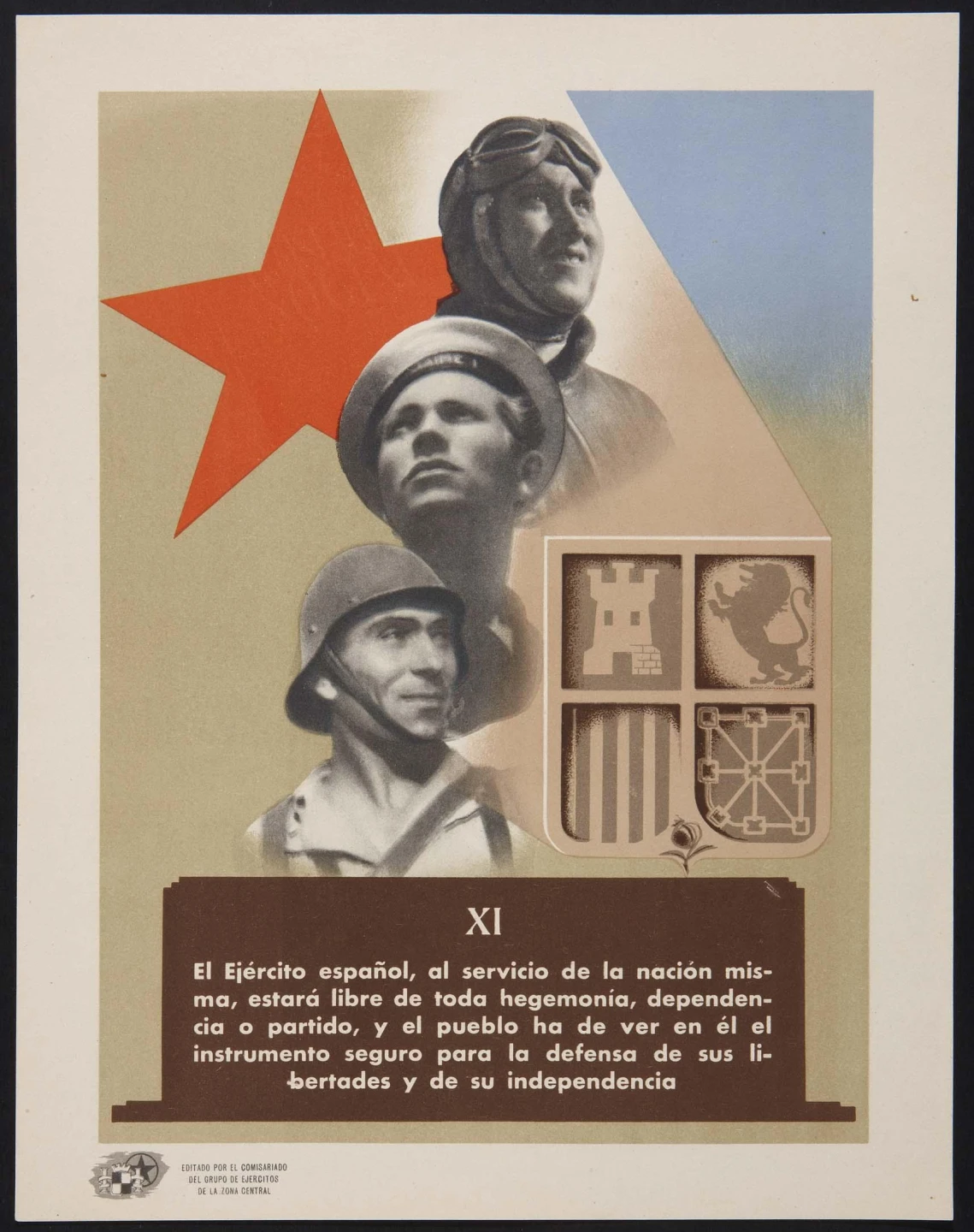
For the most part, however, the Pavilion was taken up with large photomurals designed by Josep Renau, the general director of Fine Arts and one of the ideologists behind it. These photographic murals showed, with more modern visual strategies, maps, graphs and economic data from the Republic, cultural projects such as the Pedagogical Missions and a presentation of the different regions in Spain. This last section was complemented with a selection of folk art and regional clothing in a revolutionary attempt to redefine traditional culture with a contemporary approach.
28 artworks


Room 205.08
MATER DOLOROSA: THE WOMEN OF GUERNICA
Room 205.10
Guernica