Room 205.08
MATER DOLOROSA: THE WOMEN OF GUERNICA
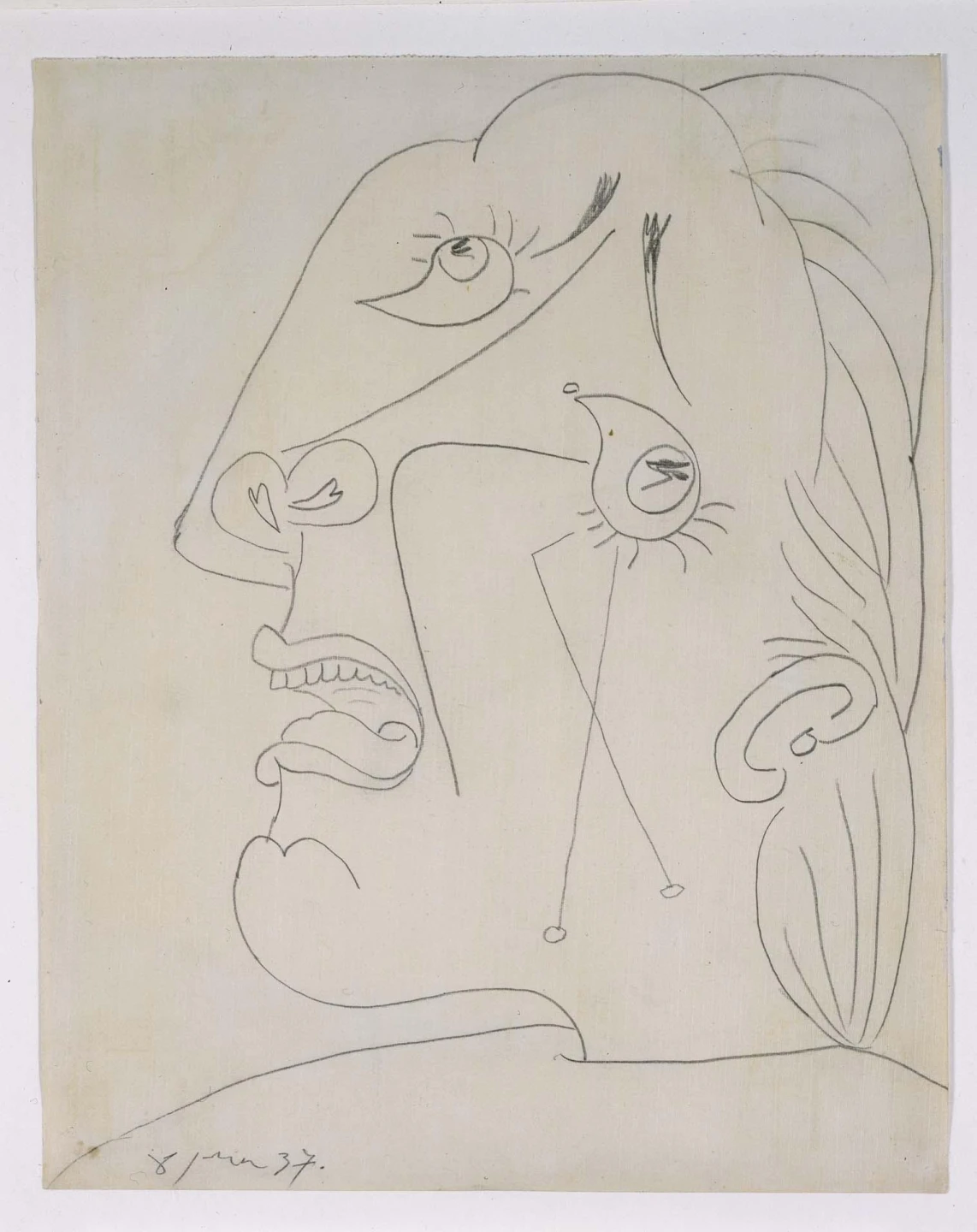
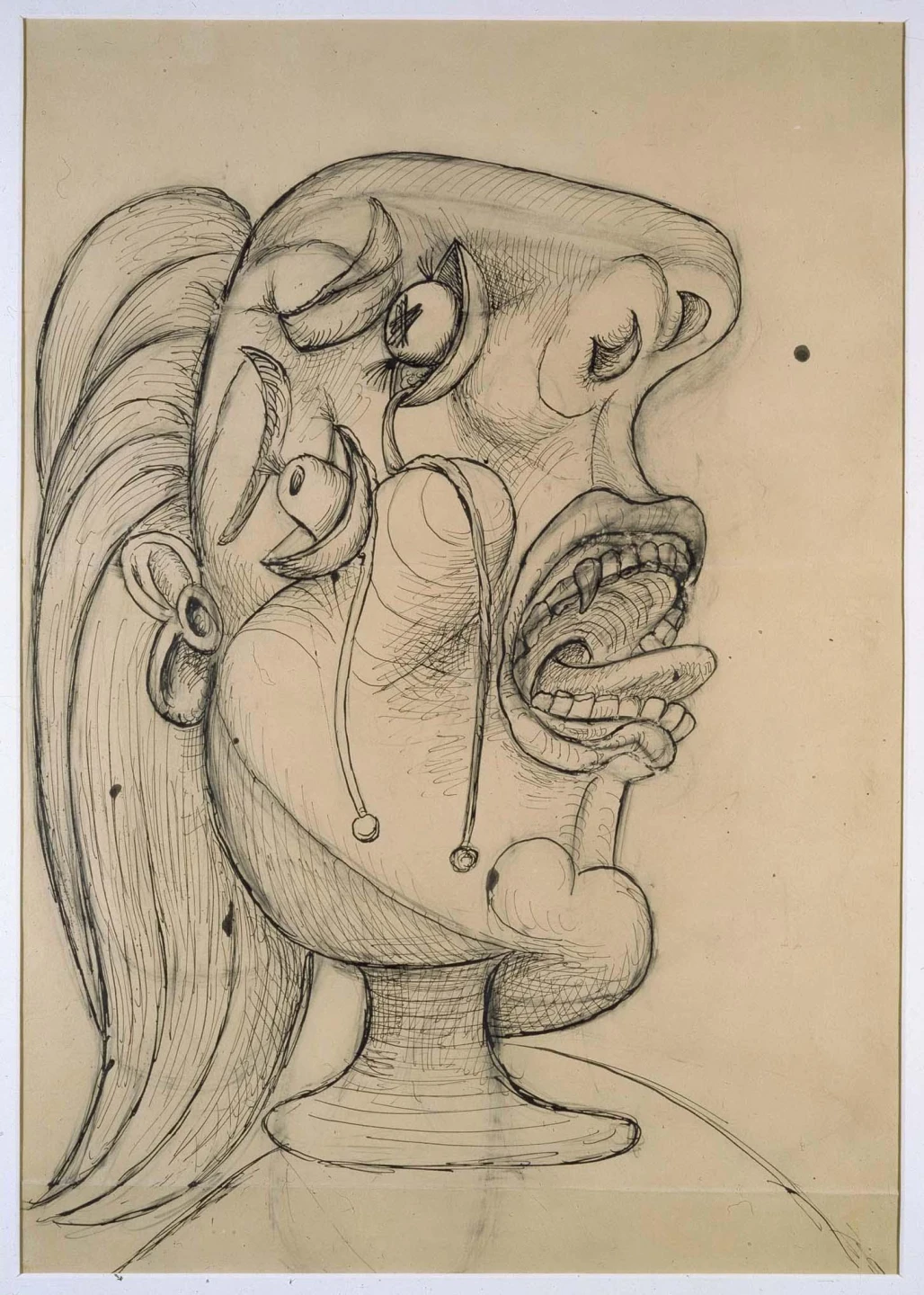
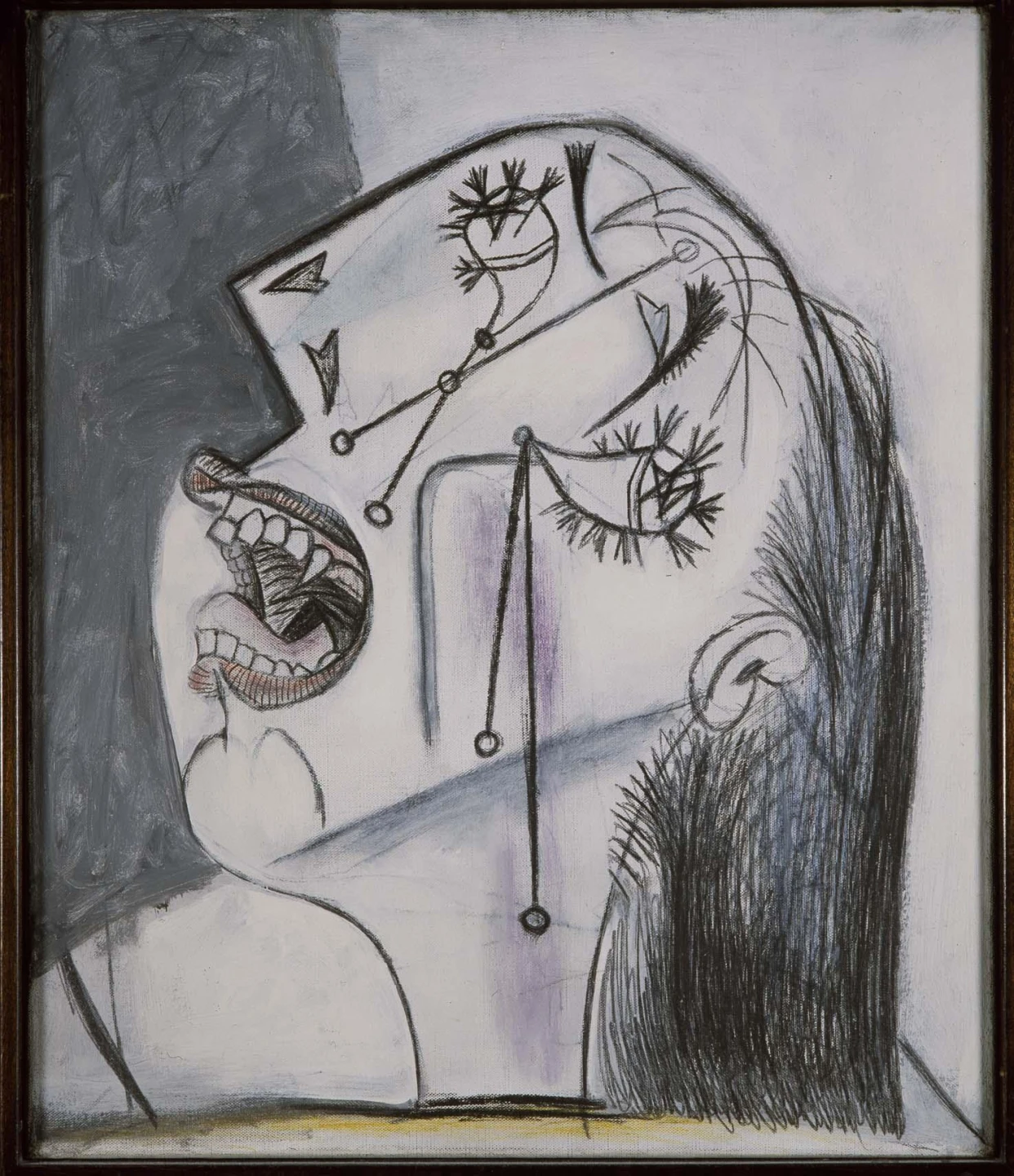
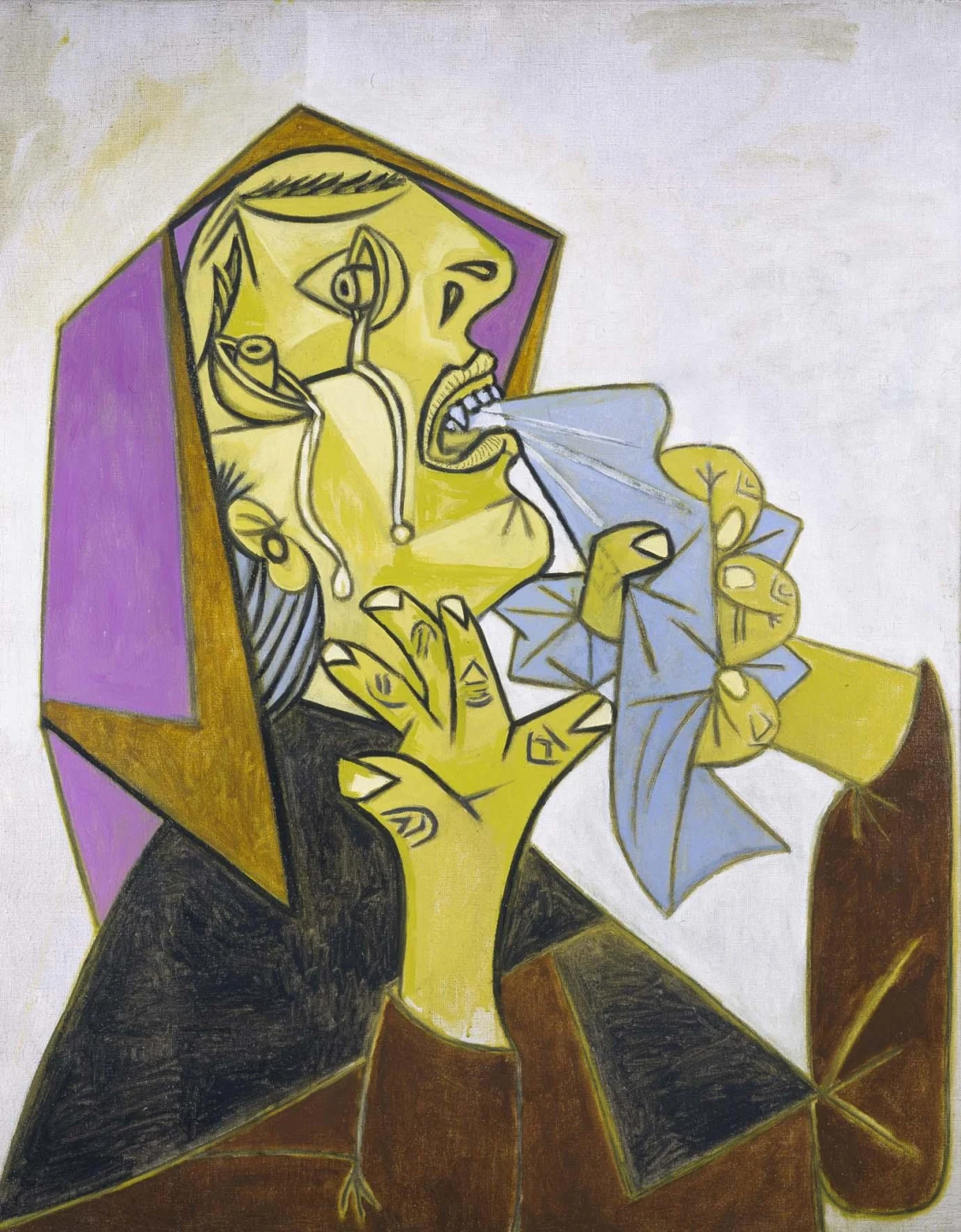
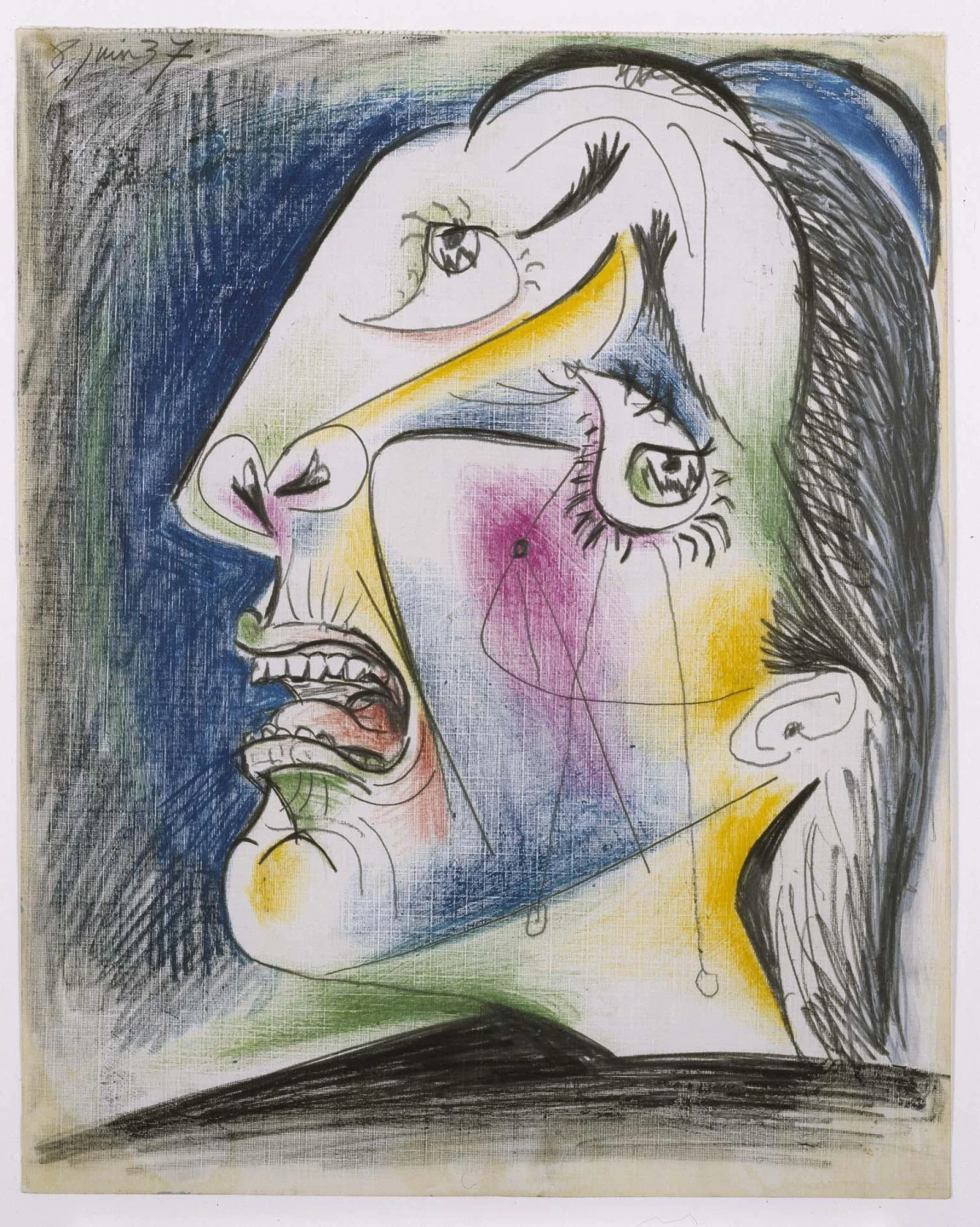
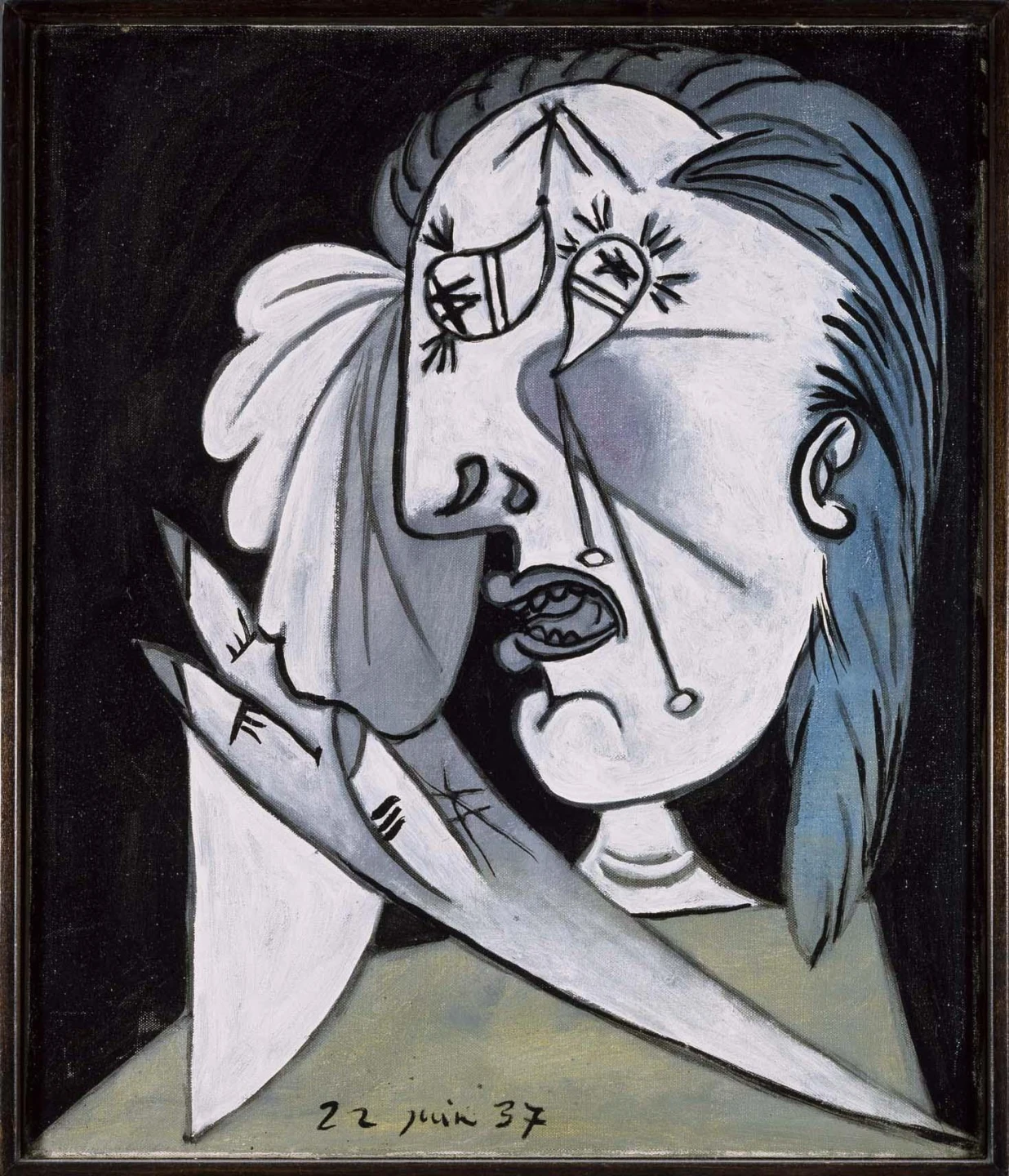
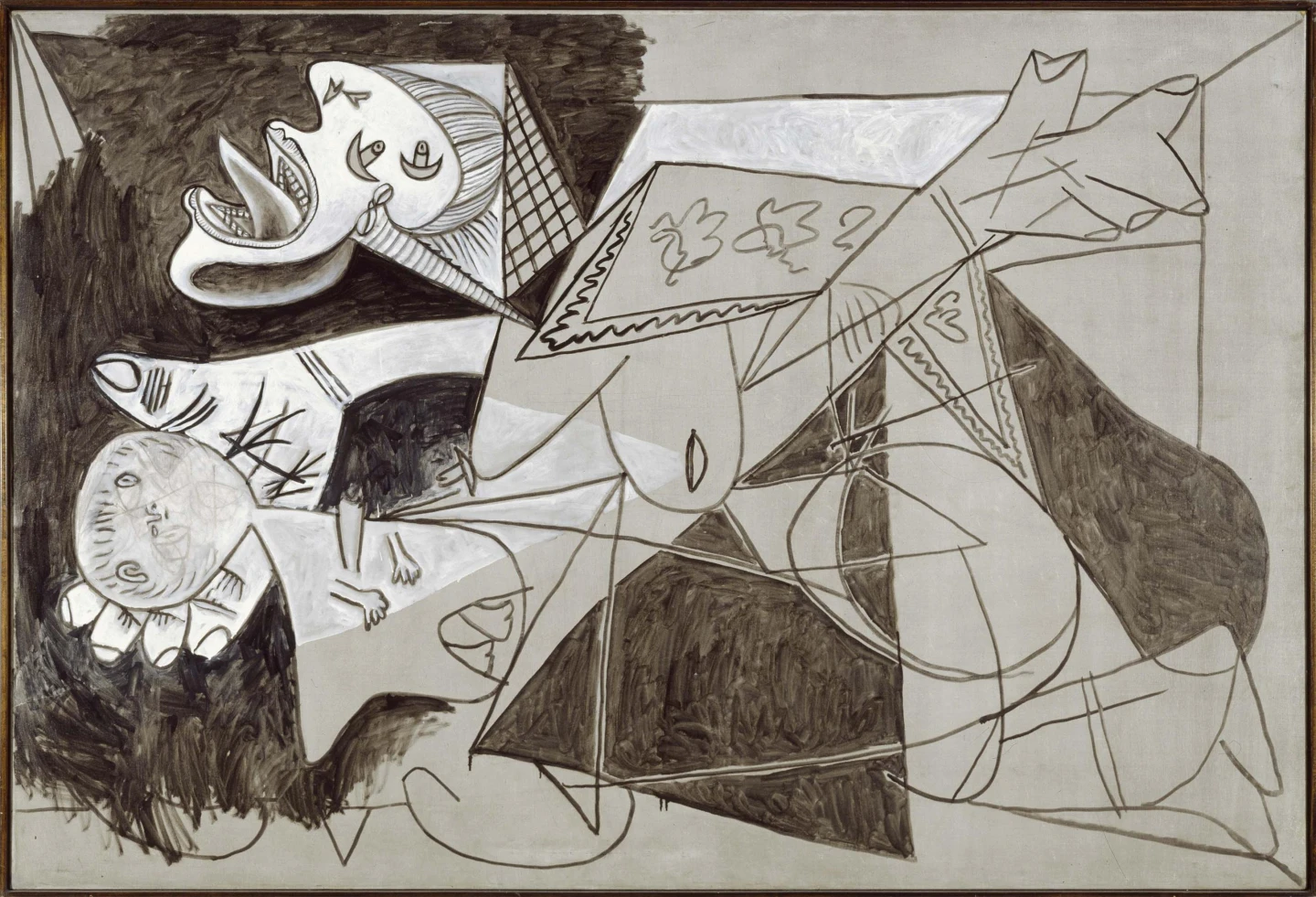
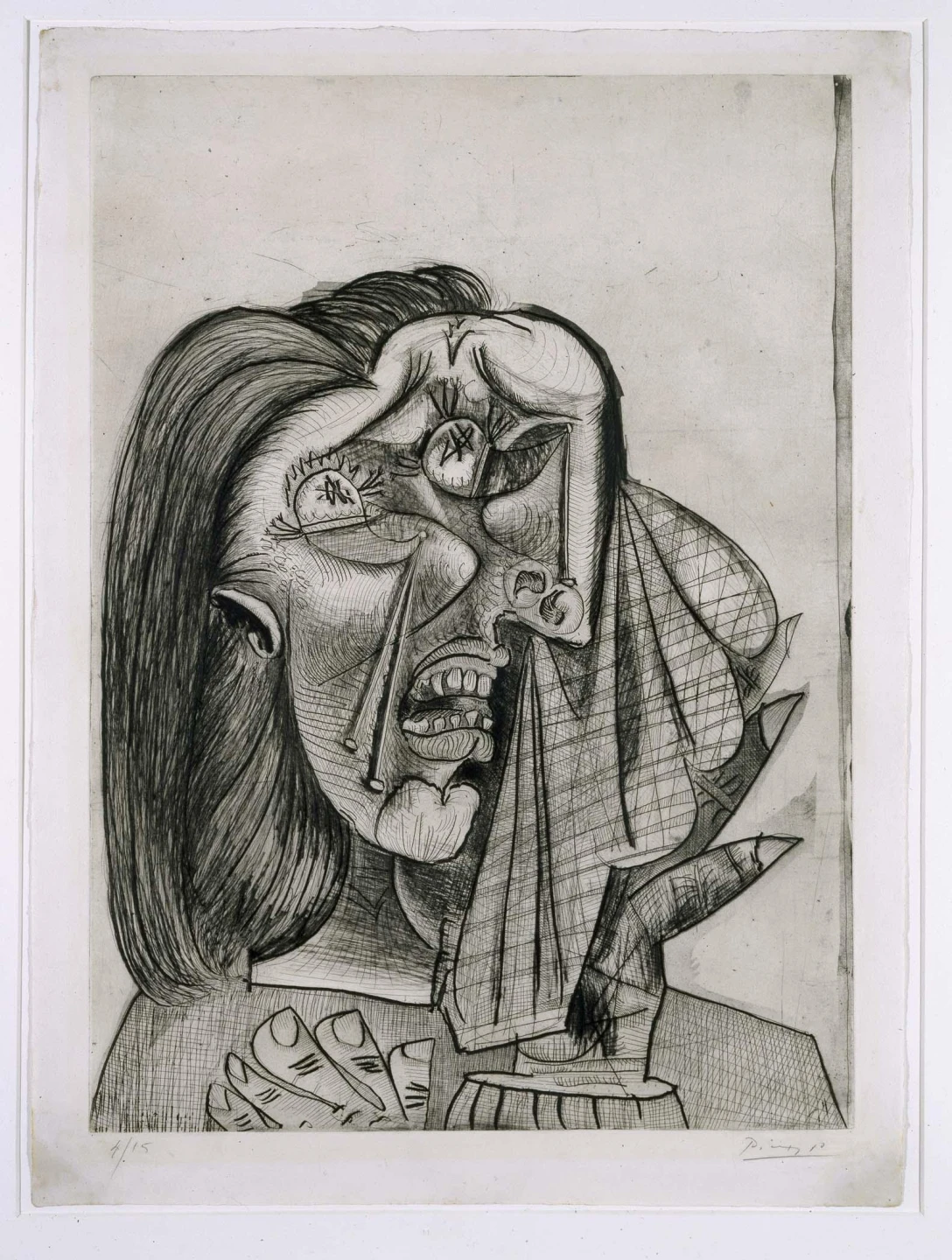
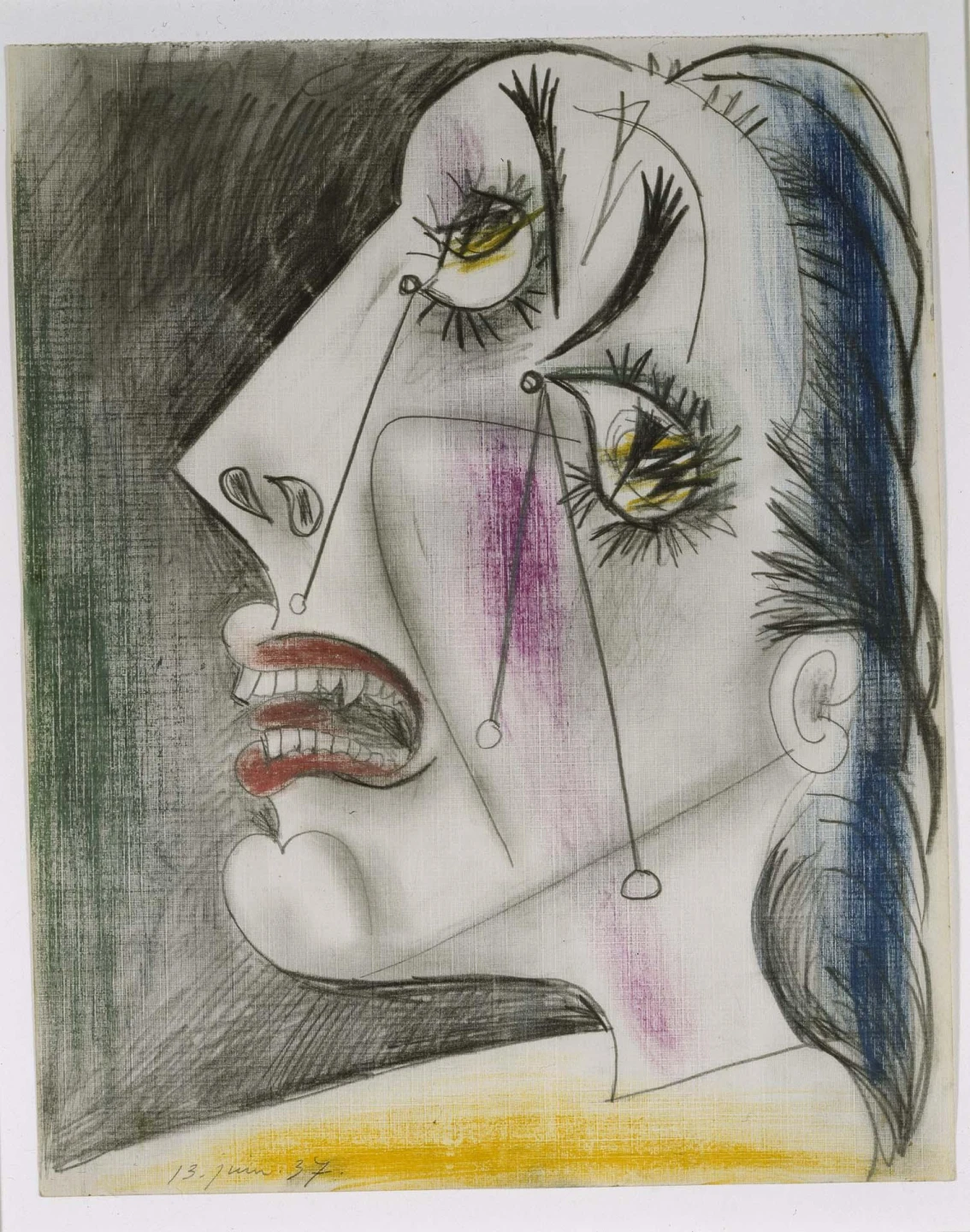
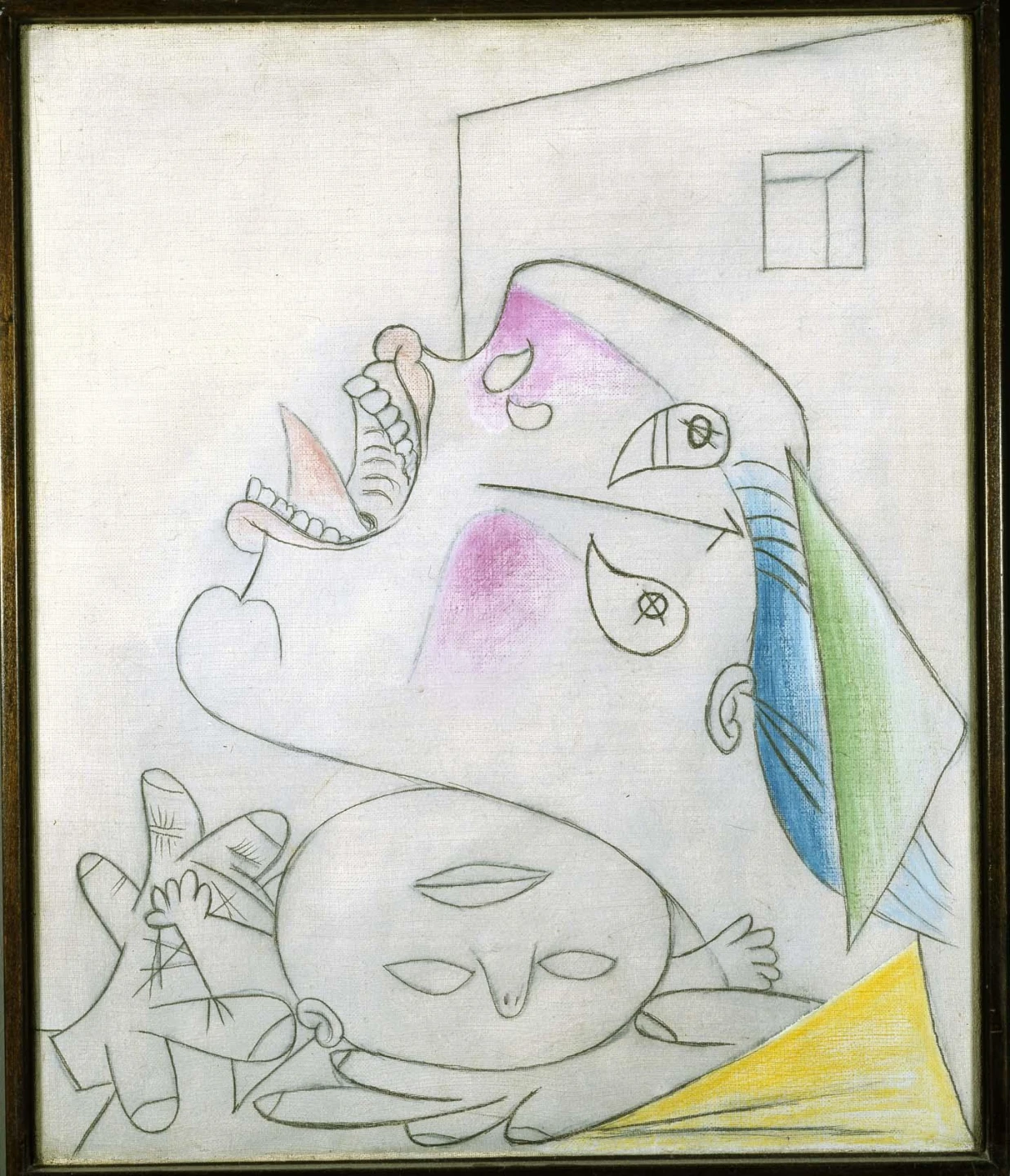
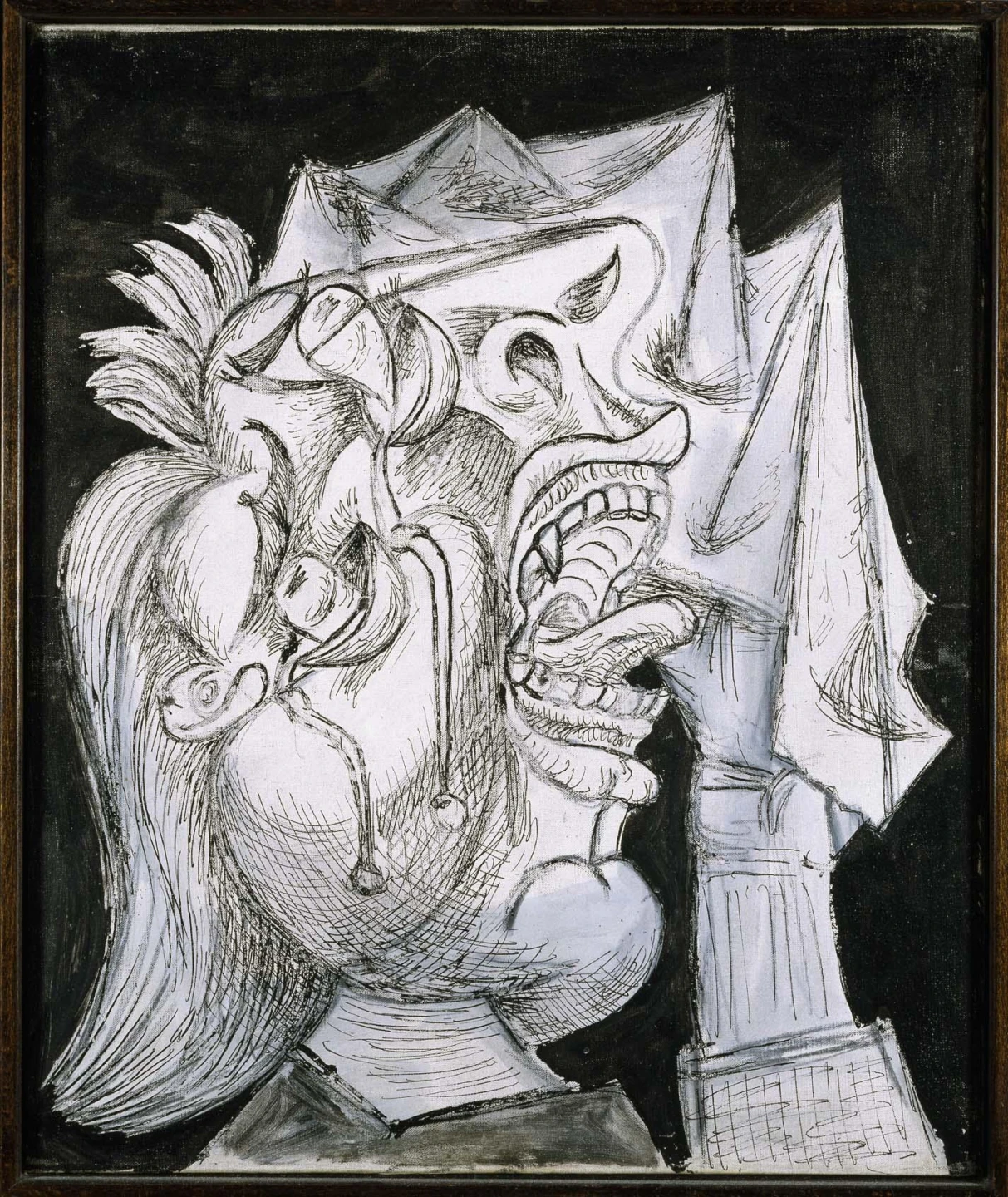
After painting Guernica, Pablo Picasso would continue to work on some of its personages, as well as incorporating new additions in a series of works that contemporary critics like Roland Penrose and Alfred H. Barr Jr. called Postscripts (Epilogues). The weeping woman and mother with the dead child run centrally through this set of works, conceived as free-standing pieces. Both are motifs that connect to the Spanish baroque tradition of the Mater dolorosa and piety, popular yet profoundly patriarchal symbols of affliction and pain. In the summer of 1937, Picasso was consumed with the figure of the weeping woman — a theme that would ultimately be absent in Guernica — mothers who have lost their children and whose pain has made them monstrous. He made an extensive series of works on this image, where the disintegrating figure, the half-open mouths letting out shrieks, the tearful eyes and the handkerchiefs transmit the same essence of weeping and express an overwhelming existential crisis caused by war. It is the woman seen as a machine of suffering, as Picasso described it. Their appearance draws inspiration from the artist’s companion at the time, the Surrealist photographer Dora Maar. Politically committed, anti-fascist and the creator of a robustly social documentary body of work, she appears represented as a custodian of others’ pain and as a reflection of the abusive relationship stablished with the painter. Nevertheless, Maar did not identify with any of these versions: “All portraits he [Picasso] did of me are lies. Not one is Dora Maar”.
11 artworks


Room 205.07
Gecé: The Sewer Inspector
Room 205.09
The International Exposition of 1937: Architecture, Art and Propaganda