Room 205.07
Gecé: The Sewer Inspector
Ernesto Giménez Caballero, Gecé, who defined himself as a “entrepeneur or contractor in poetic affairs”, is a key figure for understanding modern art in Spain as well as the pivotal role that magazines played in the period leading up to the Spanish Civil War as platforms for the dissemination of avant-garde movements.
Founder of La Gaceta Literaria, a genuine vade mecum of every cultural experience of the Generation of ‘27, Giménez Caballero created a broad network of contributors around him who added a pluralistic vision that encompassed all forms of modernity. However, his subsequent personal shift towards fascist stances led to isolation and feuds with many of his former contributors. After becoming a “literary Robinson”, he drafted the entirety of the final issues of the magazine, published for the last time in May 1932.
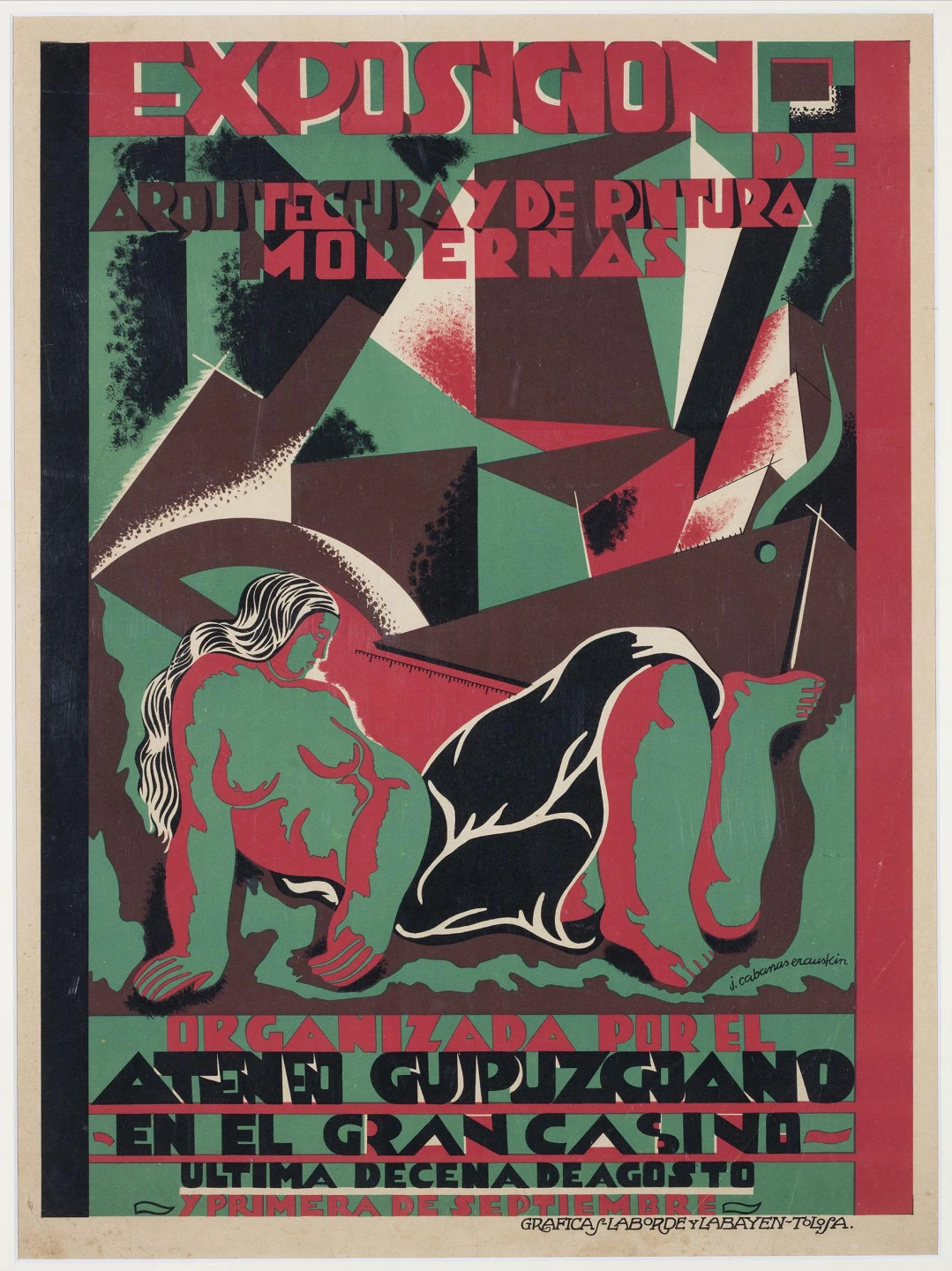
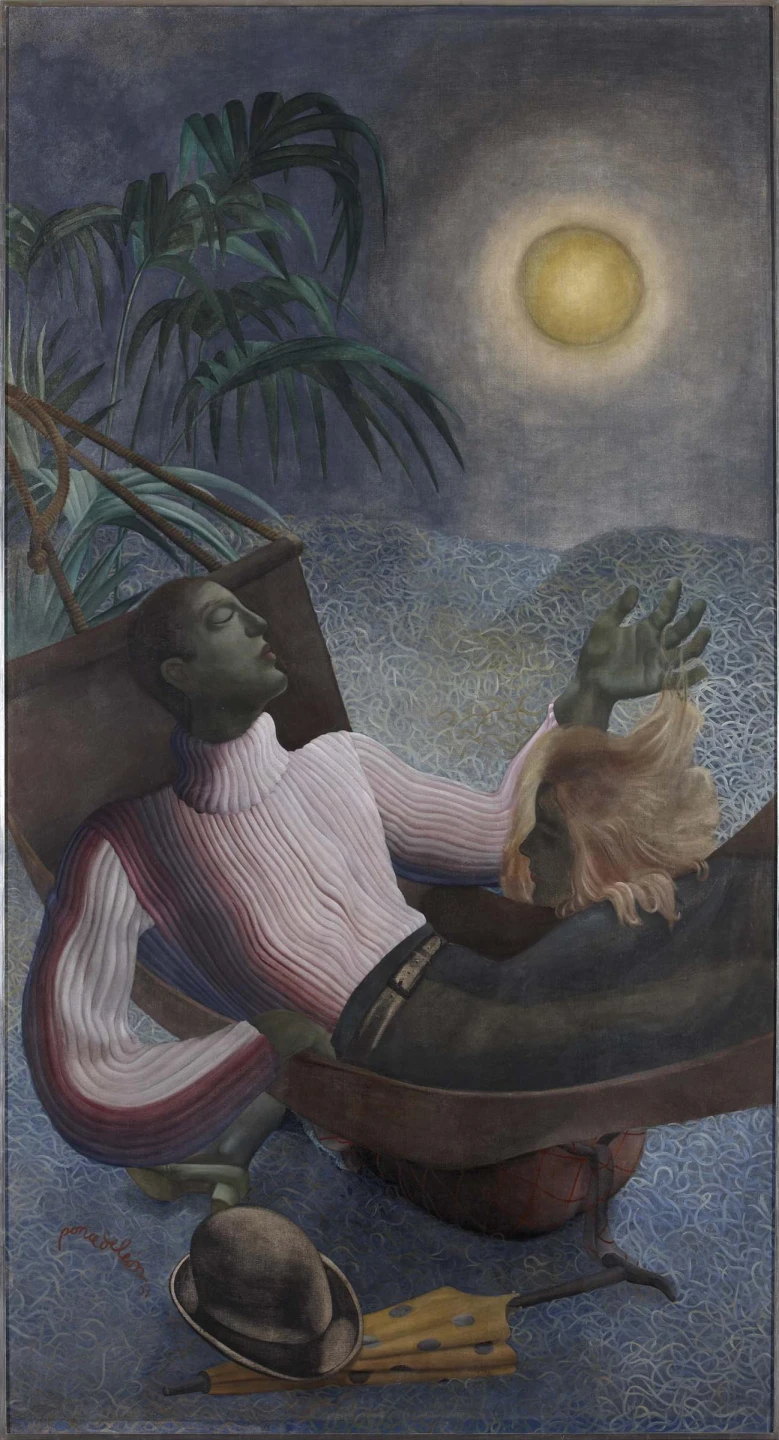
Artistically, he leaned towards a new generation of “new art” linked to the Society of Iberian Artists. Among the magazine’s contributors were Gabriel García Maroto, who designed its logo and heading, Maruja Mallo and Francisco Mateos. He also had a penchant for rationalist architecture from his shop-bookshop La Galería, a space conceived by Fernando García Mercadal where he sold metal-tube furniture. In 1928 he founded Cineclub, in collaboration with Luis Buñuel, who also wrote reviews of its activities in the magazine. His interest in cinema led him, in 1930, to direct two short avant-garde films: Esencia de Verbena (The Essence of the Fair) and Noticiario de Cineclub (Film Club Newscast).
8 artworks



Room 205.06
Realism and Superrealism in New Art
Room 205.08
MATER DOLOROSA: THE WOMEN OF GUERNICA