Room 205.11
The Spanish Night. Flamenco, Avant-garde and Popular Culture
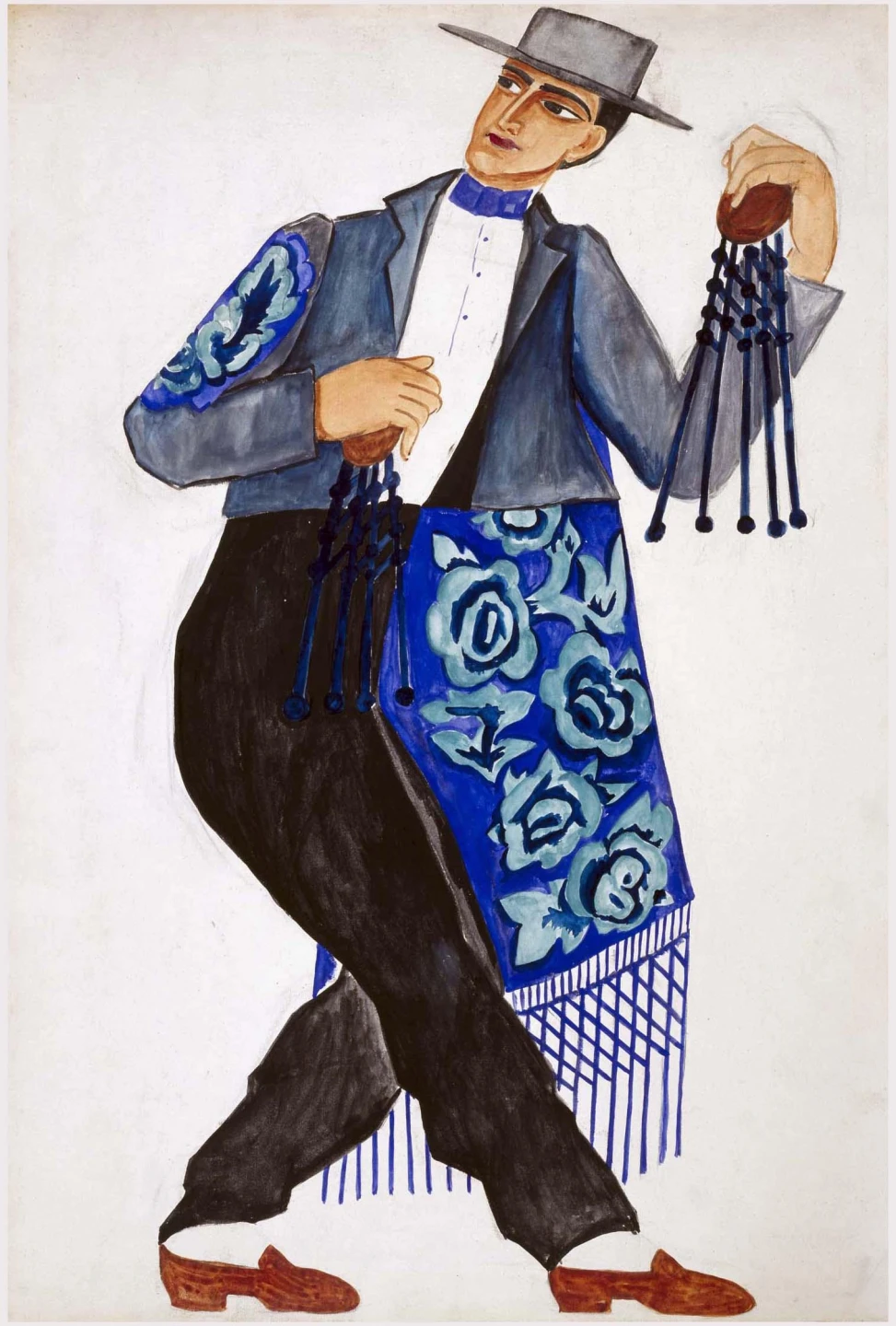
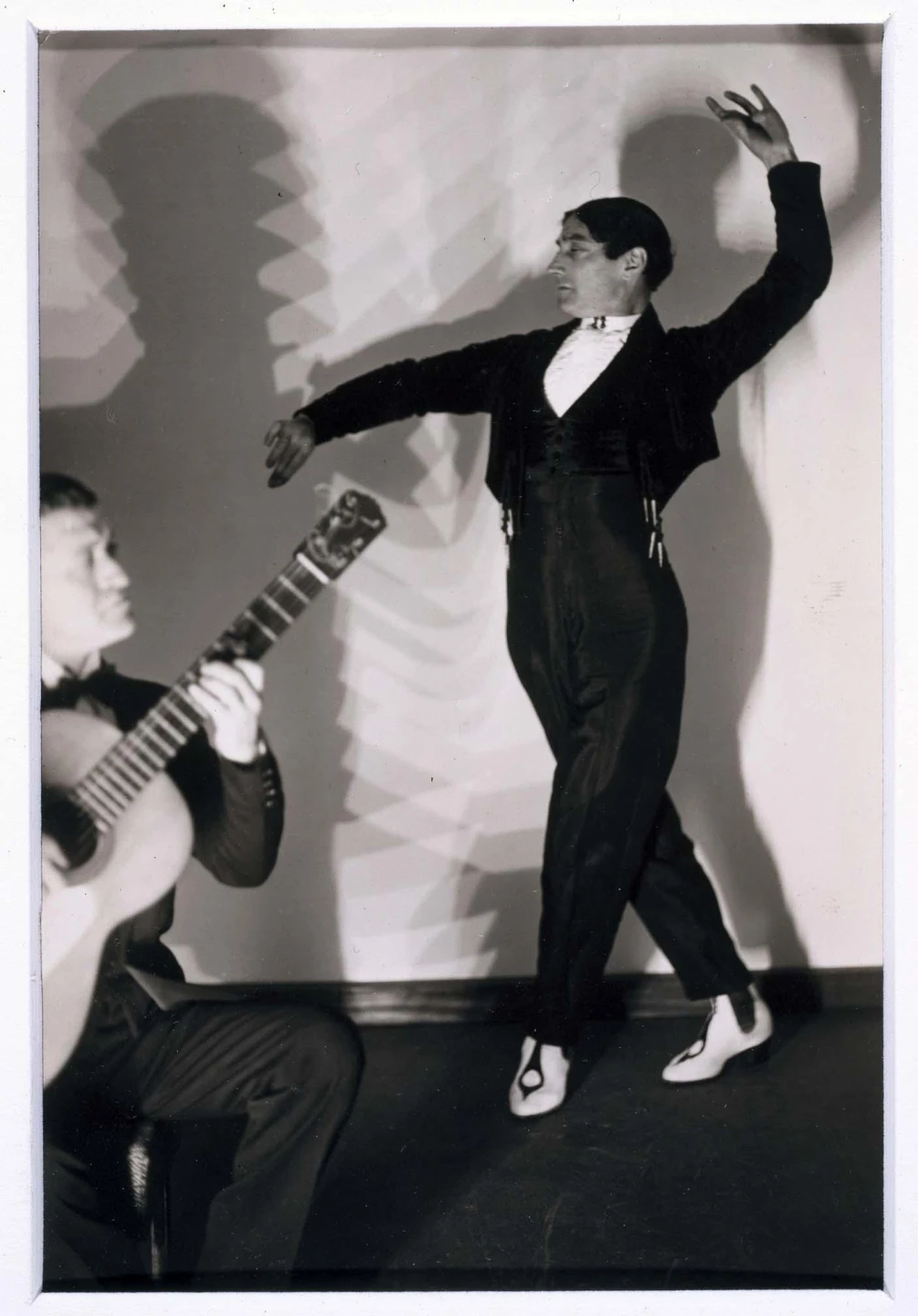
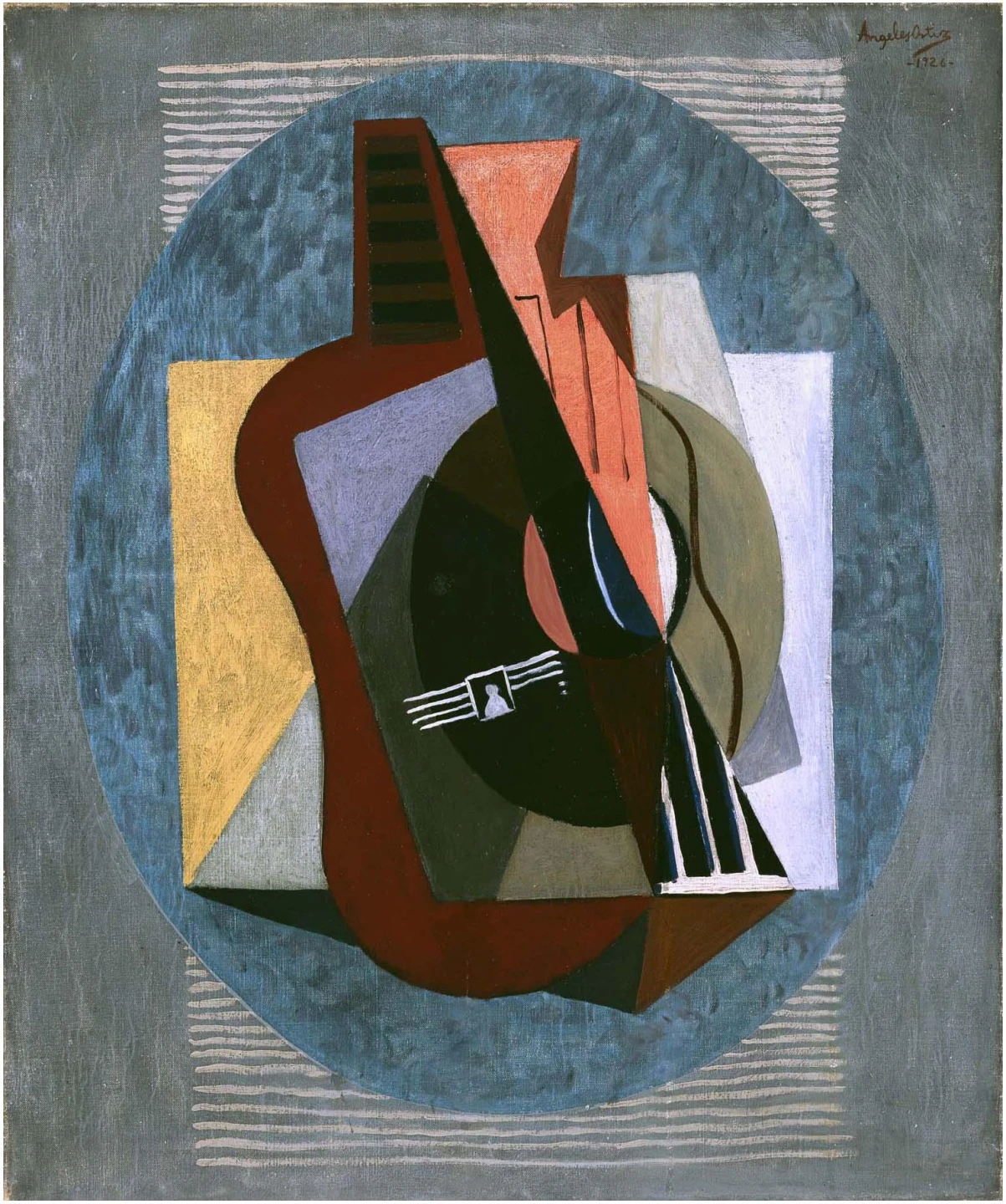
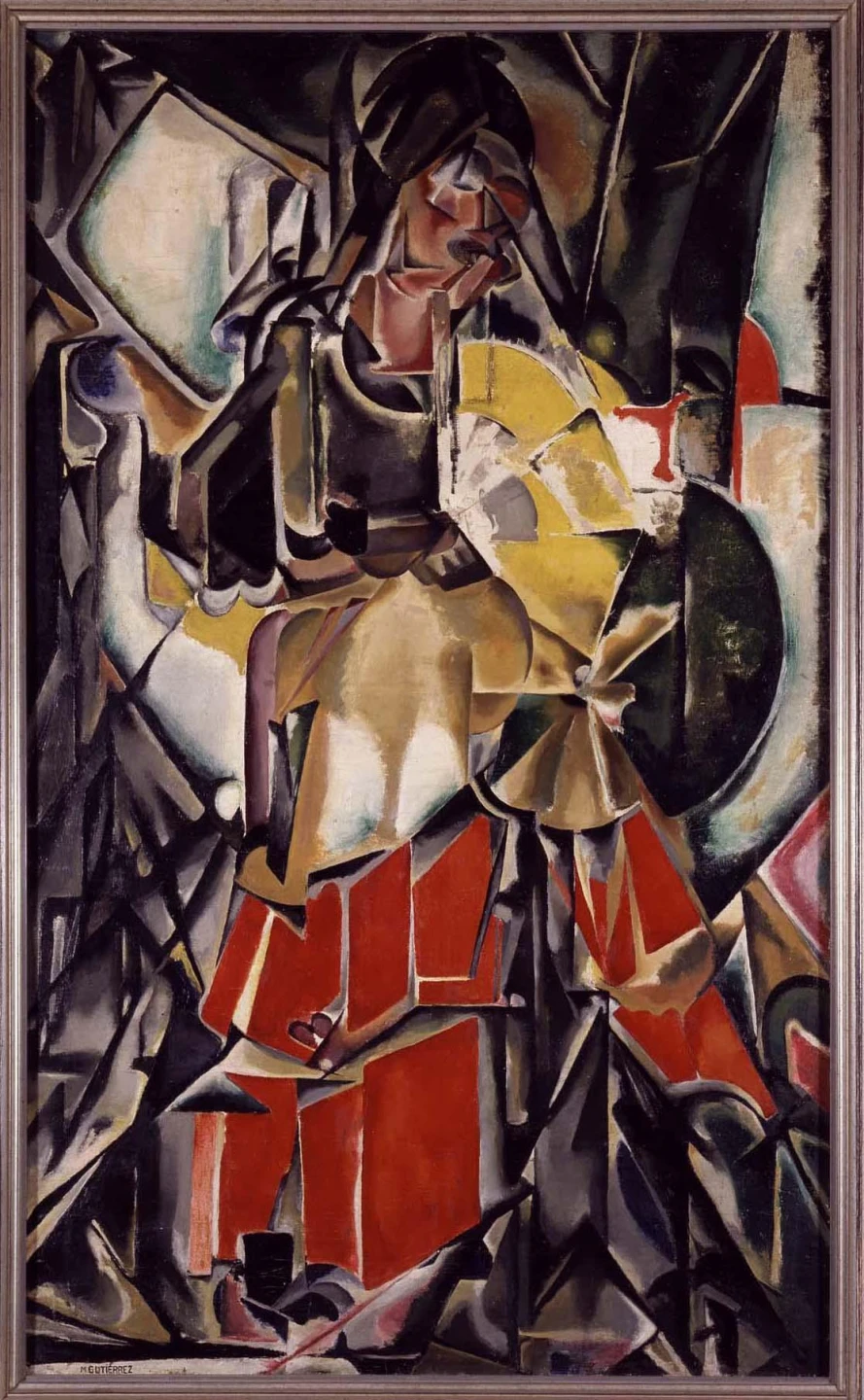
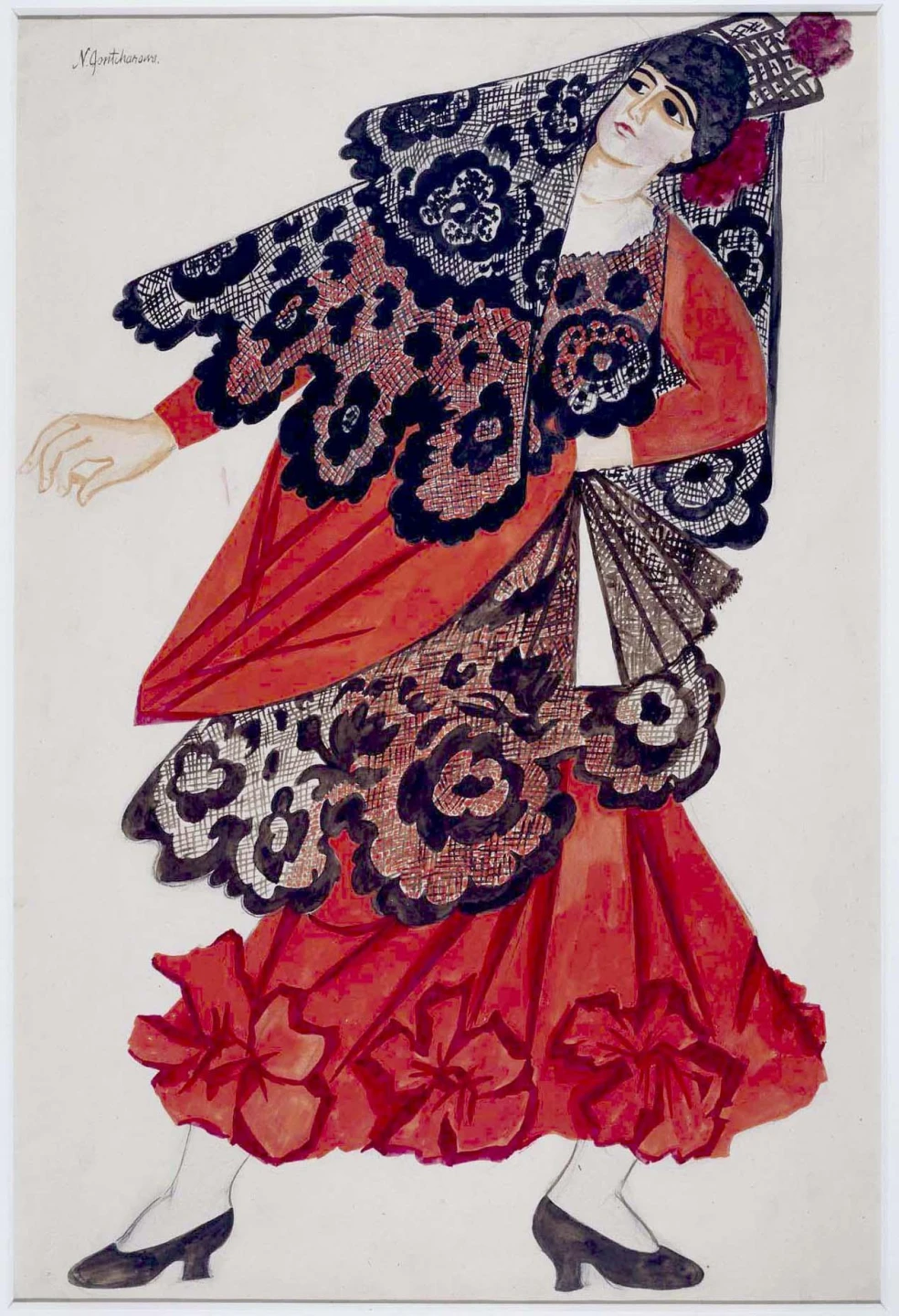
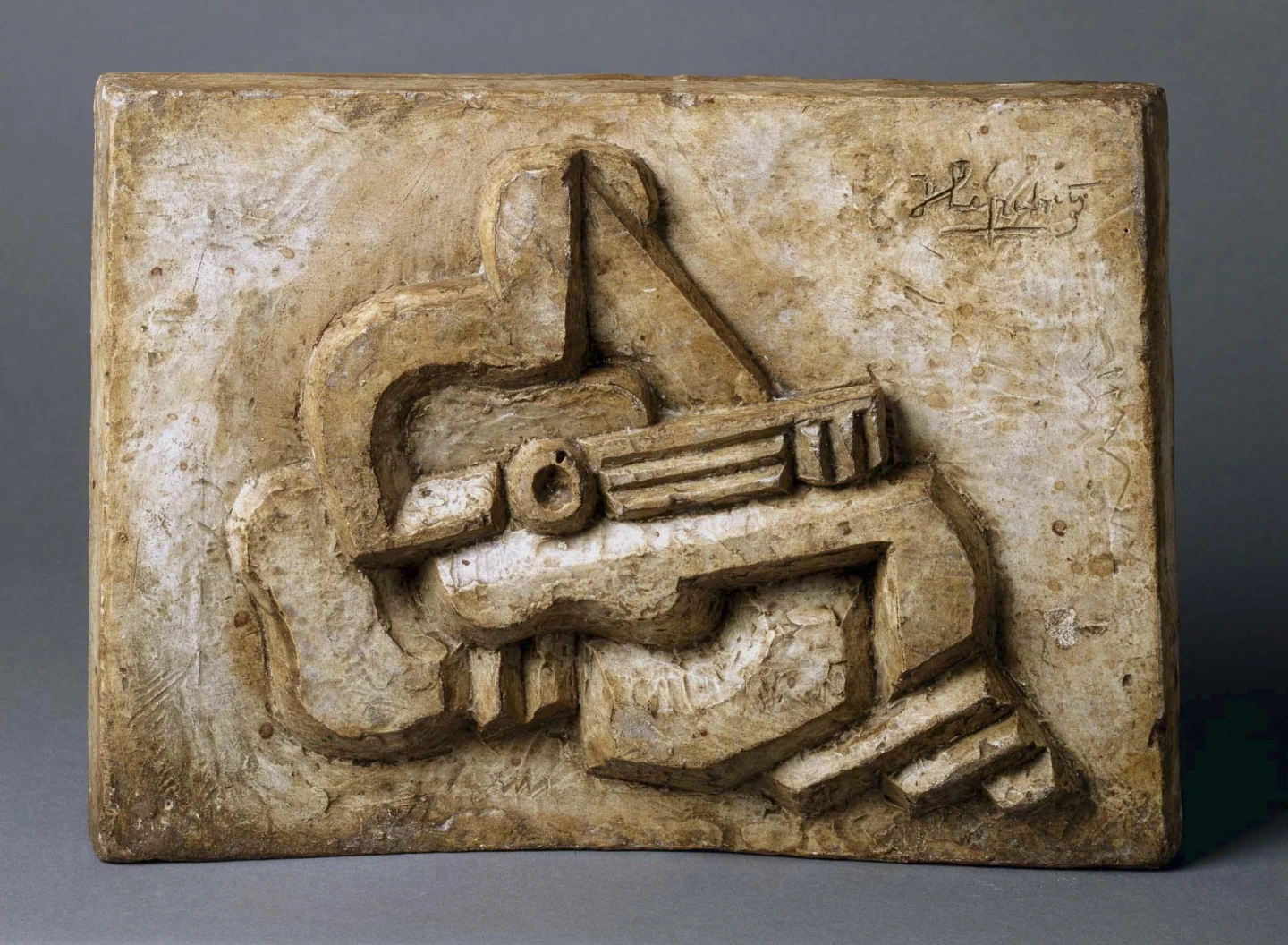
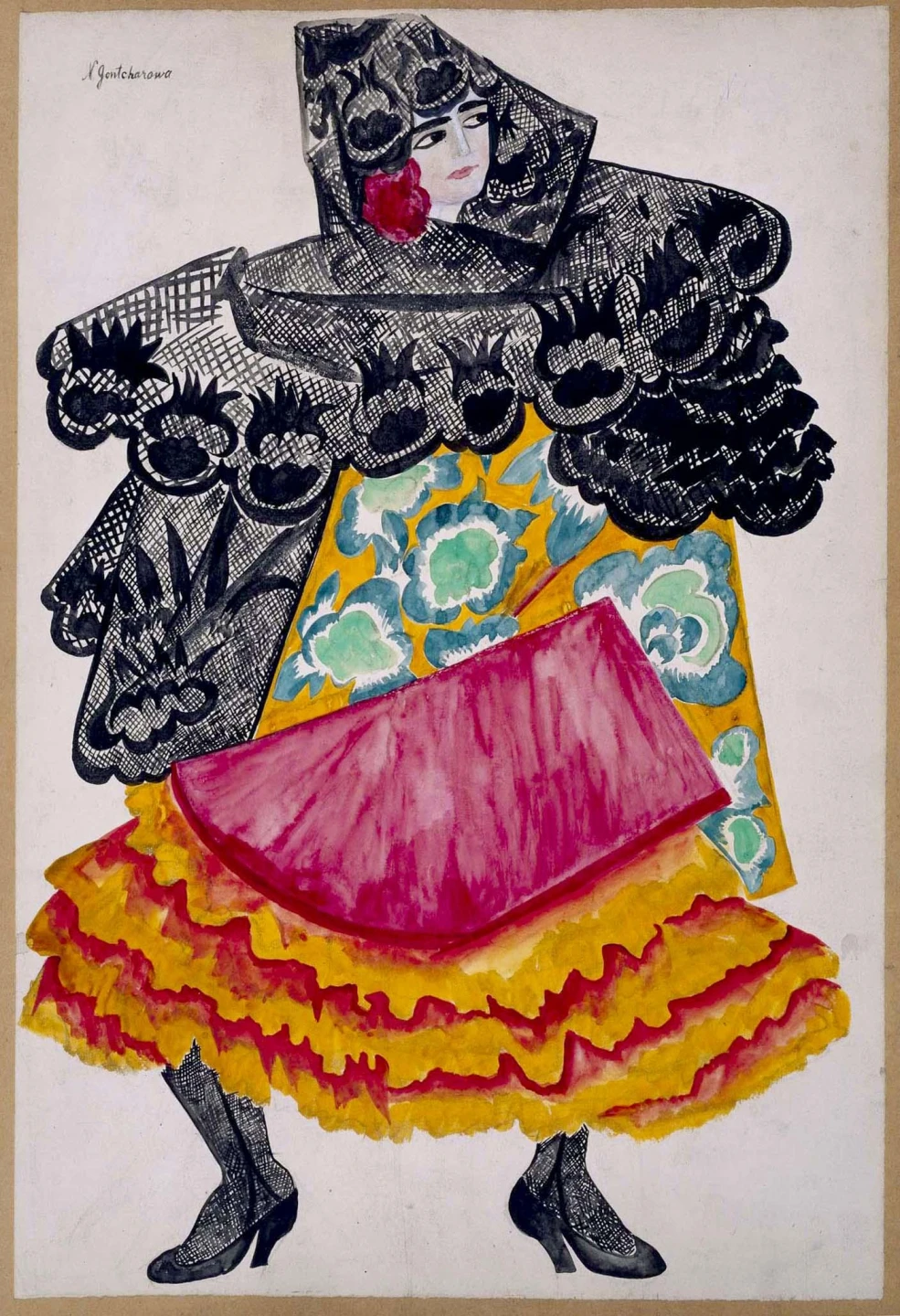
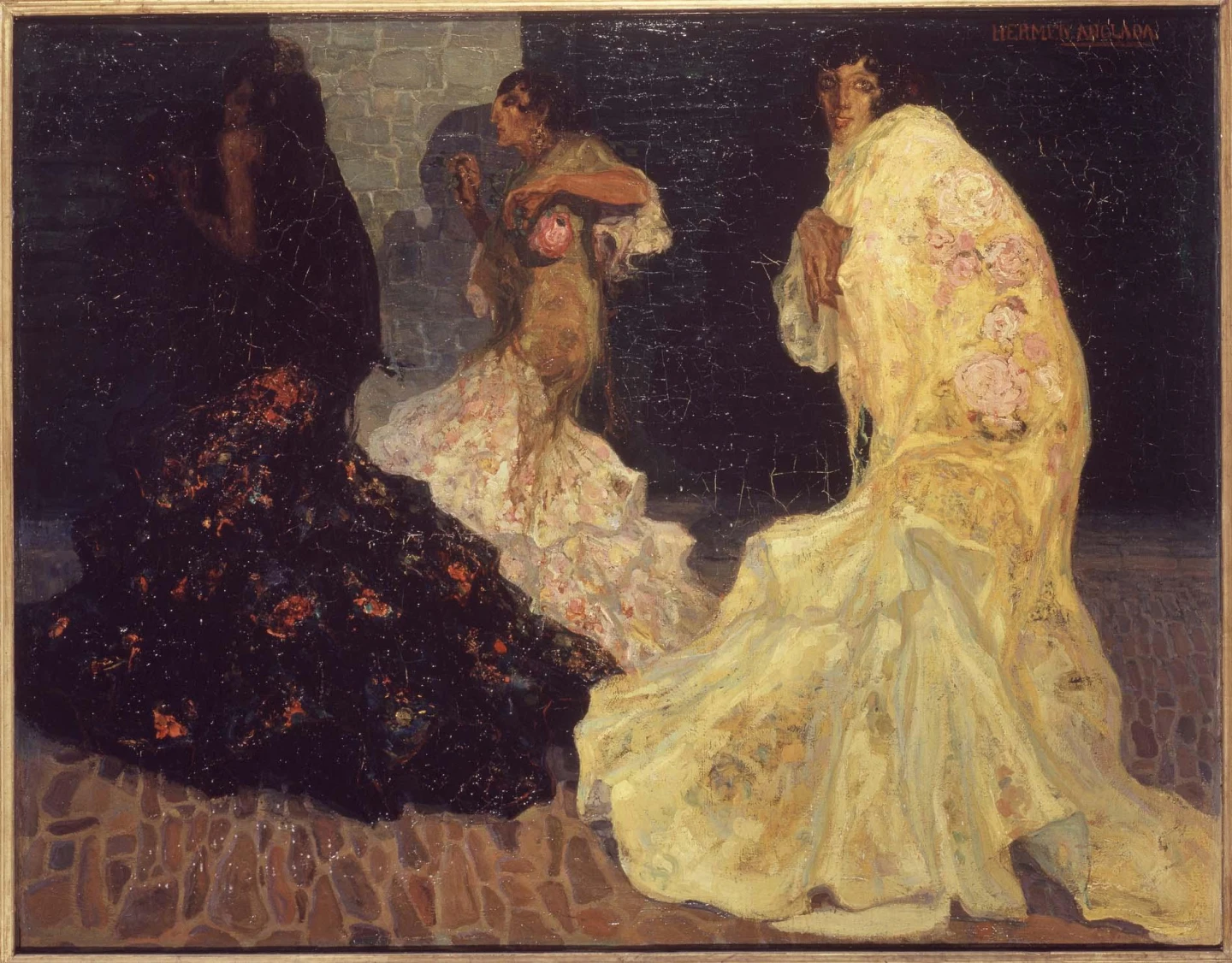
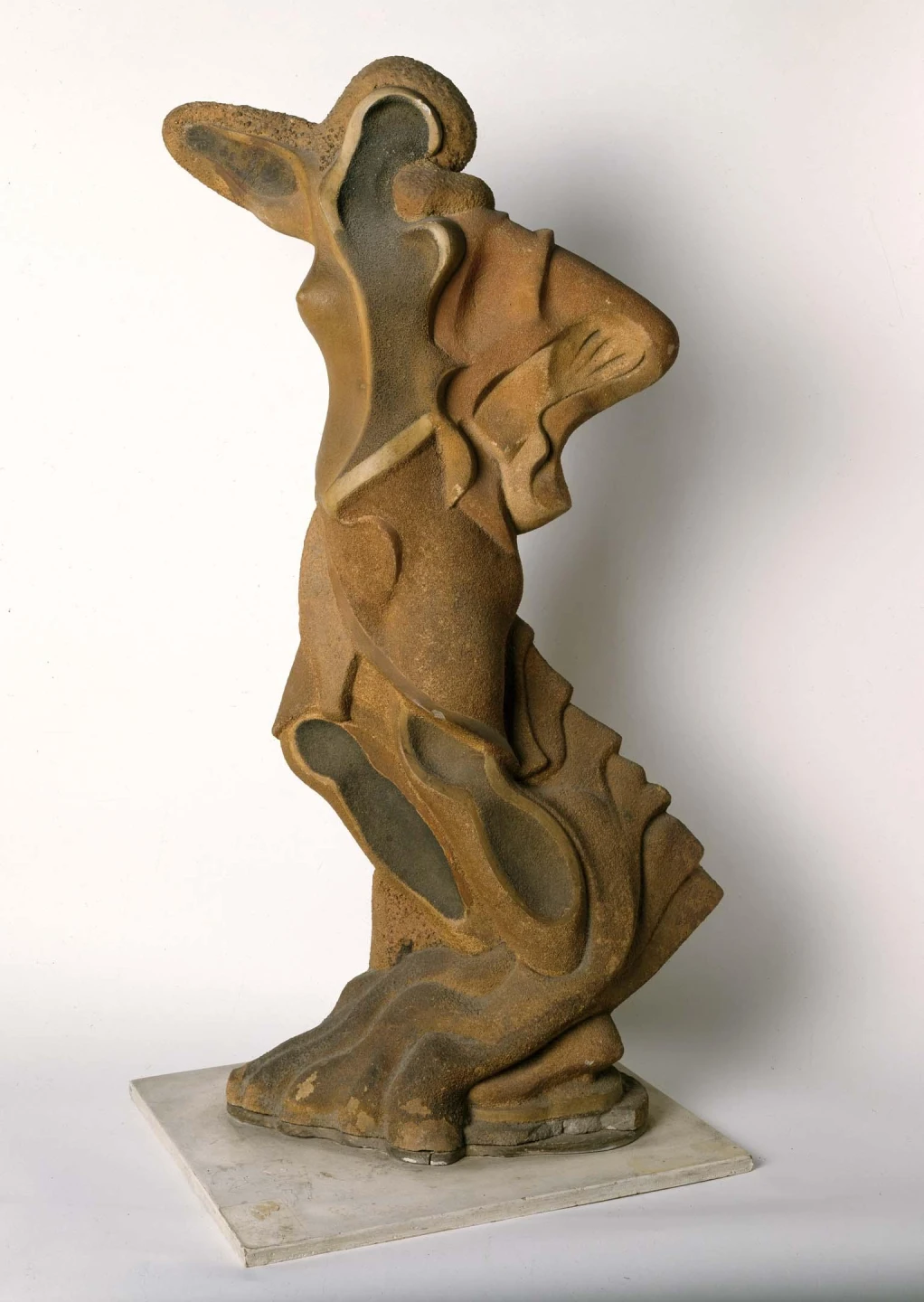
This room takes its name from the same-titled exhibition the Museo Reina Sofía held in 2007, constituting a first-time revision of the position of flamenco within the framework of the visual culture of avant-garde art. In the first half of the nineteenth century, Romantic imagery had cemented some of the longest lasting stereotypes of Spanishness, for instance traditional songs and dances, Holy Week and bullfighting. Flamenco, which by the end of that same century had taken on a paradigmatic status within popular culture, became a key reference point for avant-garde movements from their inception. One of these elements is the allusion to the Spanish guitar and its habitual appearance in cafés and in the artists’ studios as an element denoting a bohemian lifestyle. Its aesthetic plasticity and, above all, tactile quality as a hollow object that comes to life when strummed was greatly valued by the Cubists, while the same performative quality appears in representations of dancers, in which dress, mantilla and fan, representing a kind of possession by movement, are part of the same disintegration of the three-dimensional form.
Salient in this recovery of flamenco are also phenomena such as the Ballets Russes of Sergei Diaghilev, who incorporated ballets into his repertoire with a Spanish theme after spending time in the country once the First World War had reached its end. In Spain, dance figures such as La Argentina and Vicente Escudero, the music of Manuel de Falla and Enrique Granados, the neo-popular poetry of authors such as Federico García Lorca and José Moreno Villa and the 1922 Concurso de Cante Jondo de Granada (Granada’s Contest of the Deep Song) were all pivotal in this appreciation by virtue of their close ties to avant-garde creators.
18 artworks



Room 205.10
Guernica
Room 205.12
Alberto: The Pilgrimage of Cuckolds, 1933