Room 205.12
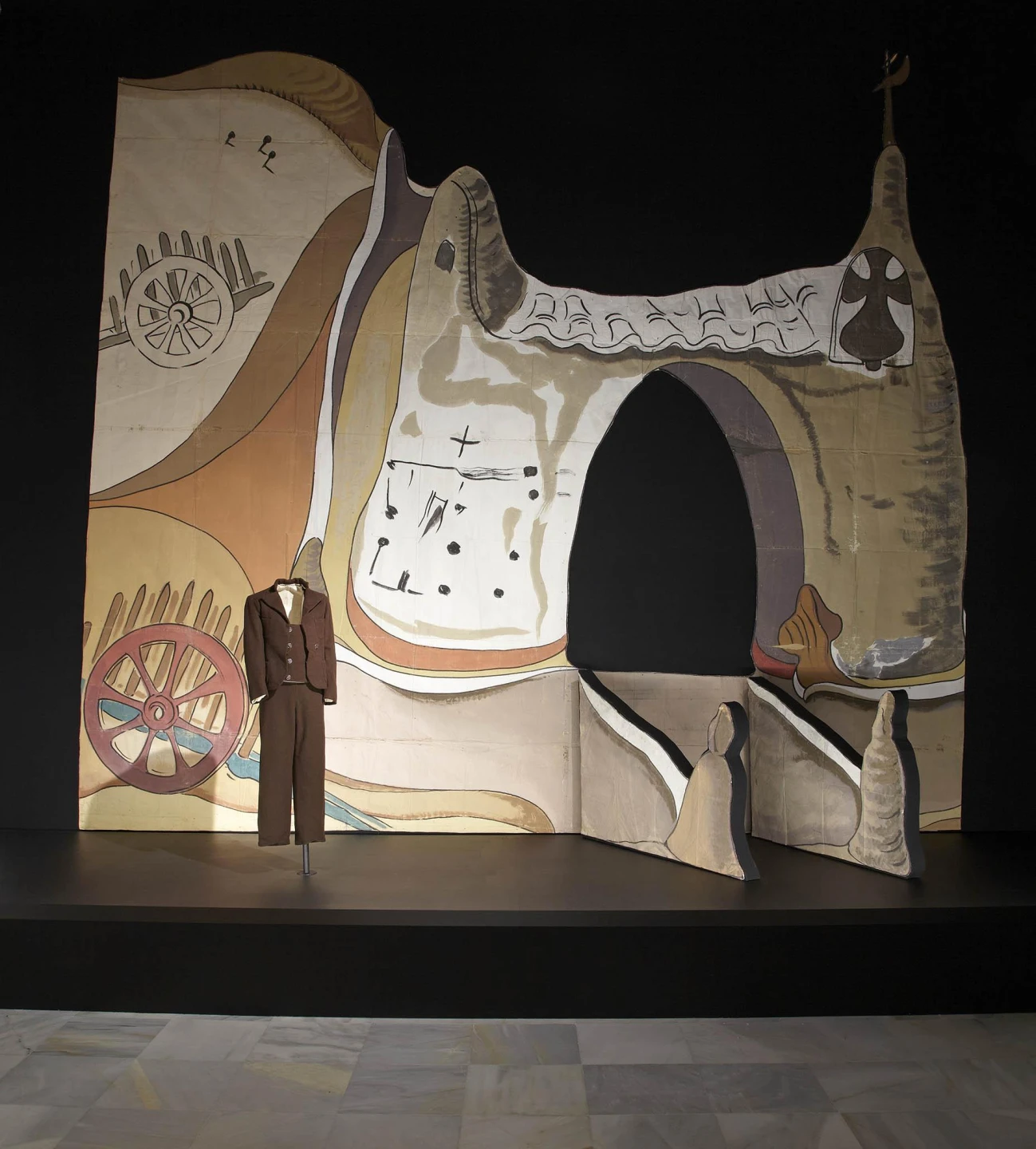
Alberto: The Pilgrimage of Cuckolds, 1933
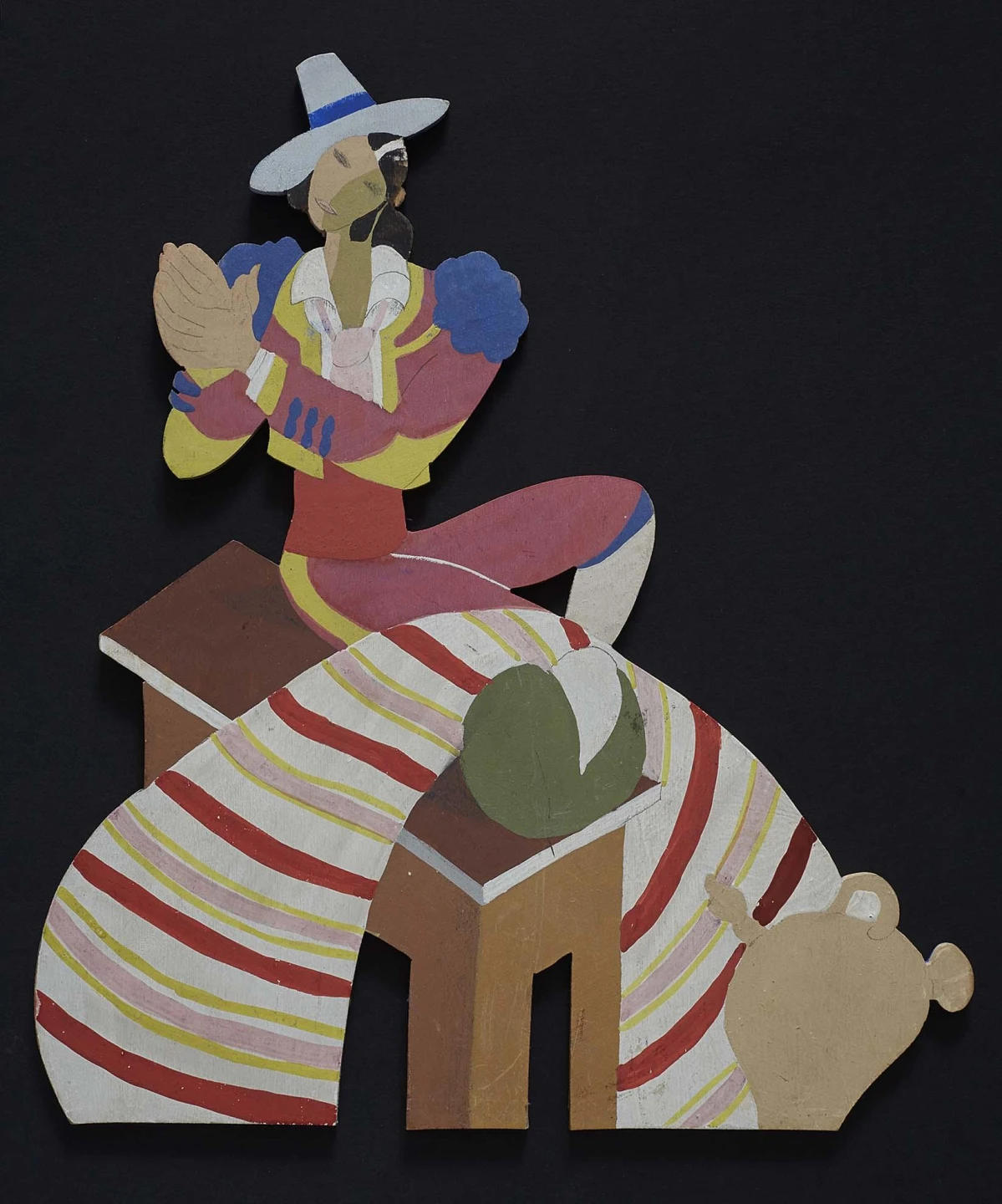
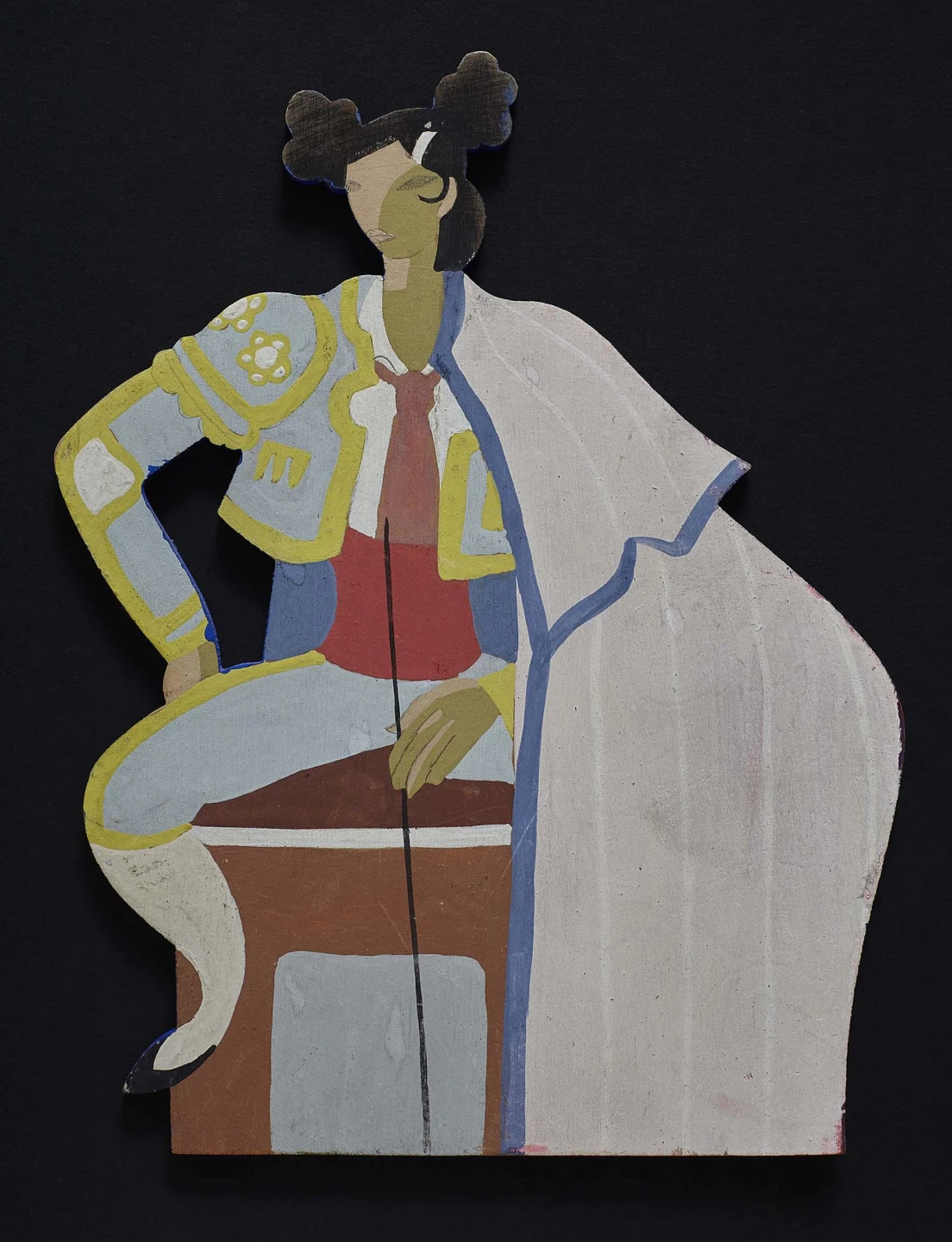
During the first third of the twentieth century in Spain, a profound interdisciplinary collaboration materialised between artists and creators from other artistic fields, for instance literature, theatre and dance — the golden age in the last of the three mentioned arriving in the 1920s and 1930s. The major success of the premiere of Manuel de Falla’s ballet El sombrero de tres picos (The Three-Cornered Hat) by the Ballets Russes company in London in 1919 sparked an interest in recovering and honouring Spanish dance but from avant-garde standpoints. This process of renewal primarily rested on the work of two women:
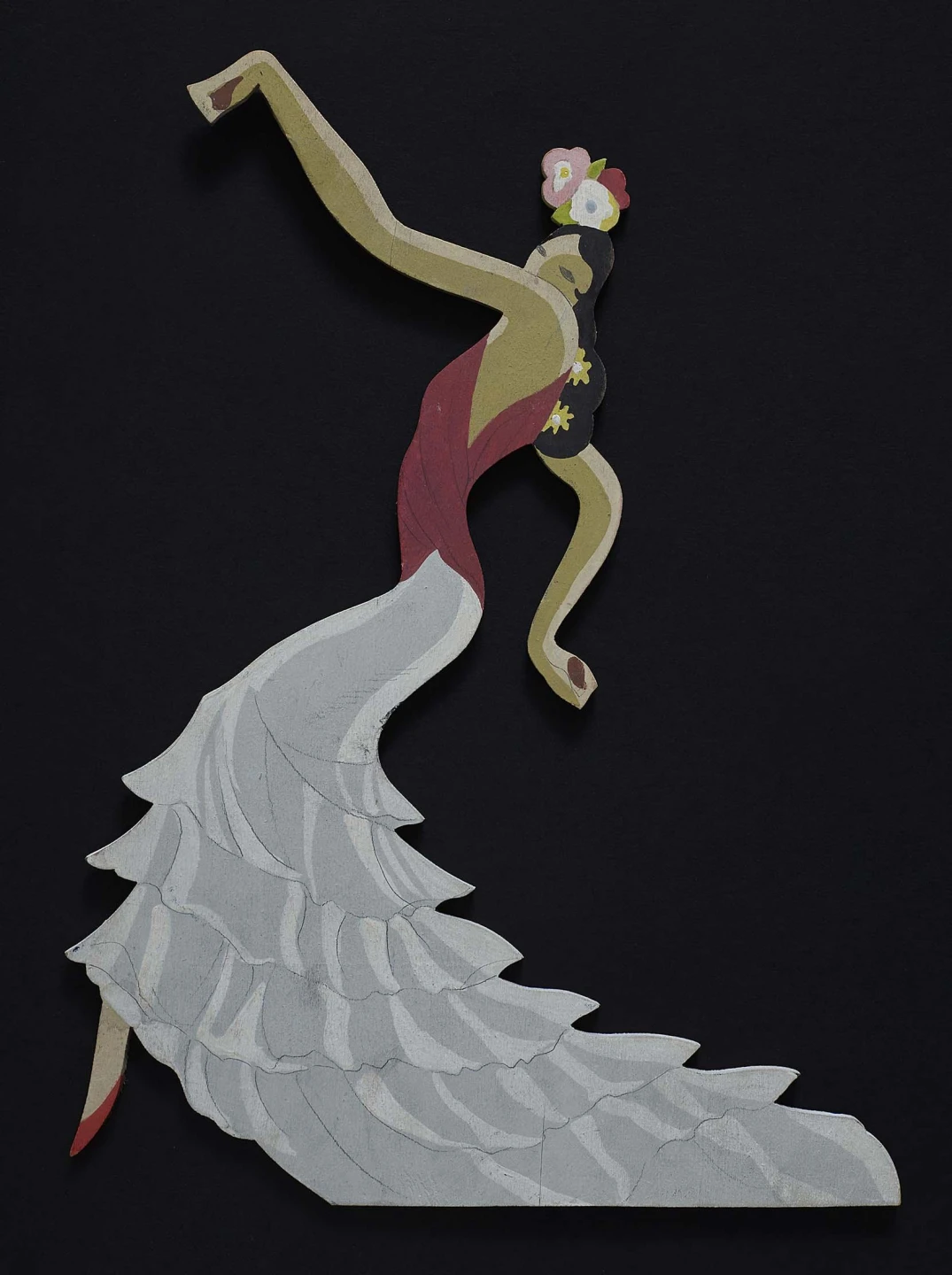
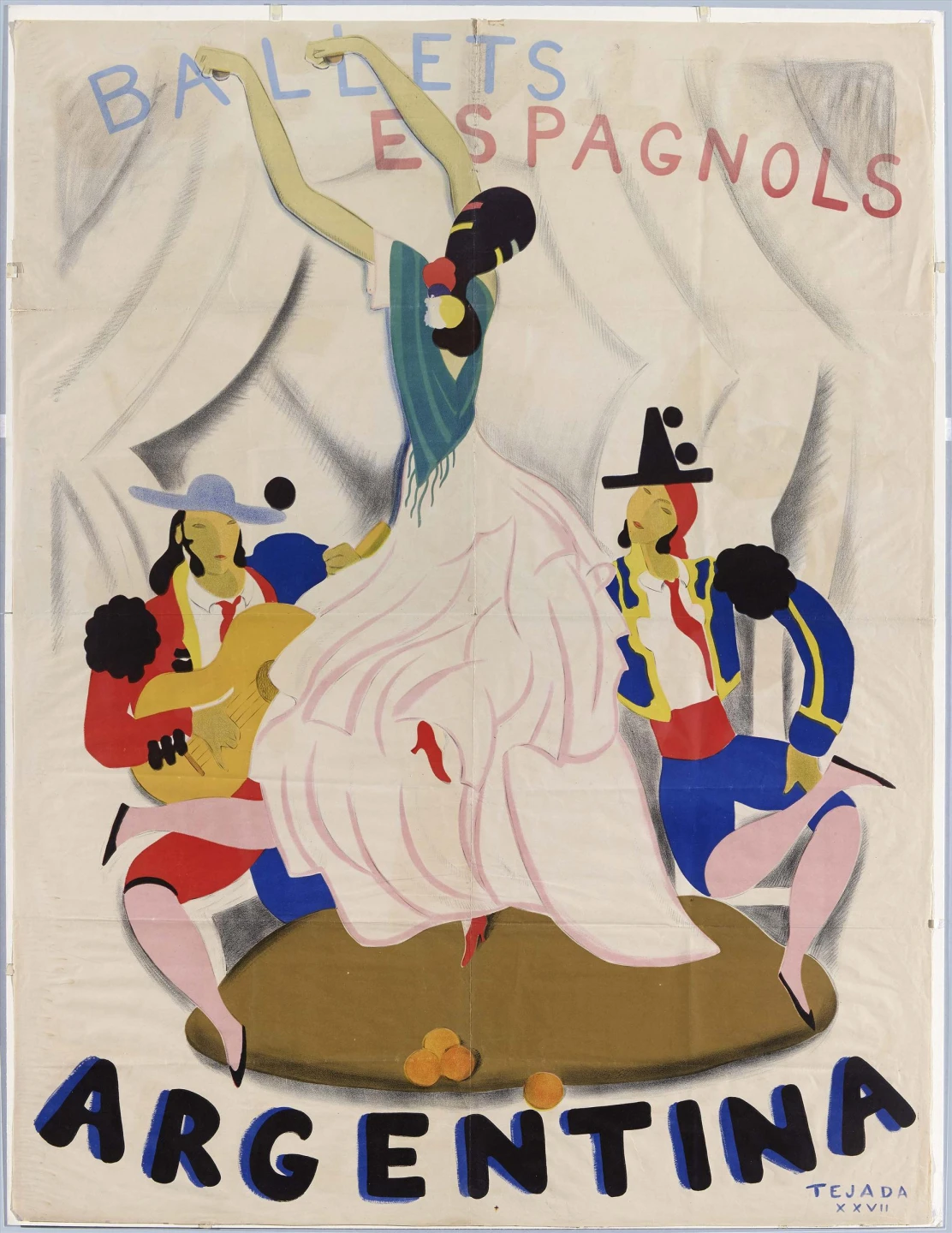
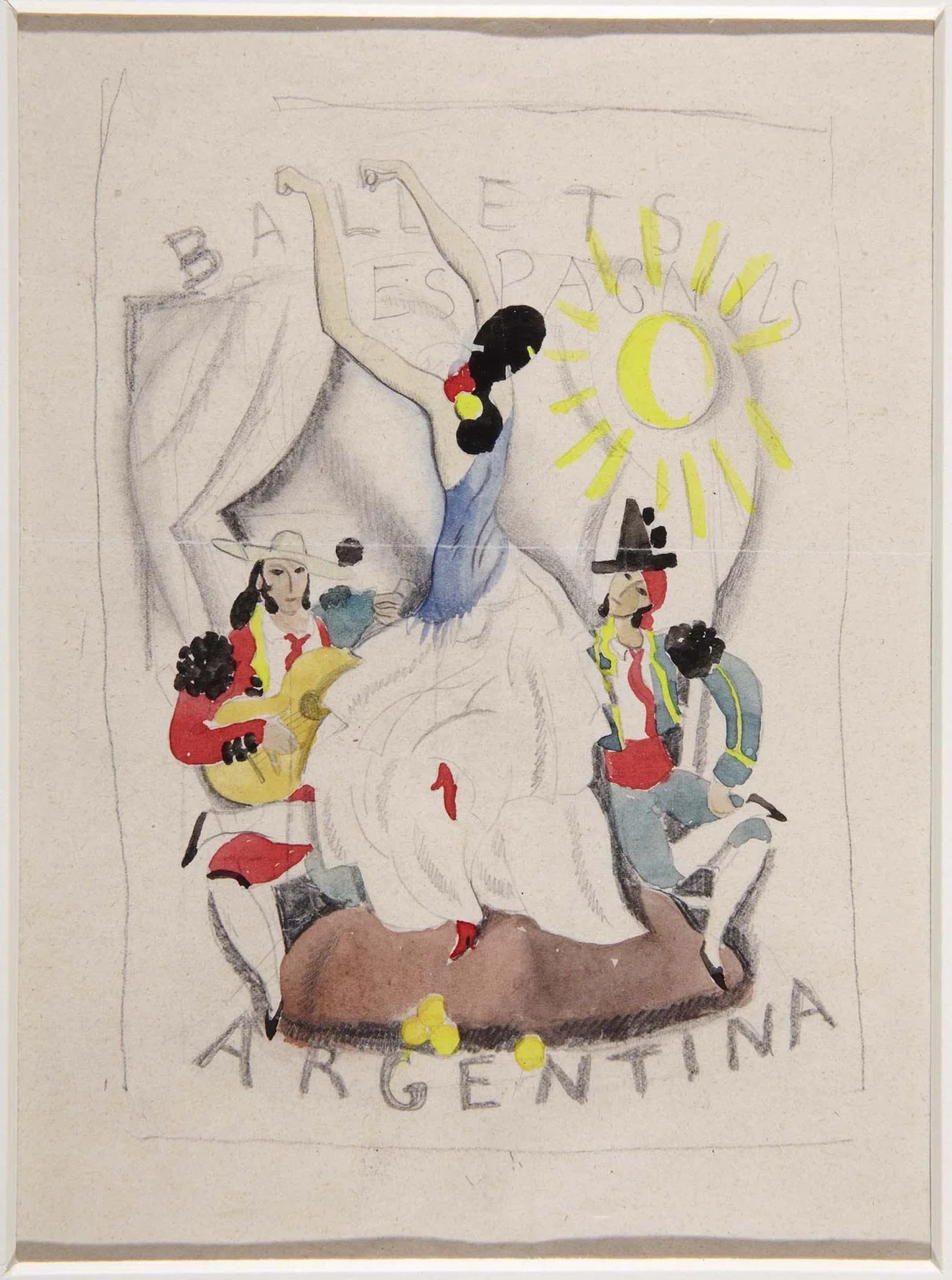
Antonia Mercé, La Argentina, who championed a synthesis of different forms of Spanish dance in a more refined and universal model. Manuel de Falla would arrange a rendition of Amor brujo (Bewitched Love) with a symphonic orchestra for her, with the work premiering, triumphantly, in Paris in 1925. Two years later, she founded her own dance company, Ballets Espagnols, taking her all over the world.
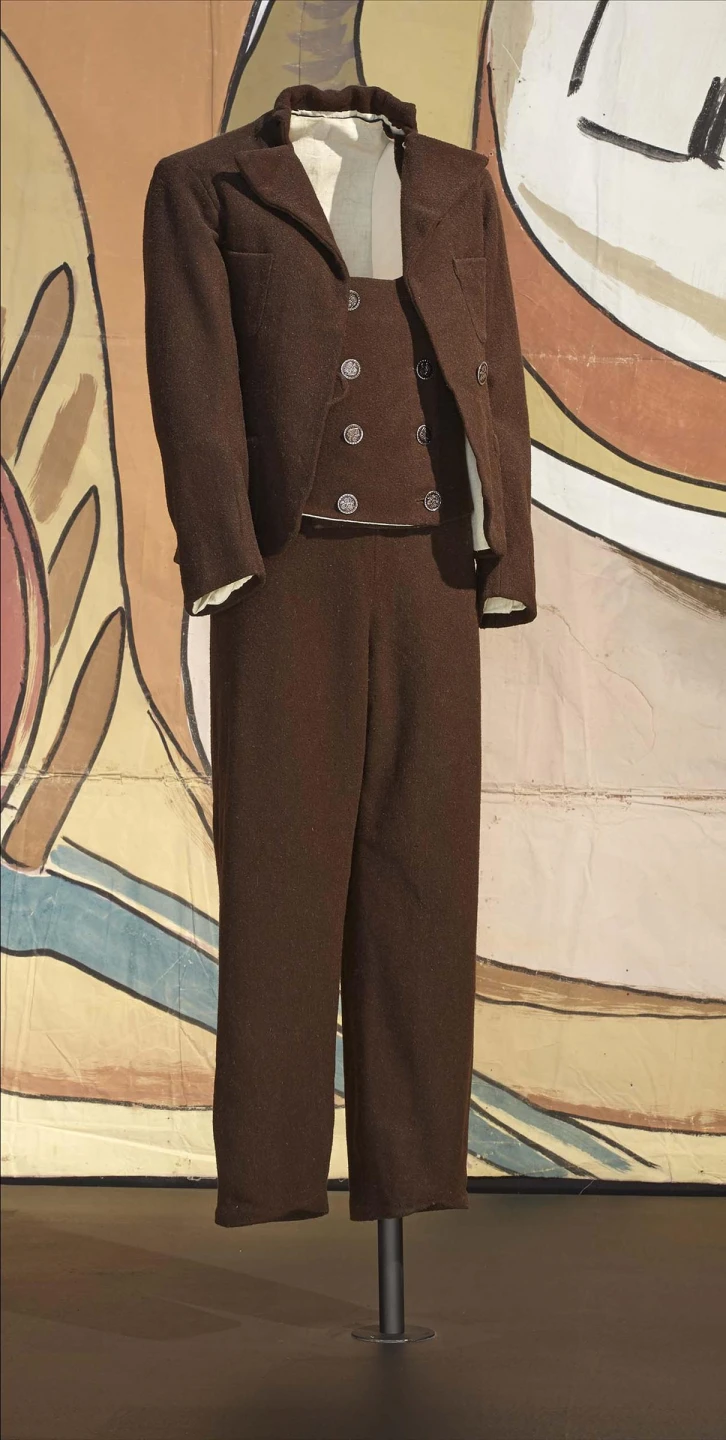
Encarnación López Júlvez, La Argentinita, took a more purist approach to traditional dance. She recovered popular dances and songs from throughout Spain, incorporating them into her shows and combining them with more contemporary productions by musicians such as Manuel de Falla, Ernesto and Rodolfo Halffter and Gustavo Pittaluga. Her biggest project would arrive in 1933 with the founding of the Gran Compañía de Bailes Españoles (The Big Company of Spanish Dances). In its unveiling in Madrid, she premiered the ballet La romería de los cornudos (The Pilgrimage of the Cuckolds), with music composed by Gustavo Pittaluga and a libretto by Cipriano Rivas Cherif, and based on Federico García Lorca’s Romance de Fuente Viva (Romance of the Living Fountain). It featured sets and costumes designed by Alberto Sánchez, who conceived the stage as an arid, oneiric landscape of Castilian inspiration, inhabited by skeletal and sinuous forms that chimed with the work he had been doing with Benjamín Palencia at the so-called School of Vallecas, which aspired to overhaul art within the Spanish context in relation to the avant-garde movements that had taken root in Paris.
10 artworks





Room 205.11
The Spanish Night. Flamenco, Avant-garde and Popular Culture
Room 205.13
André Breton. The Magician of Surrealism